
How To
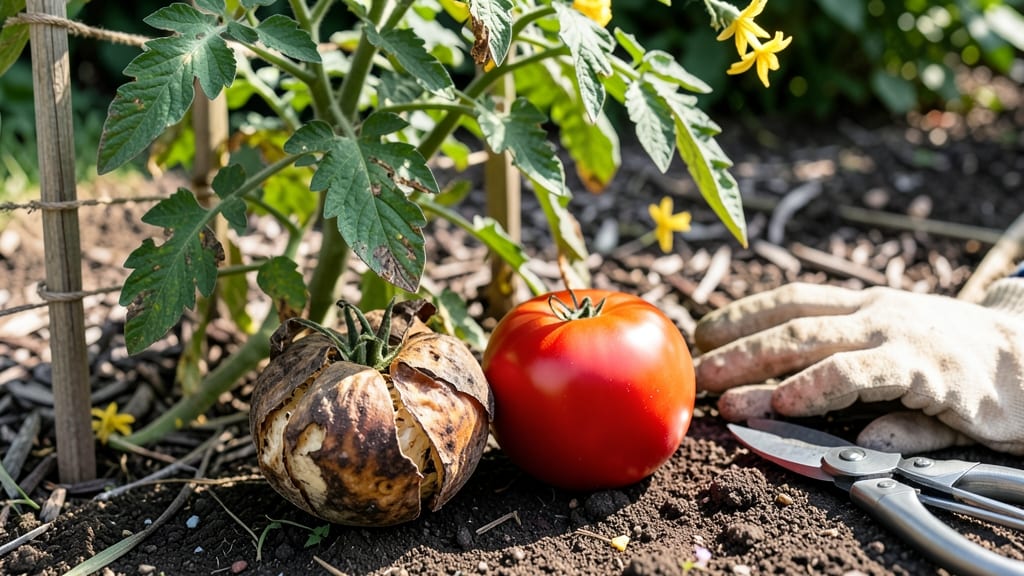
Your tomato dry rot nightmare ends here—with just three quick checks. 🌱 I’ve saved dozens of plants from this frustrating disease by catching it early, and you can too. The key is spotting the warning signs before they ruin your harvest.
Dry rot shows up as brown, leathery patches on the blossom end of tomatoes (the side that connects to the vine) or wilting leaves that won’t perk up—even after watering.
Overwatering, poor soil health, or fungal pathogens like Fusarium or Verticillium are usually to blame. The good news? You can stop it before it spreads.
Start by pruning infected leaves immediately and improving airflow around plants. Add calcium-rich amendments like crushed eggshells or lime to prevent blossom-end rot, and avoid overhead watering. For fungal wilt, resistant varieties like ‘Mountain Merit’ or ‘Defiant PhR’ are your best bet.
With these simple checks, you’ll protect your plants—and your sanity—next season. The payoff? A bountiful harvest without the stress. Let’s get your tomatoes thriving again!
Root Causes Of Tomato Spoilage
When your tomatoes develop that telltale shriveled, leathery, or mummified appearance—often with a dull, sunken look—it’s usually a sign of dry rot. But what’s really making your harvest wither? The issue often boils down to a mix of environmental stress, fungal pressure, and poor storage habits.
Let’s break down the key culprits and why they turn your juicy tomatoes into brittle husks.
Tomatoes are sensitive to temperature swings, and dry rot thrives when conditions are too hot, too cold, or too dry. Here’s how it happens:
- Extreme Heat: When tomatoes are exposed to consistent temperatures above 85°F (29°C), their moisture evaporates rapidly. The skin toughens, and internal tissues break down, creating the perfect entry point for Botrytis cinerea (the fungus behind dry rot). Sun scald—where the skin turns white or leathery—often precedes rot.
- Cold Stress: Storing tomatoes in fridge temperatures below 50°F (10°C) triggers a process called chilling injury. Cell membranes rupture, accelerating decay. Even a brief dip into cold air (like post-harvest handling) can set the stage.
- Low Humidity: Air drier than 40% humidity causes tomatoes to lose moisture faster than they can replenish it. The skin cracks, and fungal spores latch onto exposed flesh like a sponge.
💡 Pro Tip: Ideal storage conditions for tomatoes are 55–68°F (13–20°C) with 85–90% humidity. Use a ventilated crate or paper bags (not plastic) to balance airflow and moisture retention.
Dry rot is primarily caused by Botrytis cinerea, a nearly ubiquitous fungus that waits for the perfect moment to strike. Here’s how it exploits weaknesses:
- Wounded Fruit Entry: Any physical damage—from harvesting, hail, or pests—creates openings for spores. Even insect bites or harvesting bruises can trigger infection.
- Overripe Tomatoes: As tomatoes soften and sugars concentrate, their pH drops (becoming more acidic), which Botrytis loves. A single infected tomato can cross-contaminate nearby fruit within days.
- Poor Airflow: Dense storage (like stacking tomatoes in plastic bins) traps ethylene gas, a natural ripening hormone that speeds up decay. Ethylene also signals Botrytis to produce more spores.
🔥 Key Insight: Botrytis cinerea doesn’t just rot tomatoes—it feasts on dead tissue first, then spreads to healthy fruit. That’s why you might see grayish mold only on the most damaged areas at first.
Even the healthiest tomato can succumb to dry rot if mishandled. These common errors invite spoilage:
| Mistake | Why It Causes Rot |
|---|---|
| Harvesting Too Late | Overripe tomatoes lose structural integrity and are 3x more susceptible to fungal attack. Their skin also becomes easier to puncture during handling. |
| Washing Before Storage | Moisture on the skin accelerates mold growth. Always dry tomatoes thoroughly (or better yet, wipe with a dry cloth) before storing. |
| Mixing With Ethylene Producers | Storing tomatoes near apples, bananas, or avocados exposes them to excess ethylene, which triggers premature aging and softens flesh faster. |
| Storing With Moisture Sources | Keeping tomatoes near wet towels, unripe fruit, or condensation-prone surfaces creates the perfect humid microclimate for Botrytis. |
🎯 Prevention Hack: If you must store tomatoes for weeks, separate them by ripeness and place a piece of fruit paper (or unbleached coffee filters) between layers to absorb excess moisture.
Understanding these root causes is your first line of defense. The good news? Most dry rot cases are preventable with simple adjustments to temperature, humidity, and handling. Next, we’ll cover 3 quick checks to keep your harvest fresh and firm.
How to solve it
If your tomatoes are already showing signs of dry rot—leathery skin, shriveled flesh, or dark, sunken patches—don’t toss them just yet! The good news is that you can often salvage some of the harvest or prevent further spread with a few targeted steps.
Below, we’ll break down the fixes based on the root cause, so you can act fast and save your crop.
🔥 1. When Overripe Tomatoes Are the Culprit
If your tomatoes are simply overripe and drying out from the vine, the damage is already done—but you can still make the most of them!
- 🍳 Harvest and Use Immediately: Pick any remaining ripe tomatoes and use them right away in sauces, salsas, or roasted dishes. Heat helps soften them, making them perfect for cooking.
- 👨🍳 Preserve What You Can: Blend overripe tomatoes into paste or sauce, then freeze or can them for later. The high acidity from ripe tomatoes makes them great for preserving.
- 🌱 Compost the Rest: If tomatoes are too shriveled for cooking, toss them into your compost pile—just avoid composting if dry rot is spreading to other plants (see below for fungal concerns).
🍄 2. Fungal Infection? Act Fast to Stop the Spread
If dry rot is caused by Fusarium or another fungal pathogen, you’ll need to take aggressive action to protect your remaining plants and soil.
- 🔪 Remove Infected Plants: Dig up and compost off-site (or trash) any tomatoes showing dry rot symptoms. Fungal spores can linger in soil, so don’t add infected plant material to your garden compost.
- 🌡️ Sterilize Tools and Hands: Clean pruners, gloves, and containers with a 10% bleach solution (1 part bleach to 9 parts water) to kill spores. Rinse thoroughly before reuse.
- 🎯 Apply Fungicide: Spray remaining tomato plants with a copper-based fungicide or a baking soda solution (1 tsp baking soda + 1 quart water + a few drops of dish soap) to prevent further infection.
- ✨ Adjust Watering Practices: Water at the base of plants in the morning to keep foliage dry, and avoid overhead sprinkling, which spreads spores.
💡 3. Environmental Stress? Adjust Care for Recovery
If dry rot stems from heat stress, drought, or poor air circulation, your tomatoes might still recover with some TLC.
- 💧 Hydrate Deeply and Consistently: Water tomatoes at the soil level (1–2 inches deep) every 2–3 days, especially during heatwaves. Use drip irrigation to avoid wetting leaves.
- 🌿 Provide Shade Cloth: If temperatures exceed 90°F (32°C), drape shade cloth (30–50% coverage) over plants to reduce stress. Remove it in cooler hours for airflow.
- 🌬️ Improve Airflow: Prune lower leaves and suckers to enhance circulation. Space plants 18–24 inches apart if overcrowding is an issue.
- 🍅 Mulch to Retain Moisture: Apply 2–3 inches of straw or wood chips around the base of plants to lock in moisture and regulate soil temperature.
🛡️ Prevention Tips for Next Season
The best way to “fix” dry rot is to stop it before it starts! Use these proactive strategies to protect your future harvests:
- 🌱 Rotate Crops: Avoid planting tomatoes (or other nightshades like peppers/eggplants) in the same spot for at least 3 years to break fungal cycles.
- 🌱 Choose Resistant Varieties: Opt for tomato breeds like ‘Mountain Merit’ or ‘Defiant PhR’ that tolerate heat and disease.
- 🌱 Test Soil Health: Conduct a soil test to check pH (aim for 6.0–6.8) and amend with compost or organic matter to boost plant resilience.
- 🌱 Monitor Early: Inspect plants weekly for wilting, discoloration, or fungal spots. Catch issues early for easier treatment!
Frequently asked questions
What’s the difference between tomato dry rot and blossom-end rot?
Dry rot appears as shriveled, leathery patches with gray mold, while blossom-end rot shows up as dark, sunken spots on the fruit’s blossom end from calcium deficiency. Dry rot is usually fungal (like Botrytis), while blossom-end rot is a physiological disorder caused by uneven watering or poor soil calcium.
Can I save tomatoes already showing dry rot symptoms?
Only if the rot is superficial! Cut out the affected areas with a sterilized knife, then use those tomatoes immediately for cooking (like sauces or soups). For severe cases, compost the fruit off-site—don’t add it to your garden compost, as fungal spores can survive.
Why does dry rot spread faster in humid weather?
High humidity creates the perfect environment for Botrytis cinerea spores to germinate and spread. The fungus thrives in 80%+ humidity and damp conditions, which is why dry rot often appears after rain or during morning dew. Improve airflow around plants to reduce risk.
Are heirloom tomatoes more prone to dry rot?
Yes! Heirloom varieties often have thinner skins and less disease resistance than hybrids like ‘Mountain Merit’. To protect them, use shade cloth in heatwaves, avoid overhead watering, and harvest promptly when ripe.
How long does it take for dry rot to develop after infection?
Visible symptoms usually appear within 3–7 days under ideal fungal conditions (warm, humid weather). Early signs include dull, leathery skin or small grayish spots. Act fast by removing infected fruit and treating remaining plants with fungicide.