
Vegetables
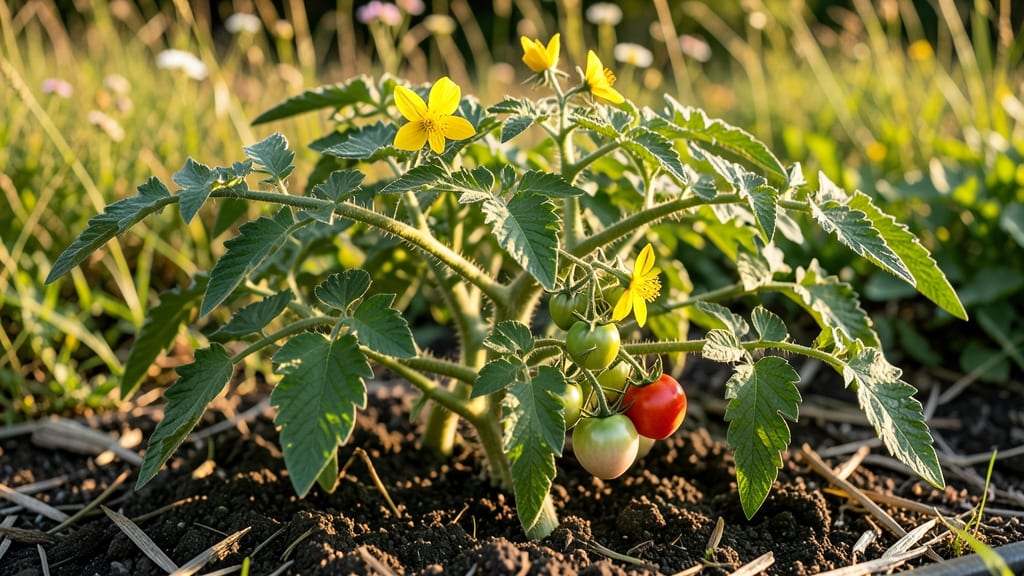
The moment a tomato flower opens is when the real magic begins. 🌱 From that first bloom to a ripe, sun-warmed fruit, there are five distinct stages—each with its own needs and potential pitfalls.
I’ve watched my own plants go from hopeful blossoms to full harvests, and I’ll show you exactly what to expect at each step so nothing gets left to chance.
First comes the flower itself, which only has 24-48 hours to be pollinated before it drops. Then comes the tiny fruit set—often missed because it’s so small—followed by rapid cell division that turns it from a marble-sized bump into something you can actually hold.
Temperature and humidity play huge roles here, especially in greenhouses or hot climates where blossoms can drop without proper care.
By the time you’re seeing quarter-sized tomatoes, you’re in the growth phase where size matters most. This is when consistent watering and sunlight become non-negotiable—skimp here, and your fruit will split or stay small.
The final stage is ripening, where color deepens and sugars concentrate, giving you that perfect first bite of homegrown flavor.
Whether you’re dealing with blossom end rot, uneven ripening, or just waiting for your first fruit to form, this timeline will help you troubleshoot and celebrate every step. Let’s break it down so you can go from flower to harvest with confidence.
📚 In This Guide
- What you need
- Instructions
- Tips and common mistakes
- Wrapping up and next steps
What you need
- ● Tomato plants (determinate or indeterminate, disease-resistant varieties like Celebrity or Sungold)
- ● Well-draining potting mix (or garden soil amended with compost, pH 6.0–6.8)
- ● Containers or garden beds (minimum 12-inch depth for pots, 18–24 inches apart in rows)
- ● Balanced fertilizer (10-10-10 or organic options like compost tea or worm castings)
- ● Handheld spray bottle (for watering flowers)
- ● Pruning shears or scissors (sterilized with rubbing alcohol)
- ● Support structures (cages, stakes, or trellises for indeterminate varieties)
- ● Mulch (straw, grass clippings, or shredded leaves to retain moisture)
- ● Grow lights or LED bulbs (for indoor setups or early blooms)
- ● Pollination aid (small paintbrush or bee-friendly garden)
- ● pH test kit (to monitor soil acidity)
- ● Drip irrigation system (for consistent moisture)
- ● Insect netting (to protect flowers from pests like hornworms)
How to track tomato flower to fruit development
Here's how I monitor each stage—from first bloom to ripe tomato—so you can troubleshoot and support your plants at the right moment.
🌸 Step 1: Identify Healthy Flower Clusters
Look for small yellow blossoms forming in clusters at the leaf junctions. These are your future fruits, so examine them closely for signs of stress—drooping petals or brown edges mean your plant needs more water or calcium. I always check for white pollen on the anthers; without it, flowers won't pollinate.
Remove any flowers that appear smaller than a dime or have deformed shapes—these often won't develop properly. Healthy flowers should open fully by mid-morning, revealing their reproductive parts. This is your cue to start monitoring daily for fruit set.
☀️ Step 2: Support Pollination for Fruit Set
Tomatoes need movement to pollinate—either wind, bees, or gentle human help. On still days, I use a small paintbrush to transfer pollen between flowers. Focus on morning hours when flowers are open and dew provides natural moisture. Avoid touching wet petals after rain, as they're fragile.
Watch for tiny green swellings at the base of the flower within 3-5 days—this confirms successful pollination. If flowers drop without swelling, your plants may need more sunlight (6+ hours daily) or better air circulation. I often see this in crowded plants or shaded spots.
🍅 Step 3: Monitor Fruit Growth Through Key Stages
New fruits start as pea-sized bumps—track their growth weekly. At this stage, they're most vulnerable to cracking if watered inconsistently. I water deeply at the base every 2-3 days when the top inch of soil feels dry, avoiding overhead watering.
By 2 weeks, fruits should reach 1-2 inches—now's the time to watch for color changes. Green tomatoes need full sun exposure—move plants if nearby structures cast shadows. Yellowing leaves at this stage often signals overwatering or nutrient deficiency—I always check soil moisture before reacting.
🌿 Step 4: Assess Ripening and Harvest Readiness
Ripening begins when fruits change from solid green to pinkish-yellow—this happens fastest in 70-85°F temperatures. I mark the calendar 21 days after pollination—this is when most varieties reach maturity. For heirlooms, I wait until full color development—some stay green until fully ripe!
Gently squeeze the tomato—it should yield slightly like a ripe avocado. If it feels hard, it needs more time; if too soft, it may have overripe. Harvest in the morning when sugars are highest. Watch for cracked skins—this happens when plants get too much water after dry spells or uneven soil moisture.
⏰ Step 5: Extend the Season With Strategic Care
If your growing season ends before tomatoes ripen, cover plants with frost blankets at 50°F—this buys 2-3 weeks of protection. I always remove suckers (side shoots) to direct energy to existing fruit. For greenhouse growers, maintain 65-75°F nights—cooler temps slow ripening dramatically.
Keep harvesting until the first frost—even green tomatoes can ripen indoors. Place them in a paper bag with a banana—ethylene gas from the banana speeds up ripening. I've successfully ripened tomatoes this way even when outdoor temps drop to 32°F**.
Tips & tricks for tracking tomato flower to fruit development
These practical insights will help you maximize your tomato harvest by understanding the subtle cues at each growth stage.
Flower Health Check: In Step 1, when examining those small yellow blossoms, pay special attention to the stamens—they should be fully extended with visible white pollen. I've seen many gardeners overlook this detail, but those pollen-covered anthers are your first sign of potential fruit set. If you notice flowers opening late in the day, they're less likely to pollinate successfully, so focus your efforts on morning blooms.
Pollination Timing: The 3-5 day window mentioned in Step 2 is critical for confirming fruit set. I recommend checking for those tiny green swellings in the late afternoon when flowers are most likely to have completed pollination. If your garden experiences frequent rain, consider using a small paintbrush to manually transfer pollen between flowers during dry spells—this simple action can double your fruit production.
Growth Stage Visual Cues: By the 2-week mark in Step 3, healthy tomatoes should show visible veins on their skin—this is a good sign they're developing properly. If you notice fruits staying smaller than 1-2 inches after this time, it could indicate nutrient deficiencies. I've found that adding a balanced fertilizer with higher phosphorus content (the middle number on the label) at this stage gives my plants the boost they need for proper fruit development.
Temperature Management: The 70-85°F range mentioned in Step 4 is ideal, but don't be discouraged if your tomatoes ripen more slowly in cooler climates. I've successfully grown tomatoes in zones with nighttime lows of 60°F by using black plastic mulch to absorb and radiate heat during the day. For greenhouse growers, maintaining those 65-75°F nighttime temperatures is crucial—any colder and ripening can stall completely.
Pro Tips for Tomato Flower To Fruit Stages
- These practical insights will help you maximize your tomato harvest by understanding the subtle cues at each growth stage.
- Flower Health Check: In Step 1, when examining those small yellow blossoms, pay special attention to the stamens—they should be fully extended with visible white pollen.
- Pollination Timing: The 3-5 day window mentioned in Step 2 is critical for confirming fruit set.
Frequently asked questions
Got questions about transforming those tiny tomato flowers into juicy, vine-ripened fruits? You’re not alone! Here are some of the most common queries gardeners ask—plus quick, actionable answers to keep your plants thriving.
How long does it take for a tomato flower to turn into a fruit?
Most tomato varieties take 45–60 days from flower to ripe fruit, depending on the cultivar (e.g., cherry tomatoes may ripen faster than heirlooms). Warmth, sunlight (6–8+ hours/day), and consistent watering speed up the process. Pro tip: Track bloom dates to predict harvest times!
Why aren’t my tomato flowers turning into fruit?
Common culprits include lack of pollination (wind/bees help!), temperature stress (below 55°F or above 95°F), or nutrient deficiencies (add phosphorus-rich fertilizer). Try gently shaking plants or hand-pollinating with a paintbrush. If flowers drop without fruiting, check for pests like aphids or fungal issues.
Can I speed up the ripening process?
Yes! Move containers to a sunny spot, increase humidity (mist leaves lightly), and ensure steady watering. For indoor plants, use a grow light (12–16 hours/day). Avoid over-fertilizing—too much nitrogen delays fruiting. A dash of calcium (like crushed eggshells) can also help prevent blossom-end rot.
What’s the ideal temperature for tomato fruit development?
Tomatoes thrive in 70–85°F during the day and 60–70°F at night. Below 55°F, flowers may drop ("puffing"), and above 90°F, fruits can develop blossom-end rot. Use shade cloth in extreme heat or row covers for early-season protection. Monitor your local forecast and adjust care accordingly!
What if my tomato plant keeps dropping flowers?
Flower drop often signals stress—check for overwatering, underwatering, or sudden temperature swings. Ensure your plant gets 1–2 inches of water weekly (deeply, not frequently). For indoor growers, improve airflow with a small fan. Prune suckers (side shoots) to redirect energy to existing flowers/fruits.
| Quick Fixes for Flower/Fruit Issues |
|---|
|
No fruit? Hand-pollinate with a brush or shake plants gently. Small fruits? Boost potassium (banana peels or wood ash). Cracked tomatoes? Water consistently (avoid drought-stress cycles). |
Wrapping up and next steps
Watching a tomato flower transform into a juicy, ripe fruit is a rewarding journey—one that hinges on patience, care, and a few key triggers.
From pollination to harvest, each stage relies on sunlight, water, and proper nutrients, but you’ve got this! 🌱 Now that you’re armed with the timeline, troubleshooting tips, and growth secrets, why not take the next step?
Try experimenting with organic fertilizers or hand-pollination techniques to see how they speed up your plants’ progress. Happy gardening—your future harvests are waiting! 🍅✨