
Container Gardens
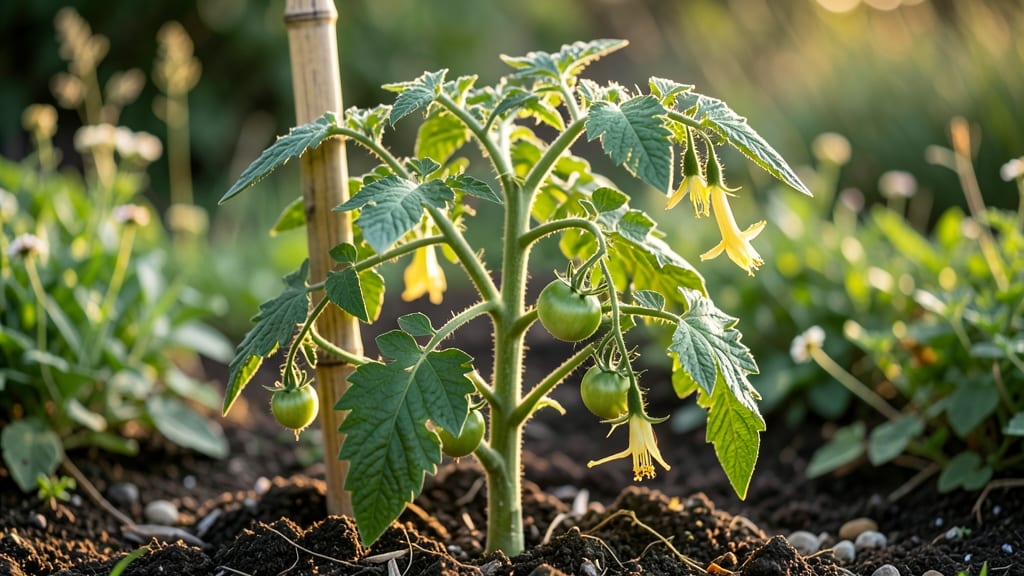
Your first ripe tomato in just 60-90 days—that’s the magic of mastering the tomato growing time right. 🌱 I’ve learned that counting backward from your last frost date is the secret to avoiding disappointed gardeners who plant too early or too late.
The key isn’t just days, but matching varieties to your season’s length and protecting tender plants when nighttime temps dip below 55°F. Determinate tomatoes (the bush types) deliver most of their fruit in a tight window—often just 70-80 days—while indeterminate vining varieties keep producing all season if you keep them alive.
My heirloom ‘Brandywine’ plants still ripened tomatoes in October last year, but only because I protected them with row covers when nights turned chilly.
The real trick is starting seeds indoors 6-8 weeks before your last frost, then transplanting after soil warms to 60°F—no cooler, or roots will stall.
By day 50, you’ll see flowers forming, and if you’ve given them consistent water and balanced fertilizer, those first green tomatoes will appear around day 65.
The final stretch is all about patience—shade cloth on hot afternoons prevents sunscald, and regular pruning keeps energy flowing to fruit instead of leaves. With the right timing, you’ll be harvesting tomatoes in July that taste sweeter than anything from the store.
This timeline works for garden beds and containers alike—just adjust watering frequency for pots. The biggest mistake? Assuming all tomatoes follow the same schedule. Your 60-day cherry tomatoes won’t wait for your 90-day beefsteak varieties to ripen, so plan your harvests like a chef timing courses.
Now let’s get those seeds started!
📚 In This Guide
- What you need
- Instructions
- Tips and common mistakes
- Wrapping up and next steps
What you need
- ○ Container: 5-gallon bucket or pot (minimum 12" deep, 12-18" diameter) with drainage holes. (Optional: Self-watering containers for convenience.)
- ● Potting Mix: High-quality, well-draining container mix (avoid garden soil—it compacts!). (1 bag per container, ~3-5 cubic feet.)
- ● Tomato Seeds or Seedlings: Seeds: Fast-maturing varieties like ‘Early Girl’ or ‘Cherry Tomato’ (60-70 days to harvest). (5-10 seeds per container.)
- ● Seedlings: Transplant-ready plants (4-6 weeks old). (1 per container, 2-3 per large container.)
- ● Fertilizer: Balanced (10-10-10) or tomato-specific fertilizer for planting.
- ○ Slow-release granules (optional, for steady nutrition).
- ● Support: Cage (5-6 ft tall) or stakes (6-8 ft) for indeterminate varieties.
- ● Mulch: Straw or shredded leaves to retain moisture and suppress weeds.
- ● Grow lights (if starting seeds indoors).
- ● Succession planting seeds (for continuous harvests).
- ● Pruning shears (for maintaining plant health).
- ● Drip irrigation or watering can with a rose attachment.
- ● Epsom salt (magnesium boost for yellowing leaves).
Step-by-step guide to managing tomato growing time
Mastering the timeline ensures lush plants and bountiful harvests—here's how to pace each phase perfectly.
⏰ Step 1: Plan Your Planting Timeline
Start by calculating your last frost date—this is your anchor. Tomatoes need 50-65 days from transplant to harvest, plus 4-6 weeks for seedling growth. For a 60-90 day total, begin seeds indoors 8-10 weeks before the last frost, or transplant seedlings 2-3 weeks after frost risk passes.
I always mark these dates on my calendar with highlighters. The reason? Cool soil below 50°F stunts root growth, and seedlings planted too early rot in cold ground. Use a seedling heat mat if starting early indoors to keep soil at 75-85°F for faster germination.
🌱 Step 2: Germinate Seeds on Schedule
Sow seeds indoors 6-8 weeks before transplanting outdoors. Place them ¼ inch deep in moist seed-starting mix and cover with a humidity dome. Germination takes 5-10 days at 75-85°F, but cooler rooms may delay this by 3-5 days. Watch for the first cotyledons (tiny round leaves)—that's your signal to remove the dome immediately.
Here's the thing—don't overwater now. The soil should stay damp but never soggy. I use a spray bottle for precision, misting until moisture reaches 1 inch deep. Overwatering at this stage causes damping-off, a fungal disease that collapses seedlings overnight.
☀️ Step 3: Harden Off Seedlings for Outdoor Transition
Begin hardening off 10-14 days before transplanting. Start with 1-2 hours of outdoor exposure in a sheltered spot, gradually increasing to full sun over 7-10 days. You'll notice leaves darken and stems thicken as they toughen up. This process mimics outdoor conditions and prevents transplant shock.
I always transplant on an overcast afternoon. The diffuse light reduces stress, and cooler temperatures help roots establish before the heat of midday. Bury seedlings deeper than the pot—up to the first true leaves—to encourage strong root systems.
⏰ Step 4: Monitor Growth Milestones
Count 4-6 weeks from germination until seedlings show 4-6 true leaves. This is when they're ready for transplanting. After planting, focus on 1-2 inches of water weekly (more in heat waves) and watch for flower clusters—they appear 6-8 weeks after transplanting.
Real talk: If your plants bolt (send up a flower stalk too early), they'll produce small, bitter fruit. This happens when nights stay above 60°F for too long. To delay flowering, reduce water slightly and provide partial shade during the hottest part of the day.
🍅 Step 5: Time Harvests for Peak Flavor
Tomatoes reach harvest readiness 60-90 days after transplanting, but color alone isn't enough. Gently squeeze the fruit—ripe tomatoes yield slightly to pressure. For heirloom varieties, wait until they're fully colored and slightly soft. Cherry tomatoes are ready when they're deep red and plump.
Don't let tomatoes overripe on the vine. They'll split in heavy rain or burst from the vine, wasting your effort. Harvest in the morning when temperatures are cooler, and store at 55-65°F for maximum shelf life. I always pick a few extra to ripen indoors—place them stem-side down on a counter near a fruit bowl (ethylene gas from bananas speeds ripening!).
Tips & tricks for perfect tomato growing timing
Between us, nailing the tomato timeline means the difference between a thriving harvest and a frustrating wait. Here's what nobody tells you about making every stage work for you.
Seedling Heat Control: That 75-85°F range for germination isn't just a suggestion—it's the sweet spot where seeds break dormancy without stress. I use a seedling heat mat set to 80°F and place it under my seed trays. The moment you see those first cotyledons (those tiny round leaves), remove the humidity dome immediately. Leaving it too long creates a damp environment that invites damping-off fungus, and you'll lose seedlings overnight without warning.
Harden Off Gradually: The 10-14 day hardening off period is your plant's boot camp. Start with just 1-2 hours of morning sun in a sheltered spot, then increase exposure by 1 hour each day. Watch for leaves that darken slightly and stems that feel firmer—these are your cues the plants are adapting. I always do this in the morning because afternoon heat can shock tender seedlings. Pro tip: Use a small shade cloth if your afternoon sun is intense during this transition period.
Transplanting Strategy: Burying seedlings deeper than their original pot level might seem counterintuitive, but it's actually a growth hack. The buried stem develops additional roots that strengthen the plant. I always transplant on an overcast afternoon because the diffuse light reduces stress. If you must transplant in full sun, do it in the early morning and provide afternoon shade for the first 24 hours.
Harvest Timing Secret: Those 60-90 days to harvest aren't just about color—they're about texture too. Gently squeeze ripe tomatoes; they should yield slightly to pressure like a ripe avocado. For heirloom varieties, wait until they're fully colored and just starting to soften. I harvest in the morning when temperatures are cooler because the fruit is firmer and less prone to bruising. And here's a bonus: Place a few extra tomatoes near a bowl of bananas to ripen them faster—the ethylene gas from the bananas speeds up the process.
Pro Tips for Tomato Growing Time
- Between us, nailing the tomato timeline means the difference between a thriving harvest and a frustrating wait.
- Seedling Heat Control: That 75-85°F range for germination isn't just a suggestion—it's the sweet spot where seeds break dormancy without stress.
- Harden Off Gradually: The 10-14 day hardening off period is your plant's boot camp.
Frequently asked questions
Got questions about growing tomatoes in containers? Here are some of the most common ones—and their answers—to help you grow a thriving harvest!
How long does it take for tomato plants to bear fruit in containers?
With the right variety and care, container-grown tomatoes typically produce fruit 60–90 days after transplanting seedlings (or 80–100 days from seed). Dwarf or bush varieties (like 'Tiny Tim' or 'Patio Princess') often fruit faster—sometimes in as little as 50–60 days. Larger indeterminate types (like 'Sungold') may take closer to 90 days but reward you with continuous harvests all season.
Can I speed up tomato growing time in containers?
Yes! Start with fast-maturing varieties (look for "early" or "quick-bearing" labels), use high-quality potting mix with compost, and provide 10–12 hours of sunlight daily. Warmth also helps—keep soil temps above 60°F (15°C) and consider a grow light if your space is shady. Pruning suckers (side shoots) can redirect energy to fruit production, too!
Why are my container tomatoes taking longer to ripen?
Slow ripening often stems from insufficient sunlight, cool temps, or nutrient deficiencies. Move your container to a sunnier spot, add a balanced fertilizer (like 10-10-10), and ensure it’s at least 12–18 inches deep. Overcrowding or poor drainage can also stress plants—check for root-bound roots or soggy soil. If nights are chilly (below 55°F/13°C), use a row cover or move pots indoors temporarily.
What’s the fastest way to get tomatoes from seed to table?
Skip the seed-starting hassle and buy transplants from a nursery (they’re already 4–6 weeks old!). Choose cherry or dwarf varieties for quickest results, and use a 5-gallon container or larger to support growth. Keep soil moist, fertilize weekly with a tomato-specific feed, and prune aggressively to focus energy on fruit. With this method, you can enjoy homegrown tomatoes in just 6–8 weeks after planting!
Can I grow tomatoes in containers year-round?
Not without extra effort! Tomatoes thrive in warm seasons (60–85°F/15–29°C), but you can extend growing time in cooler climates with seasonal adjustments. In fall/winter, move containers indoors near a sunny window or under grow lights, and reduce watering. In spring, harden off plants gradually before replanting outdoors. For tropical zones, choose heat-tolerant varieties (like 'Heatmaster') and provide afternoon shade to prevent sunscald.
Wrapping up and next steps
Growing tomatoes in containers is a rewarding journey that delivers fresh, flavorful fruit in just 60-90 days—perfect for small spaces and impatient gardeners! 🌱 Whether you're a beginner or a seasoned green thumb, the key lies in timing, care, and patience, from seedling to harvest.
With the right setup, you’ll enjoy juicy tomatoes all season long.
Ready to dive in? Start planting your seeds today and watch your container garden thrive! For extra success, check out our container gardening guide next—your next harvest awaits! 🍅✨