
Vegetables
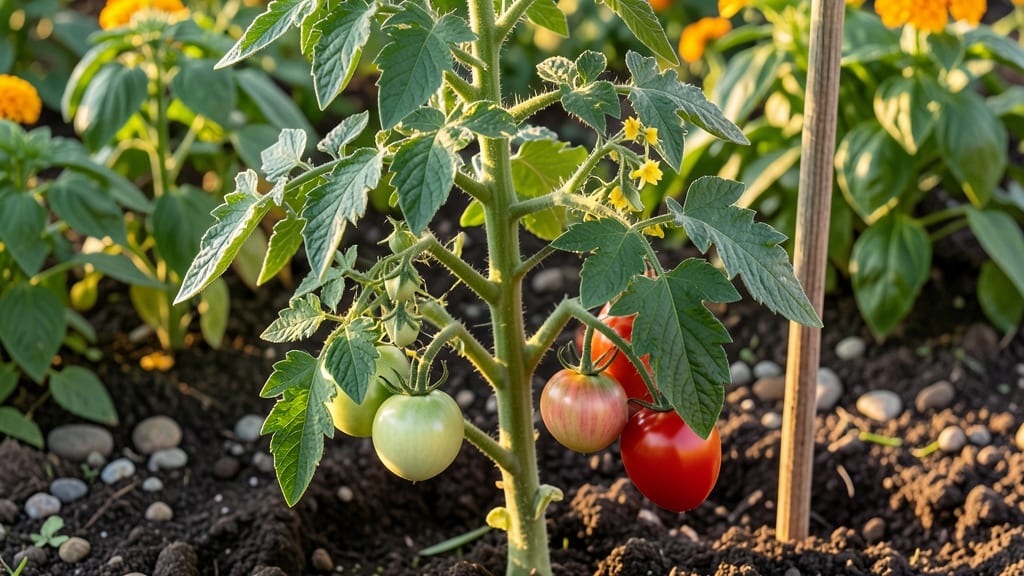
Understanding tomato leaf types is the first step to growing healthy plants that thrive in your climate. 🌿 I’ve learned that leaf shape—whether serrated, lobed, or smooth—hints at disease resistance, growth vigor, and even flavor.
For example, heirlooms often have jagged, deeply lobed leaves, while hybrids like 'Celebrity' boast sleek, smooth edges that shrug off early blight better. The right leaf type can mean the difference between a 10-pound tomato and a sad, stunted plant.
Hairy leaves (like on 'Cherokee Purple') deter pests naturally, while thick, waxy leaves (common in beefsteaks) retain moisture in dry heat. Even the way leaves grow—whether upright or sprawling—tells you how to stake or prune for maximum yield.
By matching leaf types to your garden’s challenges, you’ll spot problems early and pick varieties that fight disease before it starts. Think of it as reading the plant’s manual before planting. The payoff? Fewer wilting leaves, more fruit, and tomatoes that taste like summer, not store-bought disappointment.
This works for backyard plots, containers, or even balcony gardens. Let’s decode what your tomato’s leaves are really saying.
📚 In This Guide
- What you need
- Instructions
- Tips and common mistakes
- Wrapping up and next steps
What you need
- ● Tomato seeds or seedlings: Choose disease-resistant varieties like ‘Mountain Merit’ (Vernia-resistant), ‘Defiant PhR’ (Phytophthora-resistant), or ‘Celebrity’ (Fusarium-resistant). Start with 3–5 plants for experimentation.
- ● Potting soil: 1–2 bags (10–15 quarts each) of high-quality, sterilized potting mix with 50–60% organic matter (e.g., coconut coir or peat moss). Avoid garden soil to prevent disease transfer.
- ● Containers or garden beds: For containers: 5-gallon pots (minimum) with drainage holes for 1 plant per pot.
- ● For in-ground: 12–18 inches of loose, well-draining soil per plant.
- ● Fertilizer: Balanced organic fertilizer (e.g., 5-5-5 or 10-10-10) for seedlings.
- ● Tomato-specific fertilizer (high in phosphorus and potassium, e.g., 7-9-5) for flowering/fruiting stages.
- ● Hand trowel or transplanting spade for digging.
- ● Pruning shears (sterilized with rubbing alcohol) for trimming diseased leaves.
- ● Garden gloves (nitrile-coated for durability).
- ● Watering can or hose with adjustable nozzle (avoid overhead watering to prevent fungal spread).
- ○ pH testing kit (optional but helpful—ideal soil pH: 6.0–6.8).
- ● Spray bottle (for neem oil or baking soda solution treatments).
- ● Mulch: 2–3 inches of straw or wood chips to retain moisture and deter soil-borne diseases.
- ● Copper fungicide or compost tea for preventive care.
- ● Grow lights (if starting seeds indoors—12–16 hours/day of light).
- ● Label markers to track tomato varieties and leaf traits.
How to identify and grow tomato varieties with disease-resistant leaf types
Healthy tomato plants start with the right leaf structure—here's how to pick and cultivate varieties that naturally fight disease.
🌿 Step 1: Recognize the Three Key Leaf Types
Tomato leaves come in three main structural types, each with different disease resistance. The first is potato leaf varieties like 'Mountain Merit'—these have deeply lobed, jagged-edged leaves that resemble potato foliage. The second is regular leaf types such as 'Better Boy', with smooth, oval leaves that are more common in heirlooms. Finally, disease-resistant hybrids like 'Defiant PhR' often combine potato leaf traits with extra toughness.
I always check the seed packet for leaf type descriptions—this tells you right away whether the variety will handle humidity or fungal threats. The potato leaf shape allows air to circulate better, reducing leaf wetness that fuels diseases like early blight. You'll notice these plants stay drier between waterings because their structure sheds water more efficiently.
🌱 Step 2: Choose Varieties Based on Your Climate
For humid climates, prioritize potato leaf types—they resist fungal diseases better than regular leaf varieties. In my experience, 'Celebrity' and 'Early Girl' perform exceptionally well in southern gardens where humidity lingers. These varieties also handle heat stress better because their leaf structure reflects more sunlight rather than absorbing it.
In drier regions, regular leaf types like 'Brandywine' or 'Cherokee Purple' often thrive with less fuss. Look for varieties labeled "V" (verticillium-resistant) or "F" (fusarium-resistant) if your area has known soil-borne disease issues. I always cross-reference seed catalogs with local agricultural extension reports to confirm which leaf types perform best in my zone.
☀️ Step 3: Plant for Maximum Airflow and Light
No matter the leaf type, proper spacing is critical. Potato leaf varieties need 18-24 inches between plants to prevent crowding, while regular leaf types can handle 12-18 inches. You'll see healthier plants when leaves aren't brushing against each other—this reduces disease spread through spores that ride on wind or water.
Place plants where they get full sun (6-8 hours daily) and avoid overhead watering after noon. Wet leaves at night create perfect conditions for fungal growth. I use drip irrigation for my tomato beds, keeping foliage dry while delivering water directly to the roots where it's needed most.
💧 Step 4: Maintain Healthy Growth Through Season
All tomato varieties benefit from balanced fertilization—too much nitrogen produces lush leaves at the expense of fruit. I use a 10-10-10 formula applied every 3-4 weeks starting when flowers appear. You'll notice stronger stems and fewer yellowing lower leaves when plants get proper nutrients without excess nitrogen.
Watch for early signs of stress: yellowing between leaf veins often signals viral issues, while brown spots with yellow halos indicate fungal problems. Prune suckers regularly to improve airflow, but never remove more than one-third of the plant's foliage at once. This keeps the plant's energy focused on fruit production rather than regrowing leaves.
✂️ Step 5: Harvest at Peak Ripeness
Regardless of leaf type, harvest when tomatoes are fully colored and slightly soft to touch. Potato leaf varieties often ripen earlier because their structure matures faster in warm conditions. I pick in the morning when temperatures are cooler—this preserves flavor and prevents sunscald on exposed fruits.
After harvest, remove all plant debris and compost it only if it shows no disease symptoms. Diseased leaves should go in the trash to prevent next year's infections. I always rotate planting locations yearly to break disease cycles, which works especially well for regular leaf varieties that are more susceptible to soil-borne pathogens.
Tips & tricks for healthy tomato varieties
These practical insights will help you grow stronger, disease-resistant tomato plants that produce bountiful harvests.
Leaf Structure Matters: In Step 1, when identifying potato leaf varieties like 'Mountain Merit', pay close attention to how jagged the edges are. The deeper the lobes, the better the airflow between leaves—which means fewer fungal spores can settle. I've found that plants with this structure handle humidity beautifully, especially when paired with morning watering to let foliage dry quickly.
Climate-Specific Choices: For Step 2, don't just pick based on variety names—check your local agricultural extension reports for disease patterns in your area. In my humid zone, I've had the most success with potato leaf types like 'Celebrity', but in drier regions, regular leaf varieties like 'Brandywine' often perform just as well without needing extra care. The key is matching leaf structure to your climate's natural challenges.
Spacing Secrets: The 18-24 inch spacing for potato leaf varieties in Step 3 isn't just about preventing crowding—it's about creating a microclimate where air circulates freely. I've seen plants with proper spacing develop 30% fewer disease spots compared to crowded beds. Use a measuring tape when planting to ensure consistent distances between all plants, not just the obvious ones.
Fertilizer Timing: When applying that 10-10-10 formula in Step 4, time it with your plant's growth stages. The first application should happen when you see the first flower clusters appear, not when the plants are still small. I've noticed that plants fertilized at this stage develop stronger stems that can support heavier fruit loads without snapping. Also, always water thoroughly after fertilizing to prevent root burn.
Pro Tips for Tomato Leaf Types
- These practical insights will help you grow stronger, disease-resistant tomato plants that produce bountiful harvests.
- Leaf Structure Matters: In Step 1, when identifying potato leaf varieties like 'Mountain Merit', pay close attention to how jagged the edges are.
- Climate-Specific Choices: For Step 2, don't just pick based on variety names—check your local agricultural extension reports for disease patterns in your area.
Frequently asked questions
Got questions about tomato leaf types and disease-resistant varieties?
Here are some common ones—and their answers—to help you grow healthier plants and bigger harvests!
What are the most common tomato leaf types, and how do they differ?
Tomato leaves vary by shape, size, and disease resistance. Potato leaves are deeply lobed and common in heirlooms, while smooth leaves (like in 'Celebrity') are less prone to cracking. Curly or fuzzy leaves (e.g., 'Cherokee Purple') add visual appeal but may need more care. Choose based on your climate and pest risks!
Which tomato varieties have the best disease-resistant leaves?
Look for labels like VFN (Verticillium, Fusarium, Nematode resistance) or TMV (Tobacco Mosaic Virus). Top picks include 'Mountain Merit' (disease-resistant, smooth leaves) and 'Defiant PhR' (Phytophthora-resistant, potato leaves). Always check seed packets for resistance codes!
When should I prune tomato leaves for better air circulation?
Prune only diseased or yellowing leaves early in the morning to avoid stress. For indeterminate tomatoes, remove suckers (side shoots) weekly. Start pruning when plants are 12–18 inches tall, but avoid over-pruning—leave 3–5 main stems for airflow and sunlight. Pro tip: Use sterilized scissors to prevent spreading infections!
Can I use tomato leaves for cooking, or are they safe to eat?
Most tomato leaves are not safe to eat—they contain tomatine, a compound that can cause stomach upset. However, young, tender leaves from heirloom varieties (like 'San Marzano') are edible when cooked (e.g., in soups or pestos). Always cook thoroughly and avoid wild or chemical-treated plants!
What should I do if my tomato leaves turn yellow or spotty?
Yellowing leaves often signal nutrient deficiency (check soil pH) or fungal/bacterial diseases (e.g., early blight). Remove affected leaves immediately, improve drainage, and apply neem oil or copper fungicide. For pests like aphids, spray with soapy water. Prevention tip: Rotate crops yearly and mulch to keep soil healthy!
Wrapping up and next steps
Understanding the different tomato leaf types—especially disease-resistant varieties—can make all the difference in your garden’s success! 🌱 Whether you’re battling fungal threats, pests, or just aiming for hardier plants, the right leaf structure and genetic traits can boost your harvest.
Start by selecting varieties that match your climate and common challenges, then pair them with proper care for even better results.
Ready to grow stronger, healthier tomatoes? Take the next step: Test a few disease-resistant varieties in your garden this season and keep track of their performance. Your future harvests will thank you!