
How To
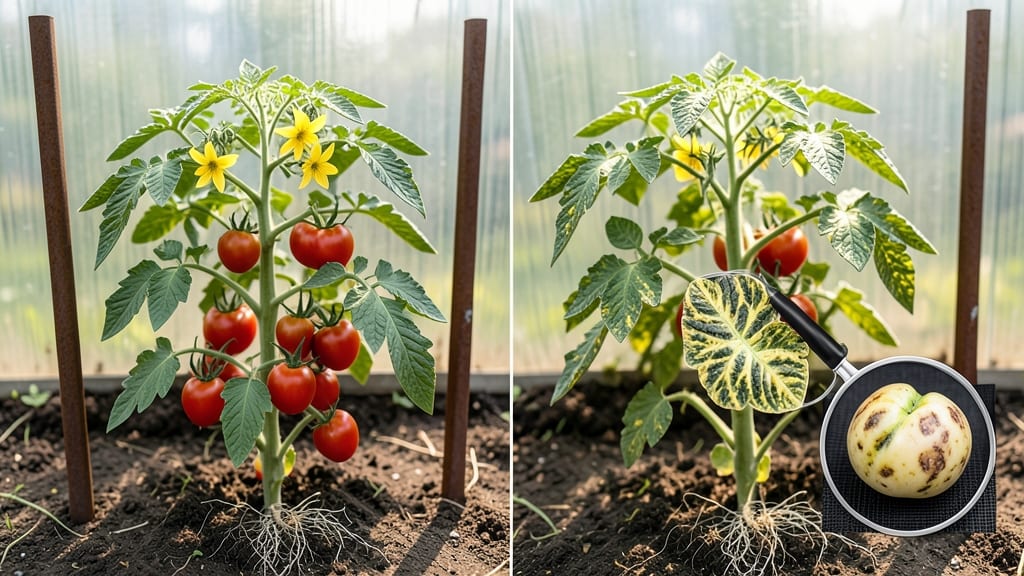
Your tomato plants just produced fruit with strange, yellowed patches—this is tomato mosaic virus (ToMV) in action, and it spreads faster than you think. 🌱 The moment you spot those telltale mottled leaves or stunted growth, you're already playing catch-up with a virus that thrives on aphids and infected seeds.
The good news? Acting now can save your garden from total collapse.
Start by yanking every infected plant—roots and all—and tossing it in the trash (not compost). Then focus on prevention: use disease-resistant varieties like 'Mountain Merit' or 'Defiant,' keep aphids off with neem oil sprays, and rotate crops yearly to starve out lingering viruses.
Even a single infected plant can ruin your entire harvest, so stay vigilant—check leaves regularly and quarantine new plants for two weeks.
📚 In This Guide
- What you need
- Instructions
- Tips and common mistakes
- Wrapping up and next steps
What you need
- ● Hand lens or magnifying glass – For inspecting leaves, stems, and fruit for subtle symptoms like mottling or stunting.
- ● Digital camera or smartphone – To document symptoms for later reference or expert consultation.
- ○ pH test kit (optional) – Helps confirm if soil conditions may be contributing to stress, worsening TMV effects.
- ● Nitrile gloves (2 pairs) – Protects hands from sap and potential pathogens.
- ● Face mask (N95 or surgical) – Recommended when handling infected plants or composting debris.
- ● Disposable coveralls or old clothing – Prevents cross-contamination when working in the garden.
- ● Heavy-duty trash bags (3–5, 13-gallon size) – For sealing and disposing of infected plants and debris.
- ● Shovel or pruning shears (sterilized) – Use a 10% bleach solution or 70% isopropyl alcohol to clean tools between uses.
- ● Compost bin with lid (separate from kitchen compost) – If local regulations allow, use for infected plant material (avoid open piles!).
- ● Hydrogen peroxide (3%) or rubbing alcohol (70%) – For sanitizing tools, hands, and surfaces.
- ● Soap and water – For washing hands and tools after handling infected plants.
- ● Garden hose with nozzle – To rinse tools and garden areas thoroughly.
- ○ Beneficial nematodes (optional) – Phasmarhabditis hermaphrodita can help control pests that may stress tomatoes, indirectly reducing TMV spread.
Step-by-Step instructions for identifying and eradicating tomato mosaic virus
Here’s how to spot, contain, and remove this stubborn disease before it ruins your harvest.
🌿 Step 1: Examine Fruit and Leaves for Distinct Symptoms
Start by inspecting your tomato plants closely, focusing on the fruit first. Tomato mosaic virus causes mosaic-like patterns—yellow or green patches that create a marbled effect on leaves. These patterns often appear irregular and uneven, unlike nutrient deficiencies, which are more uniform. Check the undersides of leaves too; you might spot stunted growth or puckered surfaces where the virus has disrupted cell development.
Look at the fruit itself. Infected tomatoes may show yellow rings or lines on the skin, or the flesh could develop a brittle, spongy texture when cut open. If you see these signs, do not eat the fruit—the virus isn’t harmful to humans, but it’s a clear indicator your plant is compromised. Compare suspicious plants to healthy ones side by side to confirm the differences.
✂️ Step 2: Isolate and Remove Infected Plants Immediately
Once you’ve confirmed infection, act fast. Tomato mosaic virus spreads easily through contaminated tools, hands, and even windborne aphids, so isolation is critical. Carefully dig up the entire plant, including roots, and seal it in a heavy-duty trash bag. Do not compost it—this virus can survive in organic matter for months. If you’re growing in containers, discard the soil or sterilize it by baking it in the oven at 200°F for 30 minutes to kill any lingering pathogens.
Clean your workspace thoroughly. Scrub tools with a 10% bleach solution (1 part bleach to 9 parts water) or 70% rubbing alcohol, then rinse with clean water. Wipe down benches, gloves, and any surfaces the infected plant may have touched. This step prevents accidental spread to other plants in your garden or greenhouse.
🌱 Step 3: Sterilize the Growing Area and Prevent Reinfection
Tomato mosaic virus thrives in contaminated soil and garden debris, so sterilization is key. For in-ground gardens, remove all plant debris and till the soil to a depth of 6 inches. If possible, rotate crops—don’t plant tomatoes, peppers, or other solanaceous plants in the same spot for at least 3 years. The virus can persist in the soil for years, so breaking the cycle is essential.
If you’re growing in containers, replace the soil entirely or treat it with a steam sterilizer or solarization method (covering the soil with clear plastic for 4-6 weeks in hot weather to raise temperatures). Avoid reusing pots that held infected plants unless you’ve scrubbed them with soap and water, then disinfected them with bleach. This reduces the risk of reinfection next season.
💧 Step 4: Monitor Nearby Plants and Control Vectors
Even after removing infected plants, keep an eye on your garden. Tomato mosaic virus spreads via aphids, mechanical damage (like pruning tools), and even seed transmission in some cases. Inspect neighboring plants for early signs of mosaic patterns or stunted growth. If you spot aphids, blast them off with a strong stream of water or use neem oil spray to deter them without harming beneficial insects.
To further protect your plants, avoid overhead watering, which can splash virus particles from infected debris onto healthy leaves. Instead, water at the base of plants. If you’re saving seeds, test them for virus presence by growing a small batch in a separate, controlled environment before planting them in your main garden. This extra precaution ensures you’re not unknowingly reintroducing the virus.
Tips & tricks for identifying and eradicating tomato mosaic virus
Real talk: Catching this virus early makes all the difference between a thriving garden and a lost harvest. Here's how to spot it before it spreads—and how to clean up after it's too late.
Symptom Spotlight: The key to early detection is comparing infected plants to healthy ones side by side. Look for the irregular yellow-green mosaic patterns on leaves that the instructions mention—these are your first warning signs. I've seen gardeners miss infections because they only checked the tops of leaves. Flip them over! The undersides often show puckered surfaces or stunted growth first, especially in the younger leaves. This is where the virus first disrupts cell development.
Speed Matters: When you confirm infection in Step 2, every second counts. I learned this the hard way after watching a single infected plant contaminate my entire greenhouse. The 30-minute sterilization at 200°F for container soil is non-negotiable—this heat kills the virus particles that would otherwise survive in compost or reused pots. For garden tools, I keep a spray bottle of 70% rubbing alcohol handy during harvest season. A quick wipe between plants prevents accidental spread through contaminated blades.
The Three-Year Rule: This is one of those gardening truths that sounds extreme until you understand why. Tomato mosaic virus can lie dormant in soil for years, waiting for susceptible plants. That's why Step 3 insists on rotating crops for at least 3 years. I mark my garden calendar with colored tape to track which areas had solanaceous plants (tomatoes, peppers, eggplants) each year. This simple system has saved me from repeated infections in the same spot.
Prevention First: The best defense against this virus is prevention. In Step 4, the instructions mention avoiding overhead watering—this is crucial. I've seen virus particles splash up to 2 feet when water hits infected leaves. Instead, I use a soaker hose buried at the base of plants. For seed saving, I've started testing seeds in a separate quarantine area before planting them in my main garden. It's an extra step, but it's saved my harvests multiple times.
Pro Tips for Tomato Mosaic Virus Fruit
- Real talk: Catching this virus early makes all the difference between a thriving garden and a lost harvest. Here's ho...
- Symptom Spotlight: The key to early detection is comparing infected plants to healthy ones side by side. Look for the...
- Speed Matters: When you confirm infection in Step 2, every second counts. I learned this the hard way after watching ...
Frequently asked questions
What does tomato mosaic virus look like on infected fruit?
Infected tomatoes often show mosaic patterns (light/dark green patches), stunted growth, and puckered or distorted shapes. Leaves may also develop yellow rings or streaks. If fruit looks misshapen or has uneven ripening, TMV could be the culprit. Click here for a visual guide.
How long does it take for tomato mosaic virus to spread?
TMV spreads rapidly—often within days to weeks—via contaminated tools, hands, or even windborne sap. Once in your garden, it can persist in soil for years and infect over 120 plant species, including peppers, eggplants, and basil. Act immediately if you spot symptoms to prevent a full-blown outbreak.
Can I save tomato plants already infected with TMV?
Unfortunately, no. TMV has no cure, and infected plants should be removed and destroyed (don’t compost them!). Sterilize pruners with 70% rubbing alcohol or bleach to prevent spreading the virus. Focus on prevention—use resistant varieties like ‘Defiant PhR’ or ‘Mountain Merit’ for future crops.
Will tomato mosaic virus affect my next year’s harvest?
Yes, if not controlled. TMV overwinters in plant debris, weeds, and even soil, meaning it can reinfect your garden. To break the cycle:
- Rotate crops (avoid planting nightshades in the same spot for 3+ years).
- Solarize soil in summer to kill virus particles.
- Test soil for pathogens if issues persist.
How can I tell if my fruit contamination is TMV or just poor growing conditions?
Use this quick TMV vs. Environmental Stress checklist:
Symptom
TMV Likely?
Other Causes
Mosaic/yellow patterns on leaves and fruit
Yes
No (could be nutrient deficiency)
Stunted, twisted fruit
Yes
Possible (but check for pests like aphids)
Yellowing leaves (uniform color)
No
Likely (over/under-watering, nitrogen deficiency)
Wrapping up and next steps
Protecting your garden from tomato mosaic virus fruit starts with vigilance and quick action—but you’ve got this! 🌱 By recognizing symptoms early, removing infected plants, and practicing smart sanitation, you can keep your harvest thriving. Stay proactive: regularly inspect your plants, rotate crops, and disinfect tools to break the virus’s cycle.
Next steps? Share your success! Snap photos of your healthy tomatoes, tag fellow gardeners, and keep learning—because every season is a chance to grow stronger. Happy gardening! 🌿