
Plants
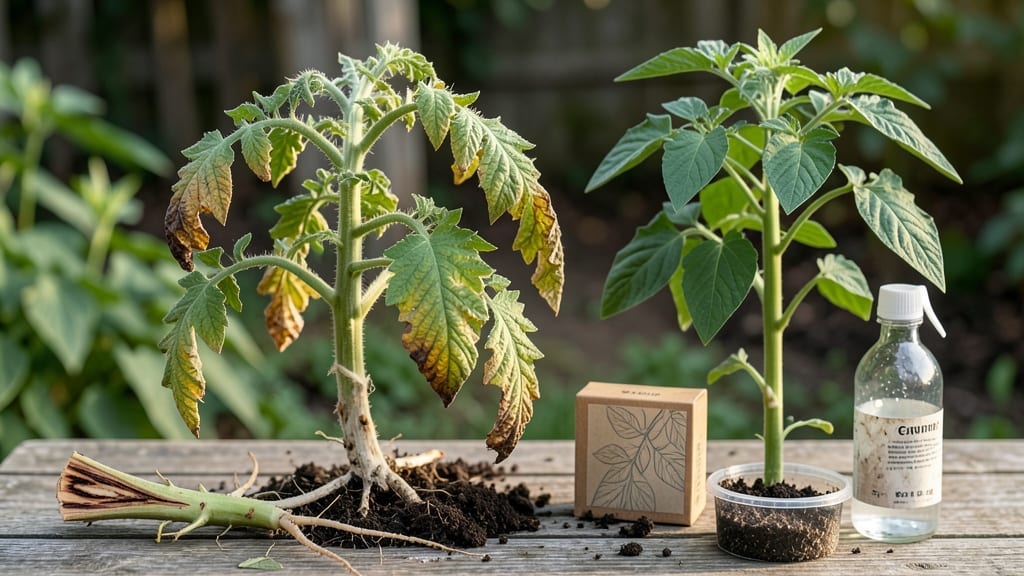
Fusarium wilt turns your tomato plants into limp, yellowing shadows before you even see the fruit. 🌱 I’ve lost entire plants to this stubborn fungal disease, but I’ve also learned how to outsmart it—starting with the right soil and resistant varieties.
The key isn’t just treating symptoms; it’s building a garden where tomatoes thrive before the fungus gets a foothold.
This disease lurks in infected soil, spreading through water and roots. You’ll spot it early with wilting leaves that stay yellow even when watered, or stunted growth despite healthy-looking stems. The bad news? Once it’s in your soil, it’s nearly impossible to eradicate completely.
The good news? You can starve it out with smart crop rotation, solarization, and choosing varieties like ‘Mountain Merit’ or ‘Celebrity’ that resist its attack.
By combining resistant plants, 3-year crop rotation, and organic soil amendments like compost, you’ll break the fungus’s cycle. I’ve gone from losing plants every season to harvesting heavy, disease-free tomatoes year after year. The secret isn’t complicated—it’s consistent, long-term care that keeps your soil (and your plants) healthy.
Whether you’re a first-time gardener or a veteran with battle scars, these strategies work. The goal isn’t perfection—it’s resilience. Let’s get your tomatoes growing strong again.
Root Causes Of Tomato Disease
Fusarium wilt in tomato plants isn’t just a random attack—it’s the result of specific conditions coming together like a perfect storm. Understanding these triggers is the first step to stopping the spread and protecting your garden.
Below, we break down the three core reasons this fungus takes hold, along with the science behind each one.
---
Fusarium oxysporum f. sp. lycopersici, the villain behind tomato wilt, is a soil-dwelling fungus that survives for years in dormant spores. Here’s how it sets up shop:
- Persistent in Soil: Unlike some pathogens that die off quickly, Fusarium spores can remain viable in the soil for decades, especially in warm, moist conditions.
Even if you remove infected plants, the fungus may still be waiting to strike. - Entry Points: The fungus invades tomato roots through microscopic wounds (like those caused by rough handling or poor soil structure) or natural root hairs.
Once inside, it blocks water and nutrient flow, leading to wilting. - Contaminated Tools/Compost: Moving infected soil on garden tools, shoes, or even compost can spread spores to healthy plants. 💡 Pro Tip: Sterilize tools with a 10% bleach solution (1 part bleach to 9 parts water) between uses.
---
Fusarium thrives when temperatures and moisture align with its preferences. Here’s why your garden might be its ideal breeding ground:
- Temperature Sweet Spot: The fungus booms between 77–95°F (25–35°C)—common in summer growing seasons. If your tomatoes are wilting during heatwaves, Fusarium could be the culprit. - Overwatering or Poor Drainage: While the fungus needs moisture to spread, waterlogged soil weakens roots, making them easier targets.
Conversely, drought stress can also trigger root damage, opening doors for infection. - High Humidity: Foggy mornings or dense plant canopies create the perfect humid microclimate for spore germination. ✨ Actionable Fix: Space plants for airflow and water early in the day to let foliage dry quickly.
---
Healthy tomatoes resist Fusarium, but stress makes them vulnerable. Common triggers include:
- Nutrient Deficiencies: Low phosphorus or potassium weakens root systems, making them less able to fend off pathogens.
A soil test can reveal imbalances—aim for balanced NPK ratios (e.g., 5-10-10 fertilizer). - Physical Stress: Overcrowding, transplant shock, or physical damage (like hail or pests) create entry points. 🔥 Prevention: Use cage supports to avoid bruising stems and mulch to protect roots. - Previous Infected Crops: Fusarium can target tomatoes, peppers, and other nightshades, so rotating crops isn’t enough—avoid planting susceptible plants in the same spot for 3+ years.
---
Key Takeaway: Fusarium wilt doesn’t happen in a vacuum—it’s the result of soil conditions, environmental factors, and plant health working against your tomatoes. The good news? Armed with this knowledge, you can disrupt its cycle and keep your garden thriving.
Quick Fixes for Wilting Tomato Plants
Fusarium wilt can feel like a death sentence for your tomato plants, but don’t give up yet! 🌱 With the right approach, you can save your garden and prevent future outbreaks.
Below, we’ve mapped out practical solutions based on the root causes of this stubborn disease—so you can act fast and restore your plants to health.
---
If you’ve already spotted yellowing leaves, wilting, or stunted growth, the first step is containment. Fusarium spreads through soil and water, so delay can mean disaster.
- 🔪 Cut infected plants at the base (don’t compost them—this spreads spores!). - 🗑️ Bag and discard infected plant material in the trash (not your compost bin). - 🌡️ Sterilize pruners with rubbing alcohol or a 10% bleach solution to kill lingering spores.
✨ Pro Tip: If the disease is severe, remove all tomato plants from that area—even healthy-looking ones may be carriers.
---
Fusarium thrives in the same soil year after year. Crop rotation is your best defense against reinfection.
- 📅 Wait 3–4 years before replanting tomatoes, peppers, or eggplants in the same spot. - 🌿 Plant non-host crops in the meantime, like beans, corn, or grasses, which disrupt the fungus’s life cycle. - 🏡 Avoid planting susceptible plants (tomatoes, peppers, etc.) in the same bed annually.
💡 Prevention Hack: If space is limited, use raised beds filled with fresh, sterilized soil to isolate your tomatoes.
---
Fusarium loves waterlogged, compacted soil. Fixing drainage and soil structure weakens its grip on your plants.
| Problem | Solution | |---------------------------|-----------------------------------------------------------------------------| | Poor drainage | Amend soil with compost, perlite, or coarse sand to improve aeration. | | Heavy clay soil | Mix in organic matter (leaf mold, well-rotted manure) to loosen texture. | | Overwatering | Water deeply but infrequently—let the top 1–2 inches of soil dry out. | | Low organic matter | Add worm castings or aged compost to boost microbial activity. |
🔥 Emergency Fix: If your soil is waterlogged, create mounds around tomato plants to encourage faster drainage.
---
Healthy plants fight off diseases better. Strengthen your tomatoes with these low-cost, high-impact strategies:
- 🌿 Use resistant varieties like ‘Mountain Merit,’ ‘Defiant PhR,’ or ‘Bush Early Girl’ (check seed packets for Fusarium-resistant labels). - 🍄 Feed with compost tea or mycorrhizal fungi to enhance root health and natural defenses. - 🌞 Provide full sun (6–8+ hours/day)—weak, shaded plants are more susceptible. - 🍃 Avoid excessive nitrogen (too much promotes lush foliage but weak roots).
🎯 Gold Standard Tip: Mulch heavily with straw or wood chips to prevent soil splashing onto leaves (a common infection route).
--- If Fusarium is entrenched in your garden, you may need to sterilize the soil before replanting.
- 🔥 Solarization: Cover moist soil with clear plastic for 4–6 weeks in hot weather (kills spores with heat). - 🧴 Fungicides (last resort): Use copper-based or phosphite fungicides (like Subdue or BioCure) only as a preventative spray—they won’t cure an active infection. - 🏗️ Fresh soil: For severe cases, replace contaminated soil with new, sterile potting mix in raised beds.
⚠️ Warning: Chemical treatments can harm beneficial microbes—use them sparingly and only when needed.
--- Once you’ve treated an outbreak, keep Fusarium at bay with these habits:
✅ Test your soil (pH 6.0–6.8 is ideal for tomatoes). ✅ Disinfect garden tools before and after use. ✅ Avoid working in the garden when soil is wet (spores spread via water). ✅ Choose disease-resistant seeds when possible. ✅ Monitor for early signs (wilting in one branch? Act fast!).
--- Final Thought: Fusarium wilt is manageable—not hopeless! By removing infected plants, improving soil, and rotating crops, you can protect your tomato harvests for years. 🍅💪 Your garden’s future starts with smart, proactive care today.
Frequently asked questions about tomato plant Fusarium wilt
How can I tell if my tomato plants have Fusarium wilt?
Look for sudden wilting in one branch that doesn't recover when watered, yellowing leaves that stay attached, and stunted growth despite healthy stems. The key difference from drought stress? Fusarium wilting often starts in one side of the plant and spreads unevenly. Check the roots too—healthy roots should be white, while infected ones may appear brown or mushy.
Can I save a tomato plant already infected with Fusarium wilt?
Unfortunately, no—once symptoms appear, the plant is usually beyond saving. The fungus blocks water flow internally, so even pruning won't stop the spread. Your best move is to remove the entire plant (roots and all) and destroy it (don't compost!) to prevent soil contamination. Focus on saving nearby healthy plants by improving their growing conditions.
What's the best way to sterilize garden tools to prevent spreading Fusarium?
Use a 10% bleach solution (1 part bleach to 9 parts water) or 70% rubbing alcohol to wipe down pruners, trowels, and gloves between uses. For metal tools, soak them for 5 minutes in the solution, then rinse and dry completely. Store tools in a clean, dry place to prevent recontamination. This simple step can prevent spreading spores to healthy plants.
How long does Fusarium wilt survive in soil?
The fungus can remain dormant in soil for 10-15 years or longer, especially in warm, moist conditions. This is why 3-year crop rotation is critical—it disrupts the fungus's life cycle. Even after rotating crops, test your soil annually, as spores may still be present at low levels. Raised beds with fresh, sterilized soil offer the best protection for susceptible plants.
Are there any organic treatments that can help prevent Fusarium wilt?
While no organic treatment can cure an active infection, you can boost plant resistance with compost tea (rich in beneficial microbes) and mycorrhizal fungi (which enhance root health). Additionally, neem oil (as a preventative spray) may help strengthen plant defenses. For soil health, focus on balanced fertilization (avoid excess nitrogen) and proper drainage