
Planting
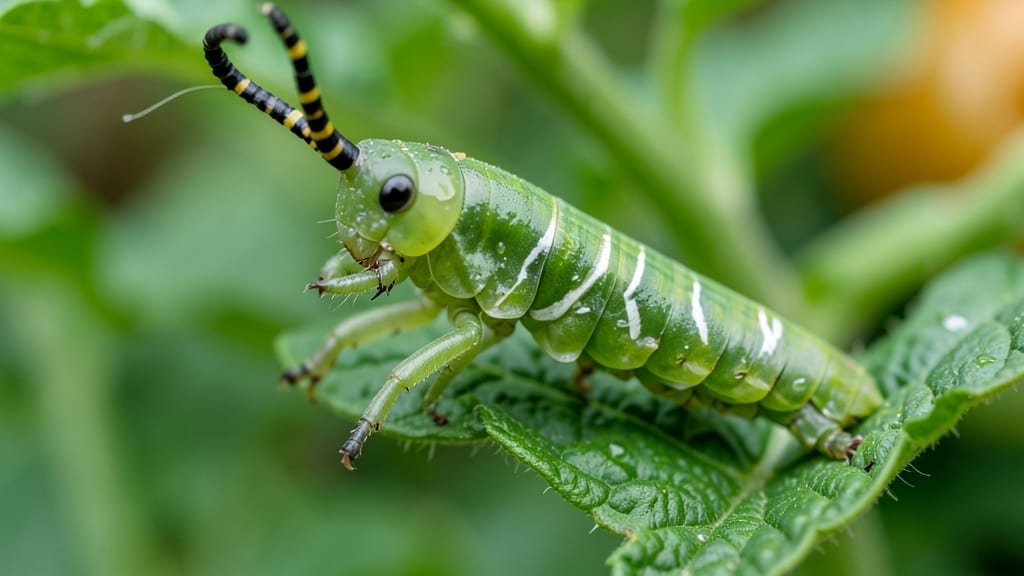
Tomato plant insect pests can turn your lush vines into skeleton leaves overnight—unless you act fast. 🌱 I’ve lost entire harvests to hornworms and aphids, but these natural remedies saved my garden without toxic sprays.
The key is catching problems early and using targeted solutions that work with nature, not against it.
Most tomato pests—like aphids, whiteflies, and hornworms—target young leaves and fruit, but they all leave telltale signs: chewed edges, sticky residue, or tiny webs. My biggest breakthrough? A mix of neem oil for soft-bodied bugs and handpicking for hornworms (yes, I know it’s gross, but it works).
These methods stop pests without harming bees or beneficial insects.
By the time you’re done, your tomatoes will be thriving with fewer holes and more fruit. The best part? These remedies take less than 10 minutes to apply and keep working for weeks. No more wilted plants or wasted harvests—just healthy, happy tomatoes that make your neighbors jealous.
Works for backyard gardens, containers, or even balcony setups. Here’s how to spot, stop, and prevent the worst tomato pests naturally—no chemicals required.
Root Causes Of Tomato Plant Insect Attacks
Tomato plants are a magnet for insect pests, but why do these tiny troublemakers show up in the first place? The answer lies in a mix of environmental factors, plant health, and even human habits.
Understanding these triggers can help you take proactive steps to protect your garden before pests become a problem.
A healthy tomato plant is naturally resistant to many pests, but when its defenses weaken, insects move in like uninvited guests at a buffet. Here’s why:
- Nutrient Deficiencies – If your plants lack essential nutrients (like nitrogen, phosphorus, or potassium), they become stressed and more vulnerable.
Pests like aphids and whiteflies target weakened foliage because it’s easier to feed on. - Overcrowding – When tomato plants are too close together, airflow is restricted, creating a damp, humid microclimate.
This attracts fungal diseases and the insects that thrive in those conditions (e.g., hornworms, spider mites). - Water Stress – Both overwatering and underwatering stress plants. Overwatering leads to soggy soil, inviting fungus gnats and root maggots, while drought-stressed plants attract sap-sucking pests like stink bugs.
💡 Pro Tip: Conduct a simple soil test to check nutrient levels, and prune plants to improve airflow. A well-balanced fertilizer (like 10-10-10) can boost resilience before pests arrive.
Some tomato varieties and growth stages are especially appealing to insects. Here’s what makes your plants a pest buffet:
- Lush, Tender New Growth – Young, soft leaves and stems are a favorite snack for caterpillars (like tomato hornworms) and beetles.
These pests avoid woody or mature foliage. - Sweet, Ripe Fruit – Overripe or bruised tomatoes emit sugars and volatile compounds that signal "easy prey" to fruit flies, aphids, and even raccoons (yes, really). - Sticky or Damaged Leaves – Honeydew (a sugary waste product from aphids and whiteflies) attracts ants, which then "farm" the pests for their own gain.
Once ants establish a colony, they protect the pests in exchange for food.
✨ Actionable Fix: Harvest tomatoes promptly when ripe, remove damaged leaves, and avoid over-fertilizing with nitrogen (which encourages soft, pest-loved growth).
Insects thrive in specific conditions, and your garden might unknowingly be a five-star resort for them. Key triggers include:
- Warm, Humid Climates – Many tomato pests (e.g., spider mites, whiteflies) love heat and moisture. Greenhouses or plastic tunnels can trap humidity, accelerating infestations. - Poor Drainage – Waterlogged soil breeds root-feeding pests like cutworms and wireworms.
Even temporary puddles can attract fungus gnats. - Nearby Weeds & Debris – Weeds host alternative food sources and hiding spots for pests. For example, purslane (a common weed) is a magnet for aphids, which then migrate to your tomatoes.
🔥 Quick Solution: Improve drainage with raised beds or sand amendments, and mulch to regulate soil moisture. Remove weeds within a 3-foot radius of your plants.
Sometimes, well-intentioned gardening practices accidentally invite pests. Common offenders:
- Overusing Synthetic Fertilizers – Chemical-heavy soils can disrupt beneficial insect populations (like ladybugs and lacewings), leaving your plants defenseless against pests.
- Ignoring Beneficial Insects – If you’ve sprayed broad-spectrum pesticides (even "organic" ones like neem oil improperly), you might’ve wiped out natural predators of pests.
- Planting Without Rotation – Growing tomatoes in the same spot year after year exhausts soil nutrients and leaves pest eggs or larvae in the ground, ready to hatch and attack new plants.
🎯 Prevention Tip: Rotate crops annually, introduce companion plants (like basil or marigolds), and use targeted pest controls (e.g., handpicking hornworms) instead of blanket sprays.
Quick Fixes for Tomato Plant Bugs
Tomato plants are a gardener’s pride—until pests crash the party! 🍅🐛 Whether you’re battling hungry caterpillars, sap-sucking aphids, or sneaky beetles, these practical, natural solutions will help you reclaim your garden without harsh chemicals.
Below, we’ve mapped the most common tomato plant insect pests to their fixes, plus prevention tips to keep your plants thriving long-term.
Cause: These striped caterpillars devour leaves overnight, leaving behind skeletonized foliage.
How to Fix It: 🔥 Handpick & Relocate – Wear gloves and pluck them off (they’re gross but effective!). Drop them in soapy water or relocate them far from your garden. 🍳 Introduce Beneficial Predators – Ladybugs, lacewings, and parasitic wasps (like Cotesia congregata) love hornworms. Buy them online or attract them with nectar-rich flowers. 👨🍳 Use BT (Bacillus thuringiensis) – A natural bacteria that kills caterpillars but is safe for humans and pets. Spray it in the evening for best results. 🥘 Neem Oil Spray – Mix 1 tbsp neem oil + 1 tsp mild soap in 1 quart of water. Spray directly on leaves (reapply every 5–7 days).
Prevention Tip: 💡 Plant basil or marigolds near tomatoes—their scents repel hornworms!
Cause: Clusters of these soft-bodied bugs drain plant sap, causing curled leaves and sticky residue (honeydew).
How to Fix It: 🔥 Blast Them Off – Use a strong stream of water from a hose to knock them away. 🍳 Soapy Water Spray – Mix 1 tbsp castile soap in 1 quart of water. Spray aphids directly (test on a small leaf first). 👨🍳 Ladybugs & Lacewings – Release these natural predators or plant dill, fennel, or yarrow to attract them. 🥘 Garlic or Chili Pepper Spray – Blend 2 cloves of garlic + 1 tbsp cayenne pepper in 1 quart of water. Strain and spray (reapply every 3–4 days).
Prevention Tip: 🌡️ Encourage airflow—aphids thrive in crowded, humid plants. Prune regularly!
Cause: These tiny white moths cluster on undersides of leaves, leaving a sticky mess and weakening plants.
How to Fix It: 🔥 Yellow Sticky Traps – Hang yellow cards coated with petroleum jelly near plants to trap adults. 🍳 Neem Oil or Insecticidal Soap – Spray undersides of leaves thoroughly (repeat every 5–7 days). 👨🍳 Reflective Mulch – Cover the soil with aluminum foil or reflective plastic to disorient them. 🥘 Encourage Parasitic Wasps – These tiny wasps lay eggs in whiteflies. Plant dill or parsley to attract them.
Prevention Tip: ✨ Inspect new plants before bringing them home—whiteflies often hitch a ride!
Cause: These orange-and-black beetles (and their larvae) defoliate tomatoes, leaving jagged holes.
How to Fix It: 🔥 Handpick Adults & Larvae – Drop them into soapy water (they’re fast, so act quickly!). 🍳 Beetle Barrier – Surround plants with diatomaceous earth (DE) or kaolin clay to deter them. 👨🍳 Row Covers – Use lightweight fabric to block adults before they lay eggs. 🥘 Spinosad Spray – A natural bacteria-based pesticide (derived from soil microbes). Follow label instructions.
Prevention Tip: 🎯 Rotate crops—don’t plant tomatoes or potatoes in the same spot yearly!
Cause: These microscopic pests spin webs and suck plant juices, causing stippled yellowing leaves.
How to Fix It: 🔥 Blast Off with Water – A strong spray can dislodge them (do this in the morning). 🍳 Neem Oil or Horticultural Oil – Spray undersides of leaves (mites hide there!). Repeat every 5–7 days. 👨🍳 Predatory Mites – Introduce Phytoseiulus persimilis (sold online) to hunt them naturally. 🥘 Increase Humidity – Mites hate humidity. Use a misting bottle or shade cloth.
Prevention Tip: 💡 Keep plants healthy—stressed plants attract mites. Water deeply and consistently!
- Rotate crops annually to disrupt pest life cycles.
- Plant companion plants like basil, marigolds, or nasturtiums to repel bugs.
- Inspect plants weekly—catch pests early before they multiply!
- Remove debris—pests love hiding in old leaves and weeds.
Final Thought: 🌟 With these targeted, chemical-free solutions, you can protect your tomato plants without harming pollinators or your family. Stay vigilant, and your garden will thrive! 🍅💚
Frequently asked questions
How do I know if my tomato plants have pests?
Look for these telltale signs: chewed leaf edges, sticky residue (honeydew), tiny webs, or clusters of small bugs on undersides. Hornworms leave skeletonized leaves, while aphids create curled foliage. Check plants weekly—early detection makes treatment easier!
Is neem oil safe for all tomato pests?
Neem oil works best on soft-bodied pests like aphids and whiteflies, but it won’t kill hornworms or beetles. For caterpillars, use Bacillus thuringiensis (BT) instead. Always mix neem oil with water and a drop of soap for better adhesion.
Can I use garlic spray on tomato plants?
Yes! Blend 2 cloves of garlic with 1 quart of water and strain before spraying. It repels aphids and whiteflies naturally. Reapply every 3-4 days for best results, especially after rain. Avoid spraying when tomatoes are flowering to protect pollinators.
Why do my tomato plants attract so many pests?
Overcrowded plants, poor airflow, and nutrient deficiencies make tomatoes vulnerable. Stress from drought or overwatering also invites pests. Prune regularly, space plants 18-24 inches apart, and use balanced fertilizer to strengthen natural defenses.
How do I get rid of pests without chemicals?
Try these natural methods: handpick hornworms, blast aphids with water, or introduce ladybugs. For stubborn pests, use diatomaceous earth (food-grade) around plant bases. Companion planting with basil or marigolds also deters many common tomato pests.