Planting
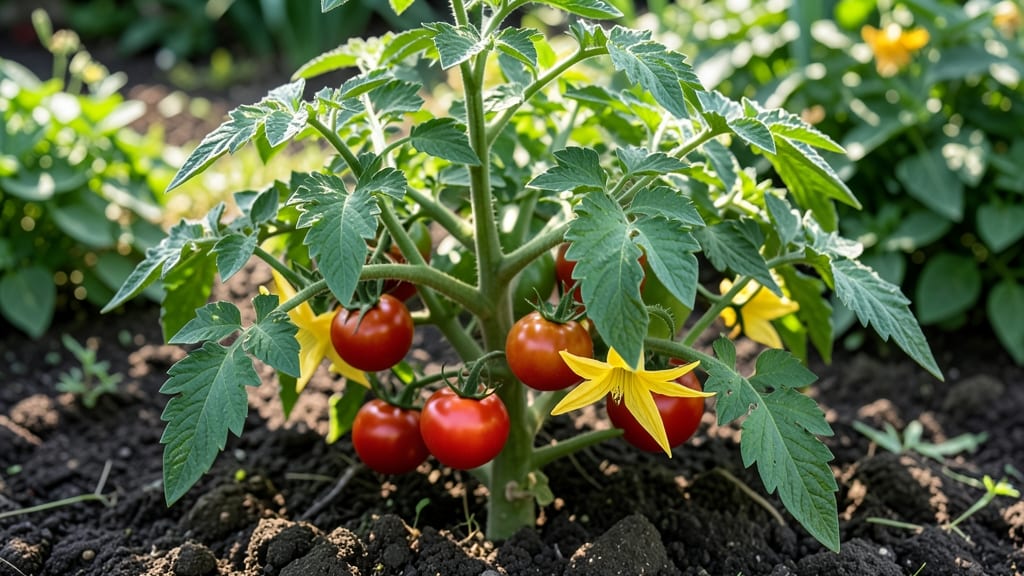
Mastering tomato plant leaf identification can save your harvest before problems even take root. 🌱 The moment you spot strange spots, curling edges, or yellowing between veins, you're holding the key to whether your plants thrive or wither—often before the issue spreads beyond control.
Most issues fall into three categories: fungal diseases (like early blight's concentric rings or bacterial spot's water-soaked marks), pest damage (spider mites leave stippled yellowing, aphids curl leaves), or nutrient deficiencies (magnesium deficiency shows as yellow between veins).
I've seen firsthand how quickly a single leaf can reveal the whole story—if you know what to look for. You'll learn to spot these symptoms in seconds, then take immediate action: prune infected leaves, adjust watering, or introduce beneficial insects.
The goal isn't to treat every problem—it's to catch them early enough that your plants bounce back stronger than before. This guide cuts through the confusion so you can diagnose faster than you can say "tomato blight." Let's get those leaves talking to you instead of screaming at you.
Root Causes of Leaf Trouble
Understanding why tomato plant leaves develop unusual spots, holes, or discoloration starts with identifying the real culprits—whether they’re microscopic invaders, environmental stressors, or simple nutritional gaps. Here’s a breakdown of the most common reasons your tomato leaves are sending up distress signals:
---
Fungal and bacterial infections are the #1 reason tomato leaves develop unsightly symptoms. These pathogens thrive in warm, humid conditions and can spread rapidly if left unchecked.
- Early Blight (Alternaria solani) - Why it happens: The fungus Alternaria solani survives in soil and plant debris, infecting leaves through wounds or natural openings (like stomata).
It thrives in high humidity and temperatures between 75–85°F (24–29°C). - How to spot it: Brown, concentric "target-like" spots with yellow halos appear on older leaves first.
Spots may develop gray centers as the fungus matures. - Actionable fix: Remove infected leaves immediately, space plants for airflow, and apply copper fungicide preventatively. Avoid overhead watering.
- **Late Blight (Phytophthora infestans) - Why it happens: This aggressive water mold spreads via wind, water splashes, and infected plant material.
It loves cool (60–75°F / 15–24°C), wet conditions—perfect for early morning dew or rainy seasons. - How to spot it: Dark, greasy-looking spots with white or purplish edges appear on leaves, stems, and even fruit.
Leaves may collapse rapidly. - Actionable fix: Remove all infected plants (don’t compost them!) and apply copper fungicide or a biological control** like Phytophthora-resistant tomato varieties. Mulch with straw to reduce soil splashes.
- **Bacterial Spot (Xanthomonas perforans) - Why it happens: Bacteria enter leaves through rain splashes or insect damage, multiplying in warm, humid weather (75–90°F / 24–32°C).
They clog plant tissues, leading to water-soaked lesions. - How to spot it: Tiny, watery brown spots with yellow edges that enlarge and develop ragged, greasy edges. Spots may merge, causing leaf death. - Actionable fix: Use copper bactericide (not fungicide!) and avoid overhead irrigation.
Prune for airflow and sterilize pruners with rubbing alcohol.
---
Insects don’t just munch—they inject toxins, spread diseases, and stress plants, triggering leaf damage as a secondary effect.
- Aphids & Spider Mites - Why it happens: These tiny sap-suckers inject saliva into leaves, disrupting nutrient flow.
They thrive in dry, dusty conditions (mites) or crowded plants (aphids). - How to spot it: Yellow stippling (tiny dots) on leaves (mites), or curled, sticky leaves with black sooty mold (aphids). - Actionable fix: Blast leaves with water to dislodge pests, or use neem oil or insecticidal soap.
Introduce ladybugs or lacewings for natural control.
- Tomato Hornworms - Why it happens: These caterpillars (up to 4 inches long!) devour leaves overnight, leaving behind large, ragged holes.
They’re drawn to healthy, lush tomato plants with abundant foliage. - How to spot it: Skeletonized leaves (veins remain) and green, black-striped caterpillars hiding on the undersides. - Actionable fix: Handpick at night (they’re most active then) or use Bt (Bacillus thuringiensis), a natural bacterial pesticide.
- Whiteflies - Why it happens: These tiny white moths cluster on leaf undersides, sucking sap and excreting honeydew (a sticky residue that attracts sooty mold). - How to spot it: Sticky leaves, yellowing, and visible whiteflies fluttering when disturbed. - Actionable fix: Yellow sticky traps or spray with soapy water (1 tsp mild soap per quart of water).
---
Sometimes, weather and growing conditions directly damage leaves—no pests or diseases needed.
- Heat Stress (Sun Scorch) - Why it happens: Intense sunlight + high temps (above 90°F / 32°C) cause oxidative damage to leaf cells, especially on young, tender leaves. - How to spot it: White or bleached patches on leaf edges, often on exposed sides.
Leaves may crisp or curl. - Actionable fix: Provide afternoon shade (use shade cloth) and mulch heavily to keep roots cool. Avoid transplanting seedlings in peak sun.
- Cold Damage (Frost or Chill) - Why it happens: Temperatures below 50°F (10°C) slow plant processes, while frost (32°F / 0°C) kills cells, causing water-soaked or blackened spots. - How to spot it: Dark, mushy patches or silver-gray discoloration on leaves.
New growth may fail to emerge. - Actionable fix: Cover plants with row fabric before frost or use cloches (glass jars) for young seedlings.
- Water Issues (Over/Under-Watering) - Why it happens: Overwatering leads to root rot (fungal), which starves leaves of oxygen, causing yellowing. Underwatering causes wilting, crispy edges, and nutrient deficiencies. - How to spot it: - Overwatering: Yellow lower leaves, mushy stems, fungal growth at soil line. - Underwatering: Dry, brittle leaves, curling edges, soil pulling away from pot. - Actionable fix: Water deeply but infrequently (1–2 inches per week) and improve drainage with perlite or raised beds.
---
Tomato leaves scream for help when they’re missing key nutrients, often due to poor soil or imbalanced fertilizers.
- Nitrogen Deficiency (Pale, Yellow Leaves) - Why it happens: Nitrogen is essential for chlorophyll, and plants deplete it quickly in warm weather. Overwatering or leaching washes it away. - How to spot it: Older leaves turn yellow (starting at tips) while veins stay green.
Stunted growth. - Actionable fix: Apply compost or blood meal (high-nitrogen organic fertilizer). Avoid synthetic fertilizers that burn roots.
- Magnesium Deficiency (Interveinal Chlorosis) - Why it happens: Compacted or acidic soil locks out magnesium, which is mobile in plants but often tied up in cold, wet conditions. - How to spot it: Yellow patches between veins (like a net) on older leaves first.
Brown edges may develop. - Actionable fix: Spray leaves with Epsom salt solution (1 tbsp per gallon) or add dolomitic lime to soil.
- Potassium Deficiency (Brown Leaf Edges) - Why it happens: Potassium regulates water and disease resistance. Over-fertilizing with nitrogen or poor soil can deplete it. - How to spot it: Brown, crispy edges on older leaves, with yellowing between veins.
Weak stems. - Actionable fix: Use potassium-rich fertilizers like wood ash or banana peel tea (steep peels in water for 24 hours).
--- Pro Tip: 💡 Keep a "leaf diary"—note symptoms, weather, and treatments. Patterns (like spots after rain or yellowing after fertilizer) reveal the real cause** faster than guesswork!
Fixing Tomato Leaf Troubles
Now that you’ve identified the culprit behind your tomato plant’s leaf woes, it’s time to take action! Whether it’s pesky pests, fungal infections, or environmental stress, each issue has a targeted solution.
Below, we’ve mapped out practical fixes for common tomato leaf problems, along with prevention tips to keep your plants thriving. Let’s get those leaves back to their vibrant best!
---
Pests like aphids, spider mites, and hornworms can wreak havoc on your tomato leaves faster than you can say “salsa night.” Here’s how to evict them for good:
#### 🔥 Aphids & Spider Mites: Blast Them Away - 🍳 Spray with Soapy Water – Mix 1 tablespoon of mild dish soap (like Dawn) with 1 quart of water. Spray directly on infested leaves, focusing on the undersides where pests hide.
Repeat every 3–4 days until they’re gone. - 👨🍳 Introduce Beneficial Insects – Ladybugs and lacewings are natural predators of aphids.
Release them in the evening when they’re most active. - 🥘 Neem Oil Treatment – Mix 1 teaspoon of neem oil with 1 quart of water and a drop of dish soap. Spray on leaves (test a small area first). Neem disrupts pests’ life cycles and deters future infestations.
💡 Pro Tip: If mites are present, increase humidity around your plants—dry conditions make them thrive!
#### 🍅 Hornworms & Caterpillars: Manual Removal - 🔪 Handpick Them Off – Check leaves daily, especially in the morning. Drop them into a bucket of soapy water to prevent them from crawling back. - 🎯 Use Bt (Bacillus thuringiensis) – This organic bacteria kills caterpillars when ingested.
Spray on leaves as a preventive measure.
---
Fungal infections like early blight, late blight, and powdery mildew love damp leaves. Here’s how to nip them in the bud:
#### 🌡️ Early & Late Blight: Prune & Protect - ⏰ Prune Infected Leaves Immediately – Remove and dispose of (do not compost) any yellowing or spotted leaves.
Sterilize pruners with rubbing alcohol between cuts. - 🌿 Improve Air Circulation – Space plants 18–24 inches apart and stake them to reduce humidity near leaves. - 💊 Copper Fungicide Spray – Apply a preventative spray (like Bonide Copper Fungicide) every 7–10 days, especially after rain or watering.
✨ Prevention Tip: Water at the base of the plant in the morning to keep leaves dry.
#### 🍫 Powdery Mildew: Scrub & Spray - 🧼 Baking Soda Solution – Mix 1 tablespoon of baking soda, 1 teaspoon of dish soap, and 1 quart of water.
Spray on leaves weekly to prevent mildew. - 🍃 Sulfur Dust – Lightly dust sulfur on leaves (follow package instructions) for a natural fungicide.
---
Sometimes, leaves suffer from overwatering, underwatering, or nutrient deficiencies. Here’s how to fix it:
#### 💧 Overwatering or Poor Drainage: Let Them Breathe - 🔥 Check Soil Moisture – Stick your finger 1–2 inches into the soil. If it’s soggy, hold off on watering. - 🪴 Improve Drainage – Amend heavy soil with compost or perlite.
Ensure pots have drainage holes. - 🌱 Mulch Properly – Use straw or shredded leaves to retain moisture without suffocating roots.
#### 🍽️ Nutrient Deficiencies: Feed Your Plants - 📊 Yellow Leaves (Nitrogen Deficiency)? – Apply a balanced fertilizer (like 10-10-10) or compost tea. - 💪 Purple Stems (Phosphorus Deficiency)? – Use a phosphate-rich fertilizer (like bone meal) or fish emulsion. - 🍎 Weak Growth (Potassium Deficiency)? – Add wood ash or a potassium sulfate supplement.
💡 Pro Tip: Test your soil every 2–3 years to identify specific deficiencies!
---
No matter the issue, consistent care is key: - 🌿 Rotate Plants – Avoid planting tomatoes in the same spot yearly to prevent soil-borne diseases. - 🌞 Provide 6–8 Hours of Sun – Tomatoes need full sun to stay healthy and productive. - 🧹 Clean Up Debris – Remove fallen leaves and weeds to reduce pest/disease hiding spots.
--- By following these targeted fixes, your tomato plants should bounce back stronger than ever. Keep an eye on those leaves, and soon you’ll be harvesting juicy, disease-free tomatoes for your favorite recipes! 🍅🔥
Frequently asked questions
How can I tell if my tomato plant leaves are diseased versus just stressed?
Diseased leaves often show distinct patterns like concentric rings (early blight) or greasy spots (late blight), while stressed leaves may have general yellowing or curling without clear markings. Check for other clues: fungal spots usually appear on lower leaves first, while stress symptoms often start on newer growth. If you see black spots with yellow halos or water-soaked patches, it's likely a disease.
What’s the difference between spider mite damage and nutrient deficiency?
Spider mites leave tiny yellow stipples (like pepper dust) on leaves, often with visible webbing underneath. Nutrient deficiencies (like magnesium) cause yellowing between veins that looks like a net pattern. The key difference? Mite damage is usually localized to specific leaves, while deficiencies affect the whole plant gradually.
Can I still save my tomato plant if half the leaves are infected with blight?
Yes, but act fast! Prune all infected leaves (don’t compost them!) and apply copper fungicide immediately. The plant can survive with fewer leaves—focus on keeping the upper, healthy foliage for fruit production. Space remaining plants wider to improve airflow and reduce humidity around leaves.
Why do my tomato leaves curl up at night but look fine during the day?
This is called nocturnal leaf curling and is usually harmless! It happens when the plant conserves water overnight (a natural survival mechanism). However, if leaves stay curled all day or show signs of wilting, it could indicate underwatering, heat stress, or pest damage (like spider mites). Check soil moisture and inspect leaf undersides.
How do I know if my tomato plant has a pest problem versus a disease?
Pests leave physical evidence: holes (hornworms), sticky residue (aphids), or webbing (mites). Diseases show spots, discoloration, or unusual textures (like greasy patches). Look closely: pests often hide on leaf undersides, while diseases spread across entire leaf surfaces. If you see tiny moving creatures, it’s pests; if leaves feel slimy or have strange patterns, it’s likely a pathogen.