
Planting
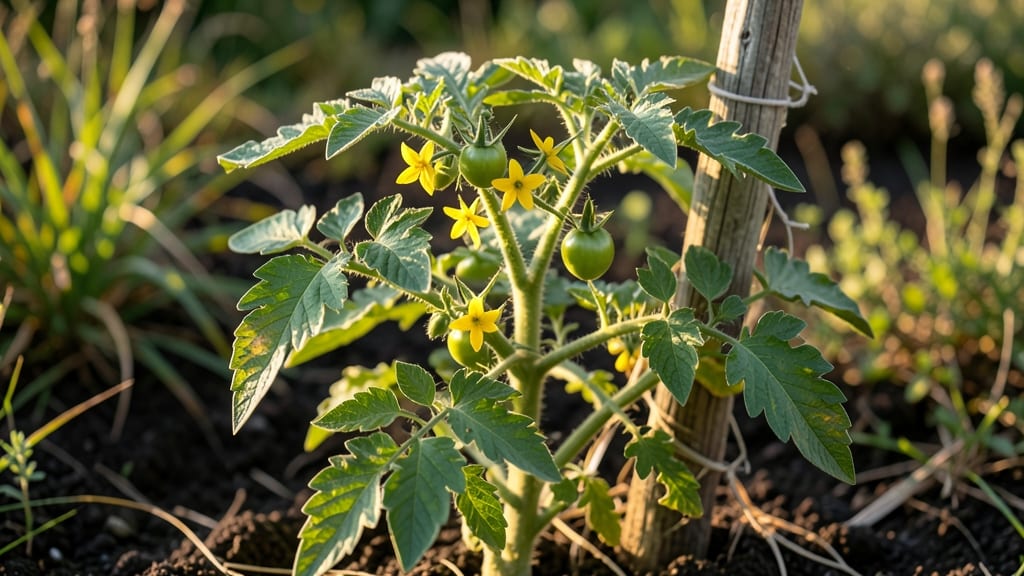
When you see the tomato plant leaves pointing up, your plant is essentially signaling distress—often from heat stress, nutrient starvation, or hidden pests before disease sets in. 🌱 I’ve seen this happen after a sudden heatwave or when gardeners over-fertilize with too much nitrogen. The good news?
It’s fixable, and I’ll show you how to diagnose the real problem in under 10 minutes. Start by checking the undersides of leaves for spider mites or aphids, then feel the soil—if it’s bone-dry, water deeply and shade the plant for a few days. Yellowing leaves with upward curls?
You’re likely missing potassium. A balanced 5-10-10 fertilizer (1 tablespoon per gallon of water) usually turns things around in a week. The key is acting fast—once blight or mites take hold, the plant fights back with curling leaves as a last resort.
I’ve saved plants from this stage by combining neem oil sprays for pests and mulching to keep roots cool. Your tomatoes can bounce back, but you’ve got to catch it early. This works for container tomatoes, raised beds, or in-ground plants—just adjust watering based on your setup.
Let’s get those leaves flopping back down where they belong.
Hidden Stressors Behind Upward Leaves
When your tomato plant’s leaves start pointing skyward like eager sun-worshippers, it’s rarely a coincidence—it’s a cry for help. Understanding the root causes (literally and figuratively) is the first step to restoring those lush, horizontal canopies.
Below, we break down the most common culprits, why they trigger this upward tilt, and what’s happening at the cellular level to send your plant into panic mode.
Tomato plants are thirsty but sensitive—they despise extremes. When leaves point upward, it’s often a sign of water stress, whether from drought or overwatering.
- Underwatering:
When soil dries out, roots struggle to absorb moisture, triggering a physiological drought response. The plant conserves water by reducing leaf surface area exposed to the air—hence the upward curl.
Cells in the leaf lose turgor pressure (the hydraulic "fullness" that keeps them plump), causing them to fold like a wilting paper flower.
💡 Pro Tip: Stick your finger 2 inches into the soil. If it’s bone-dry, it’s time to water deeply (1–2 inches per week, depending on climate). Use a drip irrigation system or soaker hose to deliver water slowly at the roots—never overhead.
- Overwatering:
Too much water suffocates roots by cutting off oxygen, leading to root rot (often caused by Phytophthora or Pythium fungi).
When roots can’t function, the plant transports nutrients inefficiently, and leaves curl upward as a misguided attempt to "escape" the soggy conditions. Yellowing between leaf veins (chlorosis) often accompanies this.
💡 Pro Tip: Ensure pots have drainage holes and use well-draining soil mixes (add perlite or compost). Let the top inch of soil dry out between waterings. If your plant is already waterlogged, pause watering for 3–5 days to let roots recover.
Tomato leaves aren’t just pointing up—they’re screaming for shade. Intense sunlight or rapid temperature swings can cause photoinhibition, where the plant’s photosynthetic machinery gets overwhelmed.
- Direct Sunburn:
When leaves bake under 100°F+ (38°C+) temperatures, their cuticle (waxy outer layer) can crack, and cells lose moisture faster than they can replace it. The upward curl is the plant’s way of minimizing surface area to reduce water loss—a survival tactic called leaf rolling.
Severe cases may show white or brown scorch marks.
💡 Pro Tip: Provide afternoon shade (especially in hot climates) with shade cloth (30–50%) or temporary row covers. Mulch heavily (straw or wood chips) to keep roots cool. Varieties like ‘Solar Fire’ or ‘Heatmaster’ are bred for heat tolerance.
- Temperature Fluctuations:
Tomatoes thrive in 70–85°F (21–29°C) but hate sudden drops below 50°F (10°C) or spikes above 95°F (35°C). Cold nights or hot afternoons can disrupt stomatal function (the tiny pores that regulate gas exchange). When stomata close erratically, leaves curl upward to conserve water and energy.
💡 Pro Tip: Use row covers at night in cool climates or black plastic mulch to warm soil. In extreme heat, mist leaves lightly in the early morning to boost humidity (but avoid evening misting to prevent disease).
Not all leaf curl is environmental—some of the worst culprits are tiny, hungry invaders that drain sap and inject toxins. Here’s how pests turn your tomato’s leaves into upward-pointing flags of distress.
- Spider Mites:
These microscopic arachnids (not insects!) pierce cells to suck out sap, causing leaves to curl upward and stiffen. Their feeding disrupts chloroplast function, leading to yellow stippling (tiny white/yellow dots). Severe infestations can cause bronzing (a rusty-red color) on undersides.
💡 Pro Tip: Blast mites off with a strong spray of water (they hate humidity). Introduce predatory mites (Phytoseiulus persimilis) or spray with neem oil (1 tsp per quart of water) weekly. Yellow sticky traps help monitor populations.
- Aphids or Whiteflies:
These sap-sucking insects inject saliva that distorts leaf growth, causing new leaves to cup upward or become puckered. Heavy infestations lead to sticky honeydew (aphid waste) and sooty mold (black fungal growth).
💡 Pro Tip: Knock pests off with a forceful water spray in the early morning. Use insecticidal soap or kaolin clay as a barrier. Ladybugs and lacewings are natural predators—encourage them with dill or fennel plants nearby.
- Tomato Hornworms:
While they devour leaves, their frass (droppings) and oral secretions can cause localized curling and upward growth as the plant tries to seal off damage. Look for large green caterpillars with white stripes and black "horns".
💡 Pro Tip: Handpick worms at night (they’re less active) or use Bt (Bacillus thuringiensis), a natural bacteria that kills caterpillars without harming beneficial insects.
Leaves curling upward can signal specific nutrient shortages that disrupt cell wall integrity and hormone balance. Here’s what’s missing—and how to fix it.
| Nutrient | Why It Causes Upward Leaves | How to Diagnose | Quick Fix |
|---|---|---|---|
| Nitrogen (N) | Nitrogen fuels leaf growth and chlorophyll. Without it, old leaves yellow between veins (chlorosis), and new growth curls upward to conserve energy. | Yellowing lower leaves first
Fixing Upright Tomato Leaves FastWhen your tomato plant’s leaves start pointing upward like little green flags, it’s a sign your plants are sending—don’t ignore it! The good news? Most causes have simple, actionable fixes. Below, we break down exact solutions for each common trigger, plus prevention tips to keep your tomatoes thriving. Let’s get your plants back to their lush, productive best! --- Fix: Drainage is everything—literally. If your soil stays soggy, roots suffocate, and leaves curl upward in distress. 1. 👨🍳 Check the Soil Stick your finger 1–2 inches into the soil. If it’s damp, hold off on watering. Tomato roots prefer consistently moist but not waterlogged soil. 2. 🔪 Improve Drainage - Add perlite, sand, or compost to heavy clay soil to loosen it up. - If potted, ensure containers have drainage holes and elevate them slightly. 3. ⏰ Adjust Your Watering Routine - Water deeply 1–2 times per week (early morning is best) instead of daily light sprinkles. - Use a soaker hose or drip irrigation to deliver water directly to the roots. 💡 Pro Tip: Mulch around your plants with straw or wood chips to retain moisture without drowning the roots. --- Fix: When temps soar (above 90°F/32°C), tomato leaves can wilt upward to reduce sun exposure—a survival tactic. 1. 🌿 Provide Shade Cloth - Use 30–50% shade cloth during peak afternoon sun (12 PM–4 PM). - Alternatively, lightweight row covers work in a pinch. 2. 💦 Increase Humidity - Mist leaves early in the day (avoid evening to prevent fungal issues). - Place a shallow tray of water near the plant to boost humidity. 3. 🍅 Adjust Plant Placement - Move potted tomatoes to a slightly shadier spot (e.g., under a patio cover). - For in-ground plants, plant near taller crops (like corn or sunflowers) for natural shade. ✨ Prevention: Choose heat-tolerant varieties like ‘Solar Fire’ or ‘Heatmaster’ if you live in a hot climate. --- Fix: Tiny pests suck sap, causing leaves to curl upward as the plant conserves energy. 1. 🔍 Inspect Leaves - Flip leaves to spot sticky residue (honeydew), tiny webs, or crawling bugs. 2. 🚿 Blast Off Pests - Spray with water (forceful stream from a hose) to knock off aphids/mites. - Neem oil spray (mix 1 tbsp neem oil + 1 tsp mild soap + 1 quart water) for stubborn infestations. 3. 🌿 Introduce Beneficial Bugs - Ladybugs and lacewings eat aphids naturally—buy them online or attract them with dill or fennel nearby. 🎯 Prevention: Rotate crops yearly and remove weeds (they harbor pests). --- Fix: Fungal spores thrive in damp conditions, causing yellowing and upward curling as leaves die. 1. 🧼 Clean Up Debris - Remove fallen leaves and prune infected foliage (sterilize pruners with rubbing alcohol). 2. 🍄 Apply Fungicide - Copper fungicide or baking soda spray (1 tbsp baking soda + 1 tsp oil + 1 gallon water) can help. - Preventative sprays every 7–10 days during rainy seasons. 3. 🌬️ Improve Airflow - Space plants 18–24 inches apart and prune lower leaves to reduce humidity near the soil. 💡 Pro Tip: Water at the base (not overhead) to keep leaves dry. --- Fix: Curling leaves can signal a hunger for key nutrients, especially if edges turn yellow (nitrogen) or brown (potassium). 1. 📊 Test Your Soil - Use a DIY soil test kit (available at garden centers) or send a sample to a local extension office. 2. 🍽️ Feed Your Plants - For nitrogen (leafy growth): Add compost, fish emulsion, or blood meal. - For potassium (fruit development): Use banana peel tea or greensand. 3. 🌿 Balance Fertilizer - Avoid over-fertilizing—stick to a balanced 10-10-10 or 5-5-5 formula every 3–4 weeks. 🔥 Quick Fix: Epsom salt (1 tbsp per gallon of water) can boost magnesium, which aids potassium uptake. --- Fix: If roots circle the pot or compete for space, leaves may curl upward as the plant struggles. 1. 📏 Check Root Growth - Gently remove the plant from its pot—if roots wrap around the edges, it’s time to upgrade. 2. 🪴 Repot or Transplant - Move to a container 2–4 inches larger (tomatoes hate being root-bound). - For in-ground plants, loosen soil around roots before replanting. 3. 🌿 Prune Roots (If Necessary) - If roots are severely tangled, trim 1/3 of the root ball before repotting. ⏰ Best Time: Transplant in early morning or late afternoon to reduce stress. --- - 🍅 Prune Damaged Leaves: Focus energy on healthy growth by trimming severely curled leaves. - 🌱 Support Plants: Use cages or stakes to prevent stress from wind or fruit weight. - 📅 Monitor Daily: Check leaves every 2–3 days—early action = faster recovery! --- Remember: Most upward-curling issues are reversible with quick fixes. The key is acting fast and addressing the root cause (literally!). 😉 Now go give those tomatoes the TLC they deserve—they’ll reward you with juicy, disease-resistant fruit in no time. Frequently asked questions
1
Why do my tomato leaves suddenly point upward?This is your plant's way of signaling distress from water stress, heat, or pests. When soil is too dry or too wet, leaves curl upward to conserve moisture. Extreme heat (above 90°F/32°C) or pests like spider mites also trigger this response as the plant tries to protect itself. Check soil moisture and inspect leaf undersides for tiny webs or bugs.
2
Is upward-curling always bad for tomato plants?Not necessarily! Mild curling can happen with normal daily temperature fluctuations, but persistent upward leaves indicate a problem. If leaves stay curled for more than 2-3 days or show yellowing/browning, it's time to investigate watering, sunlight exposure, or pest presence. Healthy tomato leaves should be flat and slightly cupped, not rigidly upward.
3
How can I tell if my tomato plant needs water or fertilizer?Check the soil first: if it's bone-dry 2 inches down, water deeply. For fertilizer needs, look at leaf color - yellowing between veins suggests nitrogen deficiency, while brown edges indicate potassium issues. A simple soil test kit can confirm what your plants truly need before adding amendments.
4
Will pruning help with upward-curling leaves?Pruning alone won't fix the root cause, but it can help! Remove severely curled or diseased leaves to redirect energy to healthy growth. Focus on pruning lower leaves to improve airflow and reduce humidity near the soil. Pair pruning with addressing the actual issue (water, pests, etc.) for best results.
5
Can upward-curling leaves spread to other tomato plants?Only if the cause is contagious pests or diseases. Spider mites, aphids, or fungal spores can spread to nearby plants. Isolate affected plants immediately and treat them separately. Always sterilize pruning tools between plants to prevent cross-contamination. Healthy plants with proper spacing (18-24 inches apart) are less vulnerable to spread. |