Planting
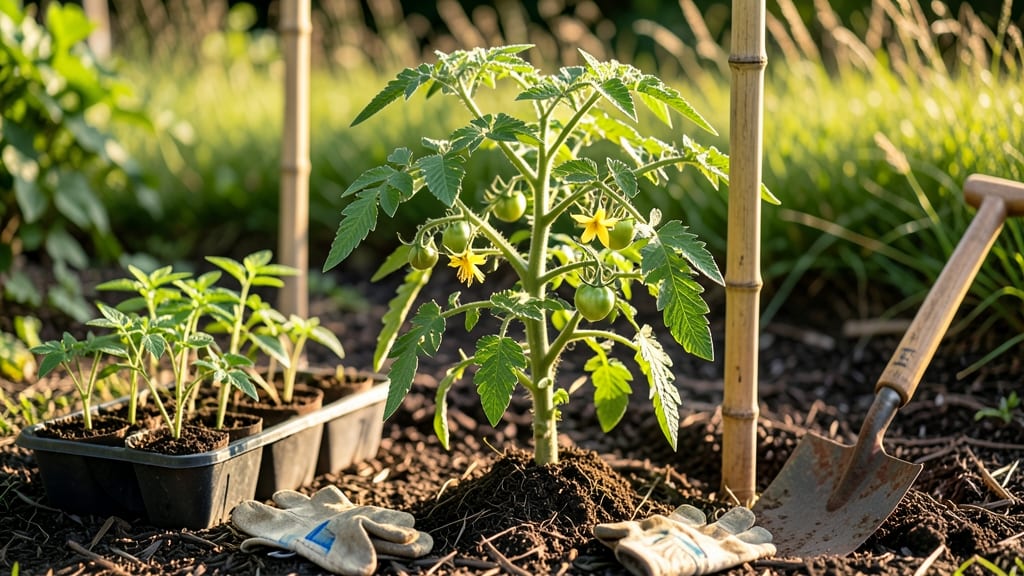
Timing the tomato planting season right is the difference between a garden full of 🍅 and a sad, frost-nipped disappointment.
Picture this: you’ve got your seedlings ready, the soil is prepped, and then—BAM—a late frost hits. One wrong move, and your hard work turns into a sad, wilted mess. That’s why knowing your USDA zone and frost dates isn’t just helpful—it’s non-negotiable for a successful harvest.
From the chilly north to the balmy south, the perfect planting window shifts dramatically. In cooler zones like 6a, you’ll want to wait until after the last frost—usually mid-April—while warmer climates can start as early as February.
But it’s not just about the calendar; soil temperature and sunlight play a role too.
In this guide, I’ll break down the exact planting windows by zone, share tricks to extend your season, and help you avoid the costly mistakes that turn hopeful gardeners into frustrated ones. Let’s get those tomatoes in the ground at the right time—for a harvest that’ll make your neighbors jealous.

Tomato planting season by USDA zone: exact start dates for frost-free growth
Getting your tomato planting season right is all about avoiding late frosts while ensuring soil warmth—two critical factors that make or break your harvest. Tomatoes thrive when nighttime temperatures stay above 50°F and soil reaches at least 60°F for transplanting.
Plant too early, and frost will kill your seedlings; too late, and you’ll miss peak harvest season. Let’s break down the exact planting windows by USDA zone to give your tomatoes the best possible start.
Your local last frost date is your golden rule, but soil temperature matters more than air temperature. Use a soil thermometer to confirm readiness—60°F for seedlings, 70°F for direct sowing. In cooler zones, start seeds indoors 6-8 weeks before transplanting.
In warmer zones, you might even get two harvests by planting early and late varieties. Let’s dive into the zone-by-zone details to pinpoint your perfect planting window.
In USDA Zones 3-4, where frost lingers late, focus on transplanting after mid-May when soil warms to 60-65°F. Use black plastic mulch to speed up soil warming and protect seedlings. For direct sowing, wait until late May to June when nighttime temps stay above 50°F.
These zones have the highest frost risk, so always have row covers ready for unexpected cold snaps.
Gardeners in Zones 5-6 enjoy a slightly longer window, with transplanting possible from late April to mid-May. Aim for soil temps of 60-68°F—cooler than southern zones but still ideal for seedling growth.
Direct sowing can start as early as early May, but monitor 10-day forecasts for frost warnings. In these zones, early-maturing varieties like 'Early Girl' or 'Stupice' are excellent choices to avoid late-season frost cutting harvests short.
Warmer climates in Zones 7-8 allow for early starts, with transplanting as soon as March in Zone 8. Soil should be at least 65°F for best results. Direct sowing can begin in April, giving you a head start on the season.
These zones also support succession planting—sow new seeds every 2-3 weeks for continuous harvests. Heat-loving varieties like 'Celebrity' or 'Solar Fire' thrive here, but watch for blossom drop if daytime temps exceed 90°F.
In Zones 9-10, tomatoes can be planted year-round, but peak seasons are February to March for transplants and February to April for direct sowing. Soil should be 70-75°F for optimal growth.
These zones benefit from fall planting too—sow seeds in August for harvests before winter rains. Varieties like 'Heatmaster' or 'Solar Set' are bred for high
How to extend your tomato planting season for earlier or later harvests
Don't let your USDA zone limit your tomato harvest! With the right strategies, you can push your planting season earlier or later than usual—adding weeks to your fruit production.
Whether you're dealing with late spring frosts or early fall chills, these methods will help you maximize yield while protecting your plants.
Tomatoes thrive in warm soil and consistent temperatures, but that doesn't mean you're stuck with the traditional planting window. By using season-extending tools like cold frames, row covers, or greenhouses, you can create microclimates that shield your plants from unpredictable frost and cool nights.
Even in Zone 3, gardeners are harvesting tomatoes by July!
- Cold Frames: Use low tunnels or hoop houses to warm soil by 10-15°F. Plant 4-6 weeks earlier than usual—ideal for spring starts in cool climates.
- Row Covers: Lightweight floating row covers protect seedlings from light frosts (28-32°F). Remove during daytime warmth to prevent overheating—perfect for late fall harvests.
- Greenhouses: Extend the season by 2-3 months on either end. Use ventilation to avoid heat stress and plant heat-tolerant varieties like 'Solar Fire' for summer harvests.
- Succession Planting: Stagger planting dates every 2 weeks for continuous harvests. Use fast-maturing varieties (55-60 days) like 'Early Girl' to fill gaps between early and late crops.
- Black Plastic Mulch: Warms soil 5-10°F faster than bare earth. Combine with drip irrigation to maintain moisture levels—critical for early spring or late fall starts.
For earlier harvests, focus on soil warming techniques. Install a cold frame over your planting bed in late winter to capture sunlight and raise soil temperatures. By the time you're ready to plant, the ground will be 60°F+, the ideal temperature for tomato roots.
Pair this with row covers for the first 2-3 weeks to shield young plants from late frosts.
If you're aiming for later harvests, prioritize shade cloth and drip irrigation to combat summer heat stress. Choose heat-tolerant varieties like 'Heatmaster' or 'Solar Fire' and plant in partial shade during peak afternoon hours.
In Zone 7+, you can even extend harvests into October or November with row covers and mulch.
Don't forget about succession planting—this is the secret to a non-stop tomato harvest. Instead of planting all your seeds at once, space them out every 2-3 weeks throughout the growing season.
This ensures you always have mature plants producing fruit, even if the first batch gets hit by early frost. Use fast-maturing varieties for the latest plantings to guarantee a second harvest before winter sets in.
With these strategies, you can turn your tomato garden into a year-round producer—no matter your USDA zone. Start experimenting with season extenders this year, and you'll be enjoying homegrown tomatoes weeks longer than your neighbors! 🌱🍅