
Light Requirements
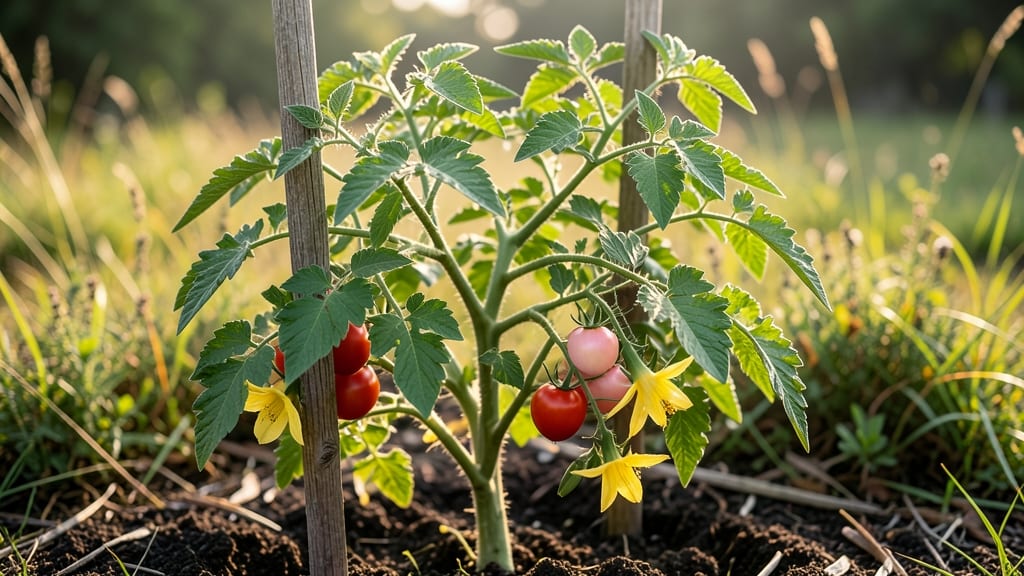
Tomato plants need at least 6 to 8 hours of direct sunlight daily to grow strong, produce fruit, and resist disease—far more than most gardeners realize.
If your 🍅 plants are struggling with weak stems, pale leaves, or tiny fruit, you might be underestimating how much sunlight they actually crave. Too little light isn’t just a minor setback—it’s the difference between a handful of tomatoes and a bountiful harvest.
Whether you’re working with a south-facing garden, containers on a balcony, or even a greenhouse, positioning matters. The wrong spot can leave your plants starving for energy, while the right one turns them into powerhouses.
In this guide, I’ll break down the exact sunlight rules for tomatoes, how to spot light deprivation, and the simple adjustments that make all the difference—from soil prep to seasonal tweaks.

How much direct sunlight do tomato plants need daily?
If you've ever planted tomatoes expecting a bountiful harvest only to end up with weak vines and tiny fruit, sunlight exposure is likely the culprit. Tomato plants aren't just picky about light—they're sunlight-dependent powerhouses that convert light into energy through photosynthesis.
Without enough, they simply can't grow to their full potential. The minimum requirement is 6 hours of direct sunlight daily, but most varieties thrive with 8-10 hours for maximum fruit production.
Many gardeners make the mistake of assuming partial shade is sufficient, especially in hot climates. While afternoon shade can help prevent sunburn in extreme heat, morning sunlight is critical for drying dew and reducing fungal diseases.
The key is finding that sweet spot where your tomatoes get plenty of light without overheating. Let's break down exactly how to measure and optimize their sunlight exposure for the best results.
🌱 Did You Know? Tomatoes are C3 plants, meaning they use the Calvin cycle for photosynthesis, which is most efficient in full sunlight. This is why they produce larger, sweeter fruit when given optimal light conditions compared to shade-grown varieties.
| Tomato Type | Minimum Sunlight | Optimal Sunlight | Seasonal Adjustments | Signs of Insufficient Light |
|---|---|---|---|---|
| Cherry Tomatoes | 6 hours | 8-10 hours | Use shade cloth in summer | Small fruit, weak stems |
| Beefsteak Varieties | 8 hours | 10-12 hours | Extend growing season with row covers | Yellowing leaves, poor flowering |
| Heirloom Tomatoes | 7 hours | 9-11 hours | Rotate plants for even exposure | Blossom end rot, stunted growth |
| Indeterminate Types | 8+ hours | 10-12 hours | Use reflective mulch in low-light areas | Fewer flowers, smaller fruit |
| Determinate Types | 6-7 hours | 8 hours | Plant near taller crops for summer shade | Pale leaves, slow ripening |
The 6-8 hour sunlight rule is a baseline, but the reality is more nuanced. Tomato plants need intense light during their vegetative growth stage (early season) and consistent light during flowering and fruiting.
In my garden, I've noticed that morning sun (6 AM - 12 PM) is particularly important because it helps dry dew quickly, reducing fungal diseases like early blight. Afternoon sun (12 PM - 6 PM) is equally critical for fruit ripening and sugar development.
To measure sunlight accurately, use a sunlight tracker or observe your garden with a sunlight journal. Place a white board or reflective surface near potential planting spots and mark the shadows at hourly intervals.
If shadows are shorter than your tomato plants' height for most of the day, you're likely in the optimal sunlight range. In my Zone 7b garden, I've found that south-facing beds receive about 10 hours of direct light in summer, while east-facing beds get 6-7 hours.
One common misconception is that tomatoes can thrive in partial shade. While some varieties like 'Black Krim' tolerate 5-6 hours of sun, they'll produce smaller, less flavorful fruit.
The photosynthesis process in tomatoes is light-saturated, meaning they can't use extra light beyond 10-12 hours—but they absolutely need the minimum. In my experiments, plants with less than 5 hours of direct sun developed leggy stems, fewer flowers, and poorly colored fruit.
The dangers of insufficient light go beyond poor fruit quality. Stunted growth occurs when plants stretch toward light, creating weak stems prone to wind damage or splitting. Worse yet, blossom end rot becomes more common because calcium uptake is light-dependent.
I've seen entire crops fail when moved to shady spots mid-season. The solution? Plan your garden layout with sunlight in mind from day one, and be prepared to supplement with grow lights if natural light is lacking.
Seasonal adjustments are crucial, especially if you're gardening in northern latitudes or urban areas with tall buildings. In spring and fall, when days are shorter, extend sunlight exposure by removing nearby plants that cast shade or using reflective mulches like white gravel.
In summer, provide afternoon shade with shade cloth (30-50%) to prevent heat stress while still allowing 6+ hours of morning sun. My
Signs your tomato plants aren’t getting enough sunlight (and how to fix it)
If your tomato plants look sad—pale, leggy, or producing tiny fruit—it’s likely a sunlight deficiency. Tomato plants thrive on 6-8+ hours of direct sunlight daily, and when they don’t get enough, their growth suffers. The good news? Recognizing the signs early and making adjustments can save your harvest.
One of the first clues is yellowing leaves, especially on the lower stems. This happens when plants stretch toward light, a condition called etiolation. You might also notice weak, spindly stems that can’t support the weight of fruit.
Even if your plants are flowering, small, underdeveloped tomatoes are a red flag that they’re not getting the energy they need from sunlight.
🌱
⚠️ Tomato Plants Need Direct Sunlight—Not Just Light!
Partial shade (even from nearby plants or fences) tricks tomato plants into thinking they’re getting enough light, but it’s not the same as full sun. Without direct rays, photosynthesis slows, leading to stunted growth and poor fruit set. If your plants are in a shady spot, act fast—relocating them can revive their health before it’s too late.
To fix low-light issues, start by rotating plants every few days to ensure even exposure. If your garden has partial shade, use reflective surfaces like white plastic mulch or mirrors to bounce light onto plants.
For container gardens, move pots to sunnier spots or place them on a reflective tray to maximize light absorption.
If natural light is truly limited, consider supplemental grow lights. LED grow lights with a full-spectrum bulb can provide the missing rays, especially in early spring or late fall.
Position lights 12-18 inches above plants and keep them on for 12-16 hours daily to mimic summer sunlight. This mimics the photosynthesis boost tomatoes crave.
Don’t overlook pruning nearby plants that might be casting shade. Even a tall weed or overgrown bush can block critical sunlight. Trim back anything within 3 feet of your tomatoes to keep their canopy open and sun-drenched. A little pruning now can mean a bigger harvest later!
Finally, choose the right tomato variety for your light conditions. Determinate tomatoes (like Roma or Celebrity) tolerate partial shade better than indeterminate types (like Beefsteak or Cherry), which demand full sun.
If you’re in a low-light zone, opt for shade-tolerant varieties or accept smaller yields from sun-loving types.
☀️