Companion Plants
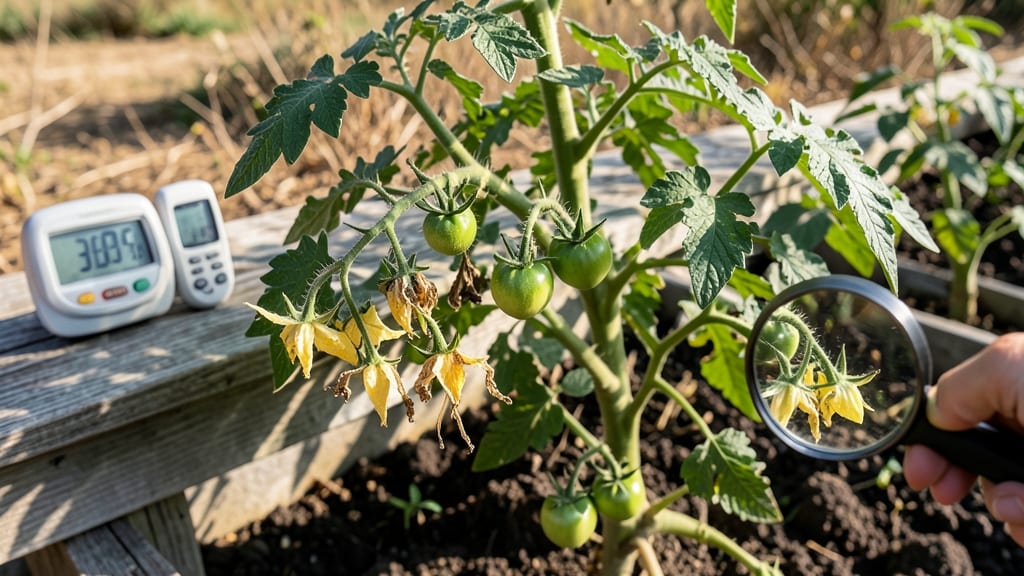
Tomato plants not setting fruit? That empty vine feeling is worse than a blank canvas—especially after all that nurturing. 🌱 I’ve stared at 6-foot-tall tomato plants with zero tomatoes and realized the problem wasn’t lack of effort, but missing pieces like heat, pollinators, or hidden deficiencies.
The good news? Three targeted fixes can turn that frustration into a bounty.
Heat waves above 85°F fry pollen, while shady spots leave flowers sterile. Blossom-end rot (those sunken, leathery spots) screams calcium deficiency, and pests like hornworms devour buds before they set fruit. Even overwatering or underwatering throws off the balance—too much and roots suffocate; too little and flowers abort.
The fixes start with simple checks: shade cloth for heat, Epsom salt for calcium, and a quick hand-pollination session with a paintbrush.
Once you spot the issue, the solutions are straightforward: prune suckers to improve airflow, add mulch to stabilize soil temps, and invite bees with companion plants like basil or marigolds.
Within 7–10 days, you’ll see blossoms swell into fruit—no more empty vines, just heavy clusters of ripe tomatoes. The key? Act fast before the problem compounds.
This works for both backyard gardens and containers, and the fixes prevent future failures. No more guessing—just a checklist to turn your tomato plants from decorative vines into productive powerhouses. Let’s get those fruits setting!
Root Causes Of Blossom Drop
Tomato plants not producing fruit can be frustrating, but understanding the why behind it is the first step to fixing it. 🌱🍅 Blossom drop—or flowers falling off before turning into fruit—happens due to a mix of environmental, physiological, and even genetic factors.
Below, we break down the top reasons your tomato plants might be struggling to set fruit, along with the science behind each issue.
---
Tomatoes are temperature-sensitive plants, and extreme heat or cold can prevent fruit from forming. Here’s how it works:
- Cold Stress (Below 55°F/13°C): - Tomatoes are tropical plants and struggle when nighttime temperatures dip too low. Below 55°F (13°C), pollen production slows or stops, preventing fertilization. - Solution: Use row covers or move pots to a sheltered spot if frost is a risk.
- Heat Stress (Above 90°F/32°C): - When daytime temps exceed 90°F (32°C), tomato flowers abort before pollination.
This is called "heat stress", and it’s common in summer. - Why? High heat causes male sterility—pollen grains fail to develop properly, so even if bees visit, fertilization can’t happen. - Solution: Provide shade cloth (30-50%), mulch to keep roots cool, and water deeply in the early morning to reduce heat stress.
---
Water plays a critical role in tomato fruit set. Both drought stress and overwatering can disrupt pollination and fruit development.
- Underwatering (Drought Stress): - When soil dries out, transpiration (water loss through leaves) increases, causing wilting—even temporarily. - Flowers abort because the plant prioritizes survival over reproduction. - Solution: Keep soil consistently moist (1-2 inches deep) but not soggy. Use drip irrigation for steady watering.
- Overwatering (Fungal Issues & Poor Pollination): - Excess moisture weakens stems, encourages blossom-end rot (a calcium deficiency), and can even drown pollen. - Solution: Water at the base, avoid wetting leaves, and ensure good drainage in pots or garden beds.
---
Tomatoes are self-pollinating, but they rely on vibrations (from bees, wind, or even your finger!) to release pollen. Without proper pollination, flowers fall off without forming fruit.
- Lack of Bees or Wind: - If your garden is bee-free (common in urban areas or early spring), pollen isn’t transferred effectively. - Solution: Hand-pollinate by gently shaking plants or using a soft paintbrush to transfer pollen from flower to flower.
- Poor Flower Structure (Buckeye Syndrome): - Some tomato varieties (especially indeterminate types) produce small, weak flowers that don’t open properly. - Pollen doesn’t release, and flowers drop. - Solution: Choose determinate varieties (like 'Roma' or 'Celebrity') if buckeye is an issue, or prune suckers to improve airflow and flower strength.
---
Tomatoes need a balanced diet, but nutrient imbalances can lead to leafy growth at the expense of fruit.
- Excess Nitrogen (Too Much Green, Too Little Fruit): - Symptoms: Lush foliage but no flowers or fruit. - Why? Nitrogen fuels leaf growth, but too much delays flowering and reduces fruit set. - Solution: Switch to a low-nitrogen, high-phosphorus fertilizer (like 5-10-10) when flowers appear.
- Phosphorus Deficiency (Weak Roots & Flowers): - Symptoms: Dark green leaves, purple stems, and small, weak flowers. - Why? Phosphorus is essential for flower and fruit development. - Solution: Apply bone meal or compost at planting time and side-dress with phosphorus-rich fertilizer when blooms appear.
- Calcium Deficiency (Blossom-End Rot & Poor Fruit Development): - Symptoms: Flowers drop, and new fruit develops dark, rotten spots. - Why? Calcium is mobile in the plant, so new growth suffers when old leaves lack it. - Solution: Use crushed eggshells, lime, or calcium nitrate to boost calcium levels.
--- Tomatoes are sensitive to stress, and anything that disrupts their growth can lead to blossom drop.
- Transplant Shock: - If seedlings are too large when transplanted or root-bound, they struggle to recover, leading to flower abortion. - Solution: Hardening off seedlings (acclimating them to outdoor conditions) and planting at the right size (4-6 inches tall) helps.
- Overcrowding & Poor Airflow: - Tight spacing increases humidity and disease risk, while blocked sunlight weakens plants. - Flowers don’t develop properly and drop. - Solution: Space plants 18-24 inches apart (for indeterminate types) and prune suckers to improve airflow.
--- Some tomato varieties are more prone to blossom drop due to their genetics or growth habits.
- Indeterminate vs. Determinate: - Indeterminate tomatoes (like 'Sungold' or 'Brandywine') produce continuous flowers but are more sensitive to stress. - Determinate tomatoes (like 'Roma' or 'Early Girl') set fruit in clusters and are more reliable in hot or stressful conditions.
- Hybrid Sensitivity: - Some F1 hybrid varieties (bred for disease resistance) may struggle with heat or drought, leading to poor fruit set. - Solution: Choose heat-tolerant varieties like 'Solar Fire' or 'Heatmaster' for hot climates.
--- Blossom drop is usually a combination of stress factors—temperature, water, nutrients, and pollination all play a role. 🔍 The good news? Most issues are fixable with the right adjustments. Next, we’ll cover 3 actionable fixes to turn those flowers into juicy, homegrown tomatoes! 🍅✨
Quick Fixes for Blossoms Without Fruit
Turn that frustration into action! If your tomato plants are flowering but not fruiting, the good news is that most issues have simple, effective solutions. Below, we’ve matched common causes to practical fixes—plus prevention tips to keep your plants productive all season. Let’s get those tomatoes growing!
---
Cause: Tomato flowers need stable temperatures (ideally 55–85°F) to set fruit. Extreme heat or cold shocks can cause blossoms to drop before fruiting.
Fix It: - 🌞 Shield from Scorching Heat: Use shade cloth (30–50%) during peak afternoon sun, especially in zones with sudden heatwaves. Focus on determinate varieties (like Roma) first—they’re more sensitive. - ❄️ Protect from Chill: If nights dip below 55°F, cover plants with frost blankets or row covers. Move containers to a sheltered spot or indoors if possible. - 💡 Pro Tip: Mulch heavily with straw or grass clippings to regulate soil temps. Avoid black plastic—it absorbs heat and can stress roots.
Prevent It: - Plant heat-tolerant varieties like ‘Solar Fire’ or ‘Heatmaster’ if your climate swings wildly. - Water deeply in the morning to cool the air around plants and reduce heat stress.
---
Cause: Inconsistent watering leads to blossom end rot (even if flowers form) or stressed plants that abort fruit. Overwatering can also drown roots, while underwatering causes flowers to shrivel.
Fix It: - 👨🍳 Drip Irrigation or Soaker Hoses: Water 1–2 inches per week, delivering moisture directly to the soil (not leaves). Aim for consistent dampness, not soggy ground. - ⏰ Stick to a Schedule: Water early morning (6–9 AM) to reduce evaporation and fungal risks. Avoid evening watering—wet foliage invites disease. - 🔥 Fix Blossom End Rot: If you see black, sunken spots on developing fruit, side-dress with calcium (crushed eggshells or 1 tbsp calcium nitrate per gallon of water, sprayed on leaves).
Prevent It: - Test your soil’s moisture by sticking your finger 2 inches deep—if it’s dry, water. If it’s muddy, wait. - Use a moisture meter for precision, especially in containers.
---
Cause: Tomatoes need balanced nutrients to set fruit. Too much nitrogen = lush leaves but no tomatoes. Too little phosphorus/potassium = weak flowers that drop.
Fix It: - 📊 Soil Test First: Grab a DIY test kit (or send a sample to a local extension office) to check pH and nutrient levels. Tomatoes thrive in pH 6.0–6.8. - 🍳 Fertilizer Fix: - For Nitrogen Overload: Switch to a low-N, high-P/K fertilizer (like 5-10-10) or compost tea. - For Deficiencies: Add bone meal (for phosphorus) or kelp meal (for potassium). Mix 1 tbsp per plant into the soil at the base. - 💡 Pro Tip: Fish emulsion (1-2-0) is great for phosphorus—stinky but effective!
Prevent It: - Side-dress with compost or balanced fertilizer every 3–4 weeks during flowering/fruiting. - Avoid synthetic fertilizers early in the season—stick to organic amendments (like worm castings) until flowers appear.
--- 🎯 Bonus: Companion Plants to Boost Fruit Set Struggling with pollination or pests? Plant these tomato allies nearby: - 🌼 Marigolds (repel nematodes) - 🌿 Basil (improves flavor and deters pests) - 🍃 Borage (attracts pollinators)
--- ✨ Quick Recap Table: | Problem | Fix | Prevention | |----------------------|----------------------------------|------------------------------------| | Heat Stress | Shade cloth, mulch | Plant heat-tolerant varieties | | Water Issues | Drip irrigation, morning water | Soil moisture meter | | Nutrient Imbalance | Bone meal, kelp, balanced fertilizer | Side-dress with compost |
--- Ready to save your harvest? Start with one fix (like adjusting watering or adding calcium) and monitor for 5–7 days. Most tomato plants bounce back fast—just give them the right conditions! 🍅🚀
Frequently asked questions
Why do my tomato flowers keep falling off before turning into fruit?
This is called blossom drop, and it usually happens due to heat stress (above 90°F), watering issues, or poor pollination. Tomatoes need stable temperatures between 55-85°F—when it's too hot or cold, flowers abort before setting fruit. Check for consistent moisture and hand-pollinate if bees aren't visiting.
How can I tell if my tomato plants need more calcium?
Look for blossom-end rot—dark, sunken spots on developing fruit—and yellowing lower leaves. These are classic signs of calcium deficiency. Fix it by adding crushed eggshells to the soil or spraying with a calcium nitrate solution (1 tbsp per gallon of water). Apply it every 2 weeks during fruiting.
Will pruning my tomato plants help them set more fruit?
Yes! Pruning suckers (those little shoots between the stem and branches) improves airflow and sunlight penetration, which helps flowers develop properly. Focus on indeterminate varieties—prune suckers down to 2-3 leaves from the main stem. Avoid heavy pruning during flowering, as this can stress the plant.
Can I still save my tomato harvest if it's already too hot outside?
Use shade cloth (30-50%) to block afternoon sun and water deeply in the morning to cool the soil. For containers, move plants to a shadier spot or even indoors near a bright window. If heat stress is severe, hand-pollinate flowers daily with a soft paintbrush to ensure fruit sets.
Why are my tomato plants growing lots of leaves but no fruit?
This usually means too much nitrogen in your soil, which fuels leaf growth at the expense of flowers. Switch to a low-nitrogen, high-phosphorus fertilizer (like 5-10-10) and reduce synthetic fertilizers. Add compost or bone meal instead—phosphorus helps flowers and fruit develop properly.