Pruning
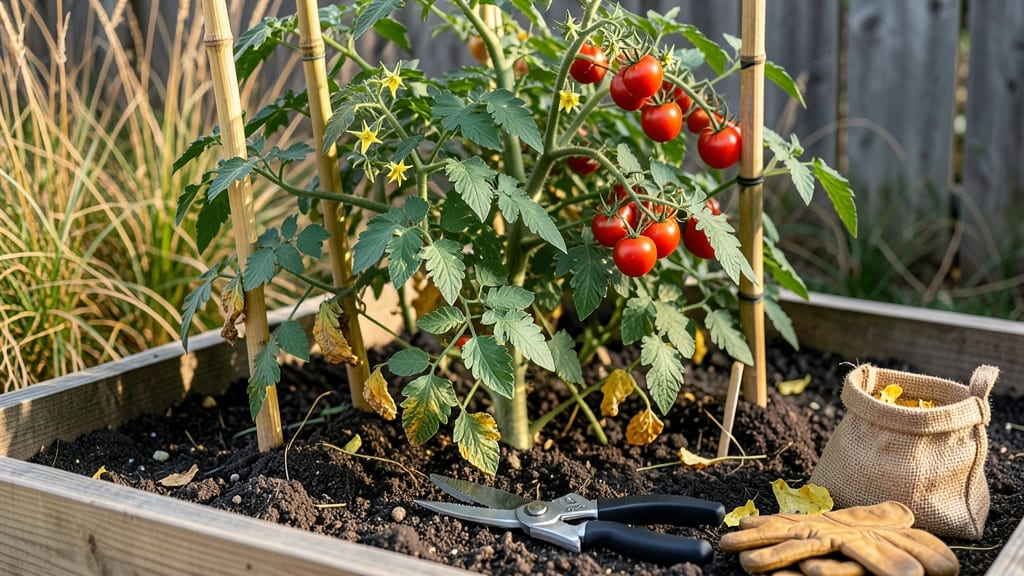
Trimming tomato leaves isn’t just about tidying up—it’s the secret to bigger harvests and healthier plants. 🌱 I’ve learned that skipping this step means fewer tomatoes, more disease, and plants that struggle to focus their energy. The right cuts redirect growth to where it matters most: your fruit.
You’ll need sharp pruners, gloves, and a sunny day (cloudy works too). Start early in the season by removing the bottom leaves up to 12 inches from the soil—this prevents rot and keeps airflow flowing.
As the plant grows, watch for "suckers" (those little shoots between stems) and snip them off before they drain energy. What you’ll end up with is a plant that pours all its resources into juicy, vine-ripened tomatoes instead of extra foliage. The leaves you remove?
Toss them in the compost—no waste here. Just be careful not to overdo it; leave enough leaves to shade the fruit from sunburn. Timing matters most: prune in morning hours when plants are hydrated, and avoid trimming after heavy rain.
For advanced gardeners, topping the plant (cutting the top growth) can encourage even more fruit—though that’s a conversation for another day.
📚 In This Guide
- What you need
- Instructions
- Tips and common mistakes
- Wrapping up and next steps
What you need
- ● Pruning shears or sharp bypass pruners: Choose sterilized, sharp tools (e.g., Felco F-2 or equivalent) to avoid damaging plants or spreading disease. Size: 5-7 inches for precision.
- ○ Gloves (optional but recommended): Wear nitrile or leather gloves to protect against thorns and dirt (e.g., Gardener’s Supply brand).
- ● Disinfectant (70% isopropyl alcohol or bleach solution): Mix 1 part bleach to 9 parts water to sterilize tools between cuts.
- ● Compost bin or bag: For collecting trimmed leaves and stems (avoid composting diseased foliage).
- ○ Water spray bottle (optional): Helps clean tools and rinse off sap after trimming.
- ● Hand lens or magnifying glass: For spotting pests or diseases up close.
- ● Pruning saw: Useful for thicker stems (e.g., for indeterminate tomato varieties).
- ● Plant marker or labels: If you’re tracking pruning dates or plant varieties.
- ● Knee pads or stool: For comfort during long pruning sessions.
Step-by-Step guide to pruning tomato leaves for healthier plants
Here's my go-to method for trimming tomato leaves—it boosts fruit production while keeping plants strong.
✂️ Step 1: Identify Leaves to Remove
Start by examining your tomato plant for leaves below the first flower cluster. These lower leaves create a damp, shaded environment that attracts disease. Use clean, sharp pruning shears to snip them off at the stem—never tear them, which damages the plant.
Focus on leaves that touch the soil or block airflow. You'll see these as larger, older leaves near the base. Remove them completely, but leave smaller leaves higher up—they still contribute to photosynthesis. I always prune on a dry morning to prevent spreading any fungal spores that might be hiding in wet foliage.
🌿 Step 2: Prune for Airflow and Light
Next, trim any leaves that block sunlight from reaching the fruit clusters. Look for dense foliage where branches cross or leaves shade developing tomatoes. Your goal is to create an open structure that lets air circulate and sun penetrate.
Leave 3-4 leaves above each fruit cluster to support growth. You'll notice the plant's natural shape emerges as you prune—this isn't about aggressive cutting, but strategic thinning. Avoid removing more than 20% of the plant's foliage at once, or it'll struggle to recover.
☀️ Step 3: Focus on Suckers for Stronger Growth
Suckers are the small shoots that grow in the V-shaped junction between the main stem and a branch. These compete with your fruit for energy. Pinch them off with your fingers or snip them cleanly at the base—never leave a stub, as it can rot.
Wait until suckers are about 2 inches long before removing them. This timing ensures you don't accidentally trim off a potential branch. I check for suckers every 7-10 days during the growing season, especially after heavy rain or when the plant flushes with new growth.
💧 Step 4: Prune for Disease Prevention
Remove any yellowing or spotted leaves immediately—they're signs of disease. Use rubbing alcohol to wipe your pruners between cuts to prevent spreading pathogens. Focus on leaves with brown edges, black spots, or white powdery coatings.
Don't wait until leaves are severely damaged. Early removal stops the problem before it spreads to healthy parts of the plant. After pruning diseased leaves, dispose of them in the trash—not the compost—since fungal spores can survive decomposition.
⏰ Step 5: Time Your Pruning for Best Results
Prune in the morning when temperatures are cooler and humidity is lower. Avoid trimming after rain or in the evening, when moisture lingers on leaves. I also stop heavy pruning 4-6 weeks before the first frost to let the plant focus on ripening existing fruit.
You'll see immediate benefits as sunlight reaches more fruit clusters and airflow improves. Within 2-3 weeks, you'll notice stronger stems, fewer suckers, and tomatoes that ripen faster. Keep a sharp eye on the plant's overall health—if it looks stressed after pruning, it's time to scale back.
Tips & tricks for perfect tomato plant pruning
Here's what nobody tells you about pruning tomato plants—these tricks make all the difference between a decent harvest and a bumper crop.
Tool Prep: Before you start, sterilize your pruning shears with rubbing alcohol. I learned this the hard way after accidentally spreading fungal spores between cuts. You'll also want to sharpen your blades—dull tools crush stems instead of making clean cuts, which stresses the plant. A quick wipe-down with a disinfectant cloth between plants prevents cross-contamination.
Visual Pruning Cues: In Step 2, when you're looking for leaves to remove, focus on the "V" shape where branches meet the main stem. If you see dense foliage blocking sunlight from reaching fruit clusters, those are your targets. I check for this by holding my hand behind the plant—if my fingers can't see through the leaves, it's time to thin. This creates that perfect open structure for airflow and sunlight.
Sucker Timing: The 2-inch sucker guideline in Step 3 is critical—waiting until they're this size prevents accidental removal of potential branches. I check for suckers every 7-10 days, especially after heavy watering or when the plant flushes with new growth. Use your fingernail to gently pinch them off at the base rather than tearing, which can damage the stem.
Seasonal Adjustments: In Step 5, remember that the 4-6 week frost rule applies to your specific climate zone. If you're in a warmer region, you might extend this to 8-10 weeks. The key is to stop heavy pruning early enough for the plant to focus on ripening existing fruit before cold weather sets in. I always mark my calendar with the last expected frost date to plan my final pruning session.
Pro Tips for Tomato Plants Trimming Leaves
- Here's what nobody tells you about pruning tomato plants—these tricks make all the difference between a decent harves...
- Tool Prep: Before you start, sterilize your pruning shears with rubbing alcohol. I learned this the hard way after ac...
- Visual Pruning Cues: In Step 2, when you're looking for leaves to remove, focus on the "V" shape where branches meet ...
Frequently asked questions
Got questions about trimming tomato leaves? You’re not alone! Here are some of the most common concerns—plus quick, actionable answers to keep your plants thriving.
Why should I trim tomato leaves at all? What’s the point?
Trimming leaves (especially lower ones) boosts airflow, reduces disease risk, and directs energy to fruit production. Without pruning, plants waste resources on excessive foliage instead of growing juicy, flavorful tomatoes. Think of it like giving your plant a spa day—less stress, more rewards!
When is the best time to trim tomato leaves?
Start when plants are 12–18 inches tall, focusing on lower leaves (those touching the soil). For indeterminate varieties, trim regularly (every 1–2 weeks) during the growing season. Avoid heavy pruning late in the season—let the plant focus on ripening existing fruit. Early morning is ideal to prevent stress from afternoon heat.
Do I need to sterilize my pruners between cuts?
Dirty tools spread fungal diseases (like early blight) or bacterial infections. Wipe blades with rubbing alcohol (70% or higher) before and after each use. If you’re switching between plants, sterilize again—it’s a small habit that saves your harvest from disaster.
What if I trim too much? Will my tomato plant die?
Don’t panic! Tomato plants are resilient, but avoid removing more than 20–30% of the foliage at once. Focus on yellowing or diseased leaves first, and leave enough leaves to shade developing fruit. If you overdo it, your plant might slow down temporarily, but it’ll bounce back with proper care (and maybe a little extra water!).
Are there any leaves I should never trim?
Yes! Leave the top few leaves above the first flower cluster (they protect fruit from sunburn) and avoid pruning leaves near ripening tomatoes. Also, skip trimming during flowering/fruiting unless a leaf is diseased—stress can drop blossoms or stunt growth. When in doubt, less is more!
What’s a good alternative if I hate pruning?
Try succession planting or container growing with dwarf varieties (like ‘Tiny Tim’ or ‘Patio Princess’)—they need minimal pruning. For larger plants, mulch heavily to block soil-borne diseases (reducing the need for lower leaf removal) or use pruning-resistant varieties like ‘Solar Fire’ or ‘Mountain Merit.’
Wrapping up and next steps
Trimming your tomato plants isn’t just about aesthetics—it’s a game-changer for healthier growth and bigger, juicier harvests! 🌱 By removing suckers, yellowing leaves, and overcrowded foliage, you’re directing energy to where it matters most: fruit production.
Remember, consistency is key, so check your plants weekly during peak growth and always use clean tools to avoid disease.
Ready to level up your garden? Start small—pick one plant to practice on, then expand as you gain confidence. Soon, you’ll be the proud gardener with a bountiful tomato harvest! 🍅✨ Grab your pruners and get trimming!