
Container Gardens
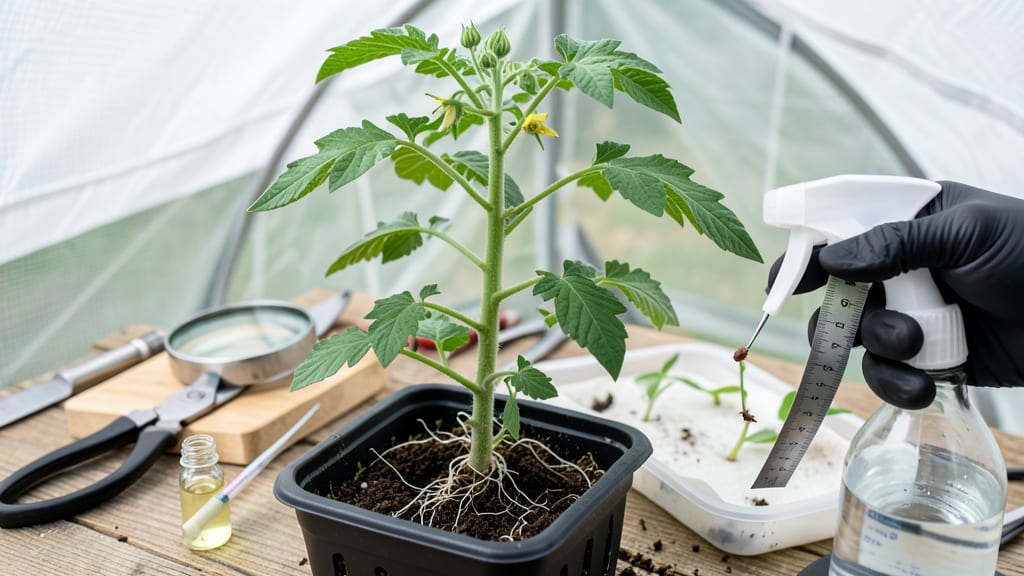
When tomato seedlings stopped growing, it’s rarely a death sentence—just a wake-up call from your plants. 🌱 The good news? Three root fixes can turn limp stems into sturdy, fast-growing seedlings within days, no matter if it’s overwatering, cramped roots, or a nutrient crash.
Start by checking the soil: it should feel like a damp sponge, not a swamp. If roots are tangled in a tiny pot, transplant into a 5-inch container with fresh potting mix—this alone often spurs growth within 3-5 days.
For yellowing leaves, flush the soil with water to clear salts, then add a balanced fertilizer (like 10-10-10) at half-strength. The real game-changer? A bottom heat mat (or even a warm windowsill) mimics greenhouse conditions, coaxing roots to stretch.
Within a week, you’ll see new growth—proof your seedlings aren’t dead, just waiting for the right conditions. This works for indoor starts, greenhouse trays, or even windowsill seedlings. The key is acting fast: stunted plants recover quicker than you’d expect when you address their basic needs.
Root Causes Of Stunted Growth
Tomato seedlings that refuse to grow often send gardeners scrambling for answers—but the truth is, a few key factors are usually to blame. Understanding these root causes (literally!) is the first step to reviving your plants. Let’s break down the science behind why your seedlings might be hitting a standstill.
---
Tomatoes thrive in a specific temperature range—too extreme, and growth grinds to a halt. Seedlings need consistent warmth (ideal daytime temps: 70–85°F / 21–29°C; nighttime: 60–70°F / 15–21°C). Here’s why cold or heat stunts them:
- Cold Stress (Below 50°F / 10°C): - Metabolic slowdown: Enzymes in seedlings become sluggish, halting photosynthesis and nutrient uptake. - Chilling injury: Cell membranes rupture, leading to brown, mushy stems (a silent killer). - Seedling "damping-off" risk: Cold, damp soil invites fungal pathogens that rot roots before they can grow.
- Heat Stress (Above 90°F / 32°C): - Water loss: High temps increase transpiration (water evaporation), drying out seedlings faster than roots can absorb moisture. - Sunburn: Delicate leaves scorch, reducing energy for growth (look for white or yellow patches). - Root suffocation: Hot soil bakes, killing beneficial microbes and compacting roots, which strangle oxygen uptake.
💡 Pro Tip: Use a seedling heat mat (for cold) or provide afternoon shade cloth (for heat). Monitor soil temp with a probe—60–75°F / 15–24°C is ideal.
---
Water is the lifeblood of seedlings, but imbalance causes growth to stall—often permanently. Here’s how:
- Underwatering: - Root desiccation: Roots dry out and shrink back, losing their ability to absorb nutrients. - Wilting without recovery: Seedlings may appear limp but can’t bounce back if roots are damaged. - Nutrient lockout: Dry soil binds minerals, making them unavailable even if fertilizer is present.
- Overwatering: - Oxygen deprivation: Waterlogged roots suffocate, leading to gray, mushy roots (a classic sign of rot). - Fungal infections: Excess moisture breeds Pythium or Phytophthora, which attack roots and stems. - Nutrient leaching: Overwatering washes away nitrogen and phosphorus, starving seedlings of growth fuel.
⚠️ Warning Signs: - Underwatered: Dry, crispy soil; seedlings pull away from the pot. - Overwatered: Soil stays soggy for >24 hours; leaves turn yellow (not just bottom leaves—whole plant wilts).
🔥 Fix It: Water only when the top inch of soil is dry (stick your finger in!). Use well-draining mix (50% potting soil, 30% perlite, 20% compost) and self-watering pots to prevent swings.
---
Even healthy seedlings starve without the right soil. Three critical issues slow growth:
1. Nitrogen Deficiency (💥 Most Common): - Symptoms: Stems stay thin and leggy; leaves turn pale yellow (chlorosis) starting from the oldest leaves. - Why? Nitrogen is the building block of chlorophyll and amino acids—without it, seedlings can’t grow. - Fix: Add balanced fertilizer (10-10-10) or compost tea every 2 weeks.
2. Phosphorus Shortage (🌱 Root Struggles): - Symptoms: Dark green or purple stems/leaves; roots grow slowly or not at all. - Why? Phosphorus fuels root development and energy transfer—critical for seedlings. - Fix: Use bone meal or rock phosphate (apply sparingly—too much harms microbes).
3. Compacted or Inferior Soil: - Problem: Dense soil restricts root expansion, limiting water/nutrient access. - Signs: Roots circle the pot instead of growing downward; seedlings top-heavy and unstable. - Fix: Aerate soil with a fork or repot into loose, organic-rich mix (add worm castings for structure).
🎯 Quick Test: Squeeze a handful of soil—if it holds a shape like clay, it’s too compact. If it crumbles easily, it’s ready for seedlings.
--- Tiny invaders can halt growth before you notice. Watch for:
| Pest/Disease | Signs | Impact on Growth | Fix | |------------------------|------------------------------------|-----------------------------------------------|------------------------------------------| | Aphids/Whiteflies | Sticky residue (honeydew), curled leaves | Sap-sucking weakens stems; attracts mold. | Spray with neem oil or soapy water. | | Fungal Rot | Soft, dark stems; moldy soil | Roots decay; seedlings topple over. | Remove infected plants; sterilize pots. | | Root-Knot Nematodes| Gnarled, stunted roots | Block nutrient uptake; stunts height. | Solarize soil or use marigold companion plants. | | Damping-Off | Seedlings wilt and collapse at soil line | Fungal attack on stems; no recovery. | Space seedlings (reduce humidity); use fungicide dust. |
🔪 Prevention: Inspect seedlings weekly under leaves. Quarantine new plants for 7 days before transplanting.
--- Light is the fuel for photosynthesis—but too much or too little stops growth cold.
- Insufficient Light: - Leggy, weak stems: Seedlings stretch toward light, wasting energy. - Pale, spindly leaves: Chlorophyll can’t develop properly. - Fix: Provide 14–16 hours of light/day (use grow lights if natural light is <6 hours).
- Excessive Light/Heat: - Sunburned leaves: White or brown patches reduce photosynthesis. - Heat stress: Leaves curl or crisp at edges. - Fix: Shade cloth (30–50%) for 4–6 hours/day if temps exceed 85°F / 29°C.
🌡️ Ideal Light: 5,000–6,500 lux (bright but not scorching). Rotate pots daily for even growth.
Quick Fixes for Stalled Seedlings
When your tomato seedlings hit a growth plateau, the good news is that most causes have simple, actionable solutions—no advanced horticulture degree required! Below, we’ve mapped the most common reasons your plants stalled to the exact steps you need to revive them.
Follow the fixes tailored to your situation, and don’t forget the prevention tips to keep future seedlings thriving.
---
Signs: Seedlings are leggy, roots are tangled, or soil looks compacted. Why it happens: Too many plants competing for nutrients and space stunts growth.
Fix: 1. 👨🍳 Gently remove seedlings from the container using a small trowel or your fingers. 2. 🔪 Snip or pinch the weakest stems at the base (keep the healthiest 2–3 per pot). 3. 🌡️ Replant the remaining seedlings at the same depth, spacing them 1–2 inches apart (or follow seed packet guidelines). 4. 💡 Pro tip: If roots are circling, untangle them slightly before replanting to encourage outward growth.
Prevent it: - Start with smaller pots (2–3 inches wide) for individual seedlings. - Use seedling trays with individual cells to avoid overcrowding early on. - 🎯 Transplant early: Move seedlings to larger containers (5+ inches) once roots fill the current space.
---
Signs: Seedlings are pale, stretched out, or wilting despite watering.
Fix: 1. 🔥 Check light needs: Tomato seedlings need 6–8 hours of sunlight daily (or a grow light 12–16 hours/day). 2. 🌞 Rotate pots every 2–3 days to prevent leaning (a sign of uneven light). 3. 💡 Adjust lighting: - Too little sun? Move seedlings to a south-facing window or add a grow light 2–4 inches above them. - Too much sun? Provide partial shade (use a sheer curtain or shade cloth) during peak afternoon heat. 4. 🌱 Harden off gradually: If moving outdoors, introduce sunlight slowly over 7–10 days to avoid shock.
Prevent it: - Use a sunlight calculator to track daily light hours in your area. - 🌡️ Monitor temperature: Ideal daytime temps are 70–85°F; below 50°F or above 90°F stalls growth.
---
Signs: Soil is bone-dry, seedlings wilt quickly, or roots appear mushy (overwatered).
Fix: 1. 👨🍳 Check soil moisture: Stick your finger 1 inch deep—if dry, it’s time to water. 2. 💧 Water deeply but less often: - Underwatered? Soak the soil until water drains from the bottom (bottom-watering helps). - Overwatered? Let the top 1–2 inches dry out between waterings; ensure pots have drainage holes. 3. 🌱 Improve drainage: - Add a 1-inch layer of perlite or coarse sand to pots for better aeration. - Use well-draining soil mixes (avoid heavy clay or garden soil). 4. 💡 Pro tip: Water in the morning to reduce evaporation and fungal risks.
Prevent it: - 🎯 Use a moisture meter to avoid guesswork. - ✨ Mulch lightly with straw or coconut coir to retain moisture without suffocating roots.
---
Signs: Yellowing leaves (especially lower ones), stunted stems, or slow growth despite good light/water.
Fix: 1. 📊 Diagnose the deficiency: - Nitrogen (N) deficiency? Leaves are pale yellow. Use a balanced fertilizer (10-10-10) or compost tea. - Phosphorus (P) deficiency? Dark green leaves with purple stems. Try a phosphorus-rich fertilizer (5-10-5). - Potassium (K) deficiency? Weak stems, yellow edges. Use banana peel tea or a potassium sulfate supplement. 2. 👨🍳 Dilute fertilizer: Start with half-strength to avoid burning roots. 3. 🌱 Boost soil health: - Mix in worm castings or fish emulsion for a gentle nutrient boost. - 💡 Pro tip: Avoid synthetic fertilizers until seedlings have 2–3 true leaves to prevent salt buildup.
Prevent it: - 🌡️ Test soil pH (ideal: 6.0–6.8 for tomatoes). Adjust with lime (to raise pH) or sulfur (to lower it). - ✨ Rotate crops to prevent nutrient depletion in containers.
--- 🔥 Bonus: Pest or Disease Attack? If you spot aphids, spider mites, or fungal spots, act fast: - 🍳 Spray with neem oil (1 tsp per quart of water) for pests. - 🌱 Remove infected leaves and treat with copper fungicide if needed. - 💡 Prevent spread: Isolate affected plants and avoid overhead watering.
Frequently asked questions
Why do my tomato seedlings stop growing suddenly even with good light and water?
This often signals root-bound stress or nutrient deficiency. Check if roots are circling the pot or soil feels compacted—both restrict growth. Also test for yellowing leaves (nitrogen deficiency) or dark stems (phosphorus shortage). A quick fix: repot into a 5-inch container with fresh potting mix and add a balanced fertilizer.
Can I save tomato seedlings that have stopped growing due to cold temperatures?
Yes! Move them to a warmer location (70–85°F) immediately. Use a seedling heat mat or place near a sunny window. If stems appear mushy from chilling injury, trim the damaged parts and replant in fresh, warm soil. Avoid watering until new growth appears to prevent fungal infections.
How do I tell if my seedlings are underwatered vs. overwatered?
Check the soil: if it's bone-dry and seedlings wilt but perk up after watering, they're underwatered. If soil stays soggy for >24 hours and leaves turn yellow (not just bottom ones), they're overwatered. Fix by adjusting your watering schedule—water only when the top 1 inch feels dry and ensure pots have drainage holes.
Will pruning help tomato seedlings that have stopped growing?
Only if they're overcrowded. Pinch off the weakest stems to redirect energy to stronger ones, but avoid heavy pruning—focus on removing leggy or damaged growth. For best results, repot into larger containers (5+ inches) with fresh soil and provide bright light to encourage new growth within 3–5 days.
Can I use coffee grounds to revive stunted tomato seedlings?
Yes, but sparingly! Coffee grounds add nitrogen but can acidify soil if overused. Mix 1 tablespoon into the top inch of soil per pot, then water well. For better results, combine with compost tea or a balanced fertilizer. Monitor soil pH—keep it between 6.0–6.8 for optimal tomato growth.