
Vegetables
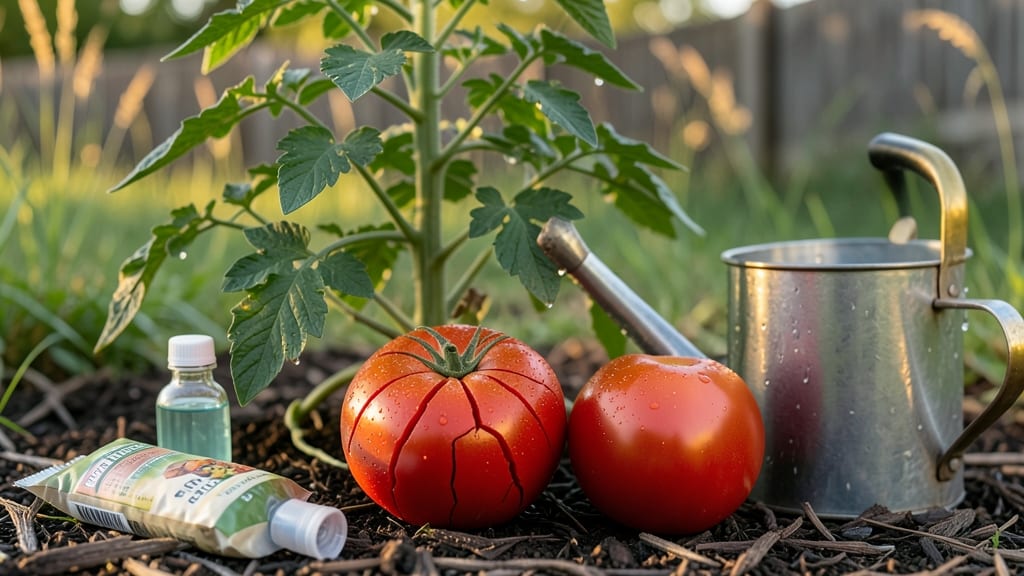
Tomato skin cracking ruins harvests faster than you can say "blight." I've lost hundreds of dollars worth of fruit to this frustrating problem, but I finally cracked the code with a few simple adjustments that keep skins intact even during heat waves.
The key isn't just one trick—it's understanding how water, soil, and weather all work together (or against you) to create those ugly splits.
Uneven watering is the #1 culprit, but extreme temperature swings, over-fertilizing with nitrogen, and poor soil drainage play their part too.
I used to blame the weather, but after tracking my plants' water intake and soil moisture for two seasons, I realized most splits happen when roots can't keep up with fruit growth.
The solution? Consistent moisture—not too much, not too little—and a few smart gardening habits that create stable conditions.
You'll end up with tomatoes so firm and flawless they'll make your neighbors ask for cuttings. The secret is mulching to regulate soil temps, pruning to control growth, and fertilizing with balance—not just nitrogen.
Even my black thumb can't mess this up once you get the rhythm right. By mid-summer, you'll be harvesting perfect, split-free fruit that tastes like sunshine.
Works for container gardens, raised beds, and in-ground plots alike—just adjust the watering schedule based on your setup. Here's exactly how to diagnose the problem and fix it before another tomato goes to waste.
The Hidden Triggers Behind Cracked Tomato Skin
If you’ve ever picked a tomato only to find its skin split open like a tiny, edible puzzle, you’re not alone. 🍅💥 These unsightly (and sometimes messy) cracks aren’t just a cosmetic nuisance—they’re a direct result of environmental and physiological stress.
Understanding the root causes is the first step to preventing them and ensuring a bountiful, flawless harvest. Let’s break down the science behind why your tomatoes develop those frustrating splits.
Tomatoes are thirsty plants, but their skin can’t handle sudden changes in moisture. When soil is alternately soaked and dried out, the fruit absorbs water at an uneven rate. Here’s how it happens:
- Heavy watering followed by drought: After a deep watering session, tomatoes swell quickly. If the soil then dries out rapidly, the outer skin hardens while the inner fruit keeps expanding—leading to cracks. Think of it like overinflating a balloon too fast.
- Inconsistent irrigation: Drip systems, sprinklers, or even hand-watering can cause uneven moisture distribution. Roots on one side of the plant may get more water than the other, creating imbalances.
- Rain after dry spells: Nature’s watering can be just as problematic. A sudden downpour after a dry period can trigger the same swelling-and-splitting cycle.
Pro tip: 💡 Aim for consistent moisture—water deeply 1–2 times per week (depending on climate) and mulch heavily to retain humidity. Avoid overhead watering, which can also promote disease while causing uneven absorption.
Tomatoes thrive in warmth, but drastic temperature swings can throw their growth patterns off balance. Here’s the science:
- Hot days + cool nights: During the day, tomatoes absorb water and nutrients rapidly. But if nighttime temperatures plummet, the plant’s metabolic processes slow down, causing the fruit to expand unevenly.
- Sudden heatwaves: A spike in temperature can accelerate growth, while the skin struggles to keep up. This is especially common in greenhouses or high-summer gardens.
- Cold stress: Early-season frosts or late-night chills can stunt growth, leading to weak cell walls that crack as the fruit matures.
Pro tip: 🌡️ Use shade cloth during peak sun hours in hot climates, and protect plants from cold snaps with row covers or cold frames. Choose heat-tolerant varieties like ‘Solar Fire’ or ‘Heatmaster’ if you’re in a hot region.
Tomatoes need a balanced diet of nutrients to develop strong, flexible skin. When one nutrient is lacking or overabundant, the fruit’s structural integrity suffers:
| Nutrient Issue | How It Causes Cracks | Solution |
|---|---|---|
| ✅ Too much nitrogen | Promotes rapid leafy growth over fruit development, leading to weak skin that can’t handle swelling. | Use a balanced fertilizer (e.g., 5-10-10) and avoid over-fertilizing. |
| ❌ Calcium deficiency | Calcium strengthens cell walls. Without it, skin becomes brittle and prone to splitting. | Apply calcium-rich amendments like crushed eggshells, lime, or a calcium nitrate spray. |
| 💧 Potassium deficiency | Potassium regulates water uptake. A deficit leads to poor water balance and cracked skin. | Use a potassium-rich fertilizer (e.g., wood ash or greensand) or compost. |
Pro tip: 💪 Conduct a soil test to identify deficiencies. If your soil is heavy clay or sandy, amend it with compost or organic matter to improve nutrient retention.
When a tomato plant produces more fruit than it can sustain, the skin cracks under the strain. Here’s why:
- Excessive fruiting: Plants like ‘Beefsteak’ or ‘Brandywine’ varieties produce large tomatoes that demand significant resources. If the plant is overloaded, the skin splits to accommodate the weight.
- Lack of pruning: Unpruned plants divert energy to extra foliage instead of supporting the fruit’s growth, leading to weak skin.
- Poor support structures: Tomatoes need cages, stakes, or trellises to distribute weight evenly. Without support, the plant’s stem can’t handle the load, causing the fruit to split.
Pro tip: ✨ Prune regularly to remove suckers (side shoots) and limit fruit load if needed. Use wide cages or stakes and tie vines securely to prevent stress. For heavy varieties, consider hand-pollinating flowers to reduce overproduction.
Now that you know the key triggers, the next step is to take action. The good news? With consistent care, you can eliminate cracks and enjoy tomatoes that stay flawless from vine to plate. 🍅✨
Quick fixes for split-skin tomatoes
Now that you know the causes behind those unsightly tomato skin cracks, let’s roll up our sleeves and get to work! The good news? Most fixes are simple, cost-effective, and can be done right in your garden or kitchen.
Below, we’ve mapped out practical solutions for each common cause—plus prevention tips to keep your tomatoes looking flawless from flower to fruit.
---
Fix: Water wisely to avoid sudden swelling and splitting. - Morning watering routine: 🌅 Water deeply once a day (early morning is best) to give roots time to absorb moisture before the heat of the day. Avoid overhead sprinklers, which can cause uneven water distribution. - Drip irrigation or soaker hoses: 🔥 These deliver water directly to the soil, reducing surface evaporation and keeping roots consistently moist. - Mulch like a pro: 🌿 Spread 2–3 inches of organic mulch (straw, grass clippings, or shredded leaves) around plants to retain moisture and regulate soil temperature.
Prevention pro tip: 💡 If your tomatoes are already cracking, reduce watering temporarily and let the soil dry out slightly before resuming a steady schedule.
---
Fix: Protect tomatoes from heat stress and rapid temperature changes. - Shade cloth to the rescue: ☀️ During scorching afternoons (especially in hot climates), drape lightweight shade cloth (30–50%) over plants to block intense sunlight. - Evening watering hack: 🌃 If nights are cool, water plants in the late afternoon to help them retain heat overnight, preventing sudden temperature drops. - Windbreaks for exposed gardens: 🌬️ Use burlap sacks, trellises, or tall plants (like corn) to block harsh winds that can stress tomato skins.
Prevention pro tip: 🌡️ Monitor your local heat advisories and adjust care accordingly—tomatoes thrive in 70–85°F (21–29°C); anything beyond that can trigger cracking.
---
Fix: Adjust fertilization to avoid nutrient burns and uneven growth. - Cut back on nitrogen: 🚫 Too much nitrogen (common in blood meal or manure) promotes leafy growth at the expense of fruit firmness. Switch to a balanced fertilizer (10-10-10 or 5-10-10) once flowers appear. - Side-dress with compost: 🌱 Instead of synthetic fertilizers, mix aged compost or worm castings into the soil around plants to improve texture and nutrient absorption. - Calcium boost for cell strength: 🥛 If your soil is deficient, sprinkle crushed eggshells or bone meal around the base of plants (or use a calcium nitrate spray every 2 weeks).
Prevention pro tip: ✨ Soil test first! Many cracking issues stem from imbalanced soil—test your pH and nutrient levels before planting for a head start.
---
Fix: Pick and store tomatoes to minimize natural splitting. - Harvest at peak ripeness: 🍅 Green tomatoes? Pick them early and ripen indoors (they won’t split as badly). Red tomatoes? Harvest when fully colored but still slightly firm—this prevents overripening cracks. - Avoid storing with ethylene producers: 🍎 Keep tomatoes away from apples, bananas, or avocados, which release ethylene gas and speed up ripening (and cracking). - Refrigerate unripe tomatoes: ❄️ If you must store them, pop green/half-ripe tomatoes in the fridge to slow ripening—just take them out a day before eating to soften.
Prevention pro tip: 🎯 Prune aggressively! Overloaded plants with too many tomatoes will split. Remove suckers and excess fruit to let remaining tomatoes grow evenly.
---
Fix: Improve soil structure to prevent waterlogging and root stress. - Amend heavy clay soil: 🏗️ Mix in sand, perlite, or coconut coir to improve drainage. For sandy soil, add compost or peat moss to retain moisture. - Raise beds for better airflow: 🌿 Plant tomatoes in raised beds or containers if your native soil drains poorly—this gives roots room to breathe. - Aerate compacted soil: 🔨 Use a garden fork to loosen soil around the base of plants (gently!) to encourage deeper root growth.
Prevention pro tip: 💪 Rotate crops! Planting tomatoes in the same spot year after year compacts soil—swap their location every 2–3 years.
--- If your tomatoes are already splitting, don’t panic! Here’s how to salvage them: - For minor cracks: 🍅 Brush on a thin layer of petroleum jelly (food-grade) to seal the skin temporarily—this buys you a few days before harvesting. - For severe splits: ⏰ Harvest immediately and ripen indoors.
Cracked tomatoes are still edible—just remove the cracked areas before eating or cooking. - Cooking hack: 👨🍳 Use cracked tomatoes in sauces, soups, or salsas—the texture softens during cooking, making cracks less noticeable.
--- Final Thought: Most tomato skin cracks are preventable with consistent care. Start by watering wisely, protecting from heat, and feeding the right way, and you’ll enjoy plump, blemish-free tomatoes all season long! 🍅✨
Frequently asked questions
Why do my cherry tomatoes crack more than beefsteak varieties?
Cherry tomatoes crack more frequently because their thin skins can't handle rapid water absorption like larger varieties. Their high surface-area-to-volume ratio means they swell faster during heavy watering or rain. To prevent this, water consistently (not sporadically) and use 30% shade cloth during heatwaves to slow growth.
Can I still eat tomatoes with cracked skin?
Yes! Cracked tomatoes are perfectly safe to eat. The cracks expose the flesh to air, which can make them spoil faster, but they won't harm you. For best results, use cracked tomatoes in sauces, soups, or salsas where the texture won't matter. Store them in the fridge to slow ripening further.
How often should I check my tomato plants for early signs of cracking?
Inspect your plants every 2-3 days once fruits start forming. Look for tiny white lines or bulging skin—these are early warning signs. Early intervention (like reducing water slightly) can prevent full splits. Morning checks work best when soil is cooler and easier to assess.
Will mulch really help prevent tomato skin cracks?
A 2-3 inch layer of organic mulch (straw or shredded leaves) keeps soil moisture consistent and regulates temperature swings. This prevents the "feast or famine" watering that causes cracks. Just keep mulch 2 inches away from plant stems to avoid rot.
Can I fix cracked tomatoes once they've already split?
For minor cracks, try sealing them with a thin layer of food-grade petroleum jelly to buy a few extra days. For severe splits, harvest immediately and ripen indoors. The best solution is prevention—once cracks appear, the damage is done, but proper care will keep next season's tomatoes flawless!