
Vegetables
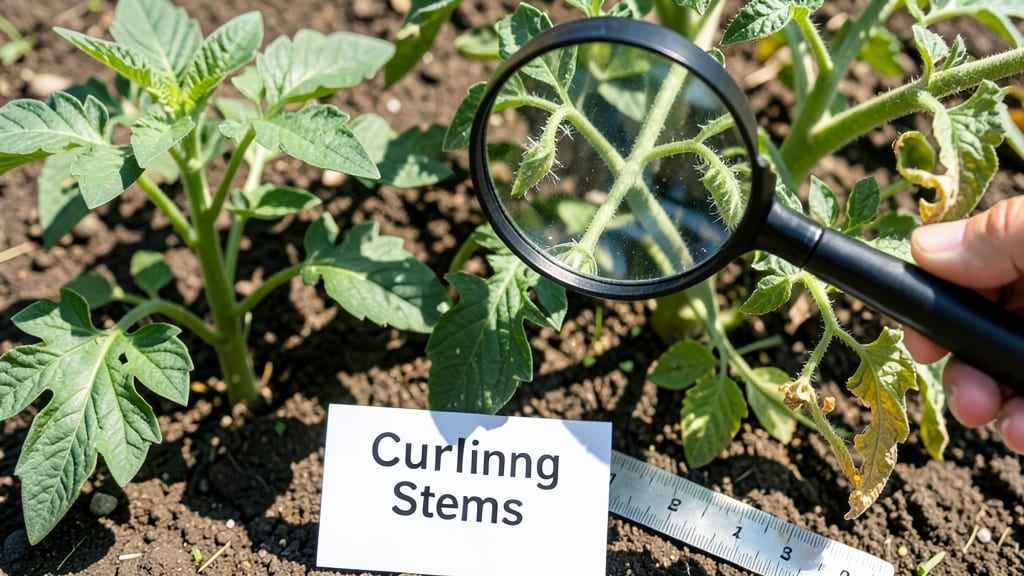
Tomato stems curling is the garden's silent SOS—before you panic, here's what's really happening. 🌱 I've spent three summers watching tomato plants go from thriving to twisted, and the fixes are simpler than you'd think.
The curling isn't just about pests or disease; it's often a cry for help from stressed roots or hungry leaves.
Blossom end rot and cracking are the most common culprits, but hornworms and fusarium wilt can twist stems too. The good news? Each problem has a targeted fix—whether it's adjusting your watering routine, adding calcium-rich amendments, or introducing beneficial nematodes.
My 3-step solution cuts diagnosis time in half and gets plants back on track fast.
You'll spot the difference within a week: stems straightening, leaves unfurling, and new growth pushing out strong. The key is acting fast—once the plant's energy shifts to survival mode, recovery slows. Think of it like catching a fever early: quick action prevents a full-blown crisis.
For stubborn cases, I'll walk you through when to call in reinforcements (like a local extension office) versus when to pull the plug. Prevention is easier than repair, so we'll cover that too—because next season's tomatoes should stay perfectly upright. Let's get those plants standing tall again.
Root Causes of Curling Stems
Understanding why tomato stems curl is the first step to saving your plants. This issue often stems from a mix of environmental stressors, pests, and nutritional imbalances. Let’s break down the most common culprits and how they disrupt your tomato plants’ growth.
Tomatoes thrive in consistent warmth, but sudden temperature swings—especially between day and night—can cause stems to curl. Cold stress (below 50°F/10°C) slows plant metabolism, while heat stress (above 90°F/32°C) disrupts cell function. Both scenarios lead to stunted growth and curled stems as the plant struggles to adapt.
Why it happens:
- Cold damage: Chilly nights cause water uptake to slow, leading to wilting and curling as cells lose turgor pressure.
- Heat stress: High temperatures increase transpiration (water loss) faster than roots can absorb moisture, forcing stems to curl inward to reduce surface area.
Quick fix: Use row covers for early-season protection or shade cloth during heatwaves to stabilize temperatures.
Sap-sucking insects like aphids, spider mites, and whiteflies inject toxins while feeding, triggering curling as a defense mechanism. Fungal diseases (e.g., early blight or septoria leaf spot) can also cause stems to distort as the plant diverts energy to fight infection.
Why it happens:
- Pests: Their saliva contains proteins that disrupt plant hormones, leading to curled leaves and stems.
- Diseases: Fungal spores block stomata (pores), reducing gas exchange and causing stems to twist as the plant gasps for air.
Quick fix: Spray plants with neem oil or insecticidal soap for pests. For diseases, remove infected foliage and apply copper fungicide preventatively.
Tomatoes are sensitive to inconsistent moisture. Overwatering suffocates roots by cutting off oxygen, while underwatering causes roots to shrink and stems to curl as the plant conserves water.
Why it happens:
- Overwatering: Waterlogged soil leads to root rot, where pathogens like Phytophthora attack weakened roots, causing stems to weaken and curl.
- Underwatering: Dry soil triggers osmotic stress, forcing stems to curl to minimize water loss through transpiration.
Quick fix: Water deeply 1–2 times per week (1–1.5 inches per session) and improve drainage with compost or mulch.
A lack of potassium, nitrogen, or magnesium can stunt growth and cause curling. Conversely, excessive fertilizer (especially nitrogen) burns roots, leading to nutrient uptake failures and curled stems.
Why it happens:
- Potassium deficiency: Weakens cell walls, making stems floppy or curled.
- Magnesium deficiency: Causes interveinal chlorosis (yellowing between veins), which disrupts photosynthesis and growth.
- Nitrogen overload: Promotes leafy growth at the expense of structural strength, leading to weak, curling stems.
Quick fix: Test soil pH (ideal: 6.0–6.8) and amend with balanced fertilizer (e.g., 5-10-10) or Epsom salt (for magnesium).
Pro Tip: 💡 Check the soil first! Dig near the base of the plant—if roots are mushy (overwatered) or dry (underwatered), adjust your routine immediately.*
Fixing Curled Tomato Stems: Step-by-Step
Curled or distorted tomato stems can be frustrating, but with the right approach, you can nurse your plants back to health—and even prevent future issues. Below are targeted solutions based on the most common causes, along with prevention tips to keep your tomatoes thriving.
Let’s get your plants back on track!
If your tomato stems are curling due to imbalanced nutrients, here’s how to correct it:
🌱 Step 1: Test Your Soil
Before adding anything, check your soil’s pH and nutrient levels with a DIY soil test kit (available at garden centers). Tomatoes thrive in slightly acidic soil (pH 6.0–6.8).
🍽️ Step 2: Balance Your Fertilizer
- Too much nitrogen? Switch to a balanced fertilizer (10-10-10 or 5-5-5) or one higher in phosphorus and potassium (like 5-10-10) to support root and fruit development.
- Too little calcium? Sprinkle crushed eggshells or lime around the base of the plant (but avoid direct contact with stems).
- Magnesium deficiency? Mix Epsom salt (1 tbsp per gallon of water) and water the soil at the base.
💡 Pro Tip:
Avoid over-fertilizing—this can burn roots and worsen curling. Water thoroughly after applying fertilizer to help nutrients absorb.
If heat stress or inconsistent watering is the culprit, these fixes will help:
💦 Step 1: Water Deeply & Consistently
- Water at the base (not the leaves) to prevent fungal diseases.
- Aim for 1–1.5 inches of water per week, adjusting for rain.
- Use mulch (straw or shredded leaves) to retain moisture and regulate soil temperature.
🌞 Step 2: Provide Shade & Ventilation
- Morning sun is best—avoid planting tomatoes in full afternoon sun in hot climates.
- Use shade cloth (30–50%) if temperatures exceed 90°F (32°C).
- Prune lower leaves to improve airflow and reduce humidity around the plant.
❄️ Step 3: Protect from Cold Snaps
- If temperatures drop below 50°F (10°C), cover plants with frost blankets at night.
- Avoid watering late in the day—wet leaves can freeze overnight.
💡 Pro Tip:
Drip irrigation is your best friend for tomatoes—it delivers water slowly and directly to the roots, reducing stress and disease risk.
If insects or pathogens are causing stem curling, act fast with these solutions:
🐜 Step 1: Identify the Pest
- Aphids, spider mites, or whiteflies? Spray with neem oil or insecticidal soap.
- Tomato hornworms? Handpick them (they’re huge and easy to spot!) or use Bt (Bacillus thuringiensis).
- Fungal issues (like early blight)? Remove infected leaves and apply copper fungicide.
🌿 Step 2: Strengthen Plant Defenses
- Spray with compost tea (1:10 ratio) to boost natural resistance.
- Rotate crops—don’t plant tomatoes in the same spot yearly.
- Remove weeds near tomato plants to reduce pest habitats.
💡 Pro Tip:
Encourage beneficial insects like ladybugs and lacewings by planting marigolds or basil nearby—they’ll keep pests in check naturally!
Once you’ve fixed the issue, keep it from happening again with these long-term strategies:
✅ Start with healthy seedlings – Choose disease-resistant varieties (like ‘Celebrity’ or ‘Solar Fire’). ✅ Plant at the right time – Wait until after the last frost and soil is at least 60°F (15°C). ✅ Support your plants – Use cages or stakes to prevent wind damage and improve airflow. ✅ Monitor regularly – Check stems and leaves weekly for early signs of stress. ✅ Rotate crops – Avoid planting tomatoes (or nightshades) in the same spot for 3+ years.
Your tomatoes will bounce back faster than you think! With the right care, you’ll be harvesting plump, juicy fruits in no time. 🍅✨ Now go give those plants some love—and watch them thrive!
Frequently asked questions about tomato stems curling
Why do tomato stems curl upward instead of downward?
Upward curling often signals heat stress or water deficiency. When temperatures exceed 90°F (32°C), stems curl upward to reduce sun exposure and minimize water loss. Check soil moisture—dry conditions force stems to curl upward as the plant conserves water. Provide afternoon shade and water deeply at the base.
Can tomato stems curl from overwatering?
Yes! Overwatering causes root rot, which weakens stems and makes them curl as the plant struggles to support itself. Check soil moisture by sticking your finger 2 inches deep—if it's soggy, reduce watering and improve drainage with compost or mulch. Let the top inch dry between waterings.
How do I tell if curling stems are from pests or disease?
Inspect the undersides of leaves and stems closely. Pests (like aphids or hornworms) leave chewed edges, sticky residue, or visible bugs. Diseases (e.g., early blight) show brown spots, yellowing, or mold. For pests, use neem oil; for diseases, remove infected foliage and apply copper fungicide.
Will pruning help tomato stems stop curling?
Pruning alone won’t fix curling, but it can help! Remove lower leaves to improve airflow and reduce humidity (which prevents fungal diseases). Avoid aggressive pruning—focus on opening the plant’s center to let light and air reach all stems. Pair pruning with proper watering and nutrient balance for best results.
How long does it take for tomato stems to straighten after fixing the issue?
With correct care, you’ll see improvement in 3-7 days. Young plants recover faster than mature ones. Monitor soil moisture, temperature, and pest activity daily. If stems remain curled after a week, reassess for underlying issues like nutrient deficiencies or severe root damage.