
Light Requirements
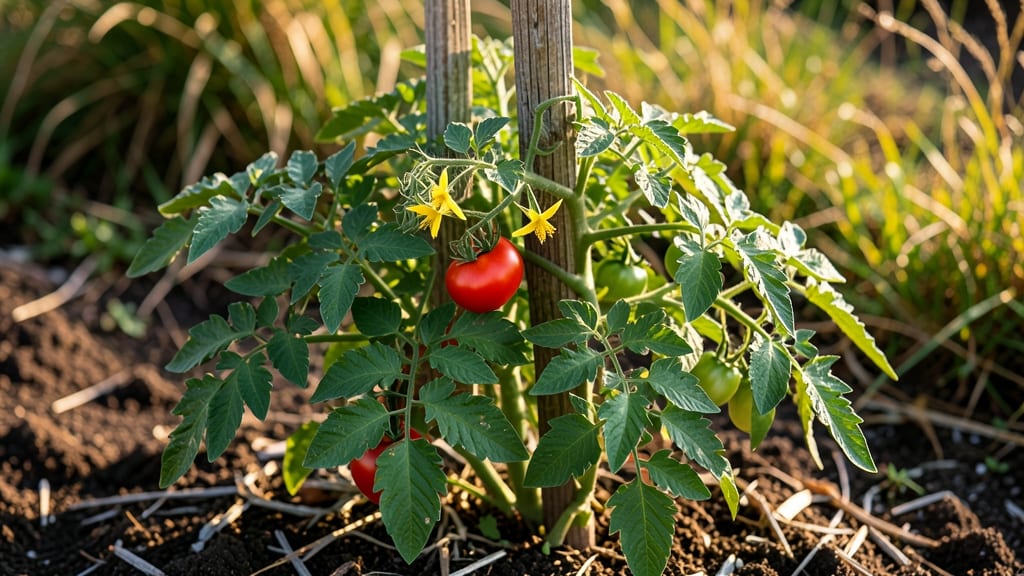
Growing tomatoes with the right sun requirements means 6 to 8 hours of direct sunlight daily—the difference between a bountiful harvest and struggling plants 🍅.
Too little light and your tomatoes stay small and tasteless; too much can scorch leaves and stunt growth. I’ve seen gardeners waste months adjusting soil or watering when the real issue was sunlight placement.
Here’s how to pinpoint the perfect spot for your tomatoes, whether you’re in a sunny backyard or a shady balcony. We’ll cover variety differences, seasonal tweaks, and how to spot when your plants are begging for more (or less) light.
By the end, you’ll know exactly how to position your tomatoes for maximum fruit production—no guesswork, just science-backed results.

How many hours of sun do tomatoes need for optimal growth?
Tomatoes are sun-worshippers, and getting their sunlight requirements right is the difference between a bountiful harvest and struggling plants. Most tomato varieties thrive with 6 to 8 hours of direct sunlight daily, but the exact needs depend on the type of tomato and your local climate.
Indeterminate varieties, like 'Sungold' or 'Brandywine', need the most light to keep producing fruit all season, while determinate types like 'Roma' can tolerate slightly less. Let’s break down the science so you can position your plants for success.
Your first step is understanding how sunlight changes as your plants grow. Seedlings need gentle light—only 4 to 6 hours of indirect sun to avoid scorching—while mature plants crave full sun. The key is transitioning them gradually to avoid shock.
In hot climates, afternoon shade can prevent sunburn, but in cooler regions, morning sun paired with afternoon shade often works best. Let’s dive into the specifics so you can tailor your approach to your garden’s conditions.
Measuring sunlight accurately is easier than you think. Use a sunlight tracker or a simple app like Sun Surveyor to log hours of direct sun in your garden.
If you’re working with partial shade, aim for at least 50% sunlight exposure—tomatoes can tolerate this, but fruit quality and yield will suffer.
For example, if your garden only gets 4 hours of direct sun, opt for determinate varieties or grow tomatoes in containers near a south-facing wall to reflect extra light.
Regional adjustments are critical. In hot, dry climates like Arizona or California, afternoon sun (after 2 PM) can scorch leaves, so provide 30–50% shade during peak heat. In contrast, cool, mild climates like the Pacific Northwest benefit from full sun all day, even in summer.
If you’re in a transitional zone, like the Midwest, focus on morning sun and afternoon shade to balance growth and protection. Always monitor your plants for signs of stress—yellowing leaves or sunburnt fruit are red flags.
For container gardeners, sunlight needs are even more critical because pots heat up faster. Choose light-colored containers to reflect excess heat and place them on elevated surfaces like trellises or stands to improve airflow.
If your balcony only gets 5 hours of sun, select compact determinate varieties like 'Tiny Tim' or 'Patio Princess'—they’re bred to thrive with slightly less light. Just remember, even partial shade means smaller fruit and lower yields, so prioritize the sunniest spot you have.
One common mistake is assuming all sunlight is equal. Morning sun (6 AM–12 PM) is gentler and helps prevent sunburn, while afternoon sun (12 PM–6 PM) is more intense.
If your garden loses afternoon light due to trees or buildings, consider reflective surfaces like white walls or mirrors to bounce extra light onto your plants. This trick can add 1–2 extra hours of effective sunlight, making a big difference for indeterminate varieties.
Pro tip: If you’re unsure about your garden’s sunlight, test it for a week using a DIY sunlight tracker. Place a white board or piece of paper in your planting spot and mark the sun’s shadow every hour.
Count the hours of direct sunlight—this gives you a clear baseline for adjusting your tomato placement. For example, if your test shows only 5 hours of sun, choose determinate varieties or supplement with grow lights for 2–3 hours daily to bridge the gap.
Finally, don’t forget that seasonal changes affect sunlight too. In spring and fall, days are shorter, so extend your growing season with
Signs your tomatoes aren’t getting enough (or too much) sunlight
If your tomato plants look weak or produce poor fruit, sunlight is likely the culprit. Too little sun stunts growth and reduces yields, while excessive sun can scorch leaves and fruit. Learn to spot the warning signs so you can adjust your garden setup before it’s too late.
Start by checking your plants for these common symptoms of sun stress. Pale or yellowing leaves often signal insufficient sunlight, while brown or crispy leaf edges mean your tomatoes are getting too much direct sun. Both issues can drastically reduce your harvest.
Diagnosing the problem is easier than you think. Observe your plants during peak sunlight hours—if they’re casting minimal shade or leaves are leaning toward light sources, they’re likely starved for sun. Conversely, white or grayish patches on leaves indicate sunburn.
Tomato Sunlight: Quick Fixes
- Move plants to sunnier spots
- Use reflective mulch (white gravel)
- Prune nearby shade-casting plants
- Add light shade cloth (30-50%)
- Water deeply in mornings to cool leaves
- Plant near tall crops for afternoon shade
Another red flag is blossom drop, where flowers fall off before fruiting. This often happens when plants get too much afternoon heat or inconsistent sunlight. If you notice this, try moving your tomatoes to a morning-sun location or providing afternoon shade.
For container-grown tomatoes, check your placement. Balconies or patios with west-facing exposure can bake plants, while east-facing spots might not provide enough afternoon sun. Rotate containers weekly to ensure even light exposure.
Use this quick checklist to diagnose issues: Are leaves pale or yellowing? Is growth stunted or leggy? Are fruits small or misshapen? If you answered yes to any, adjust your plants’ sunlight exposure immediately to save your harvest. 🌱