
Vegetables
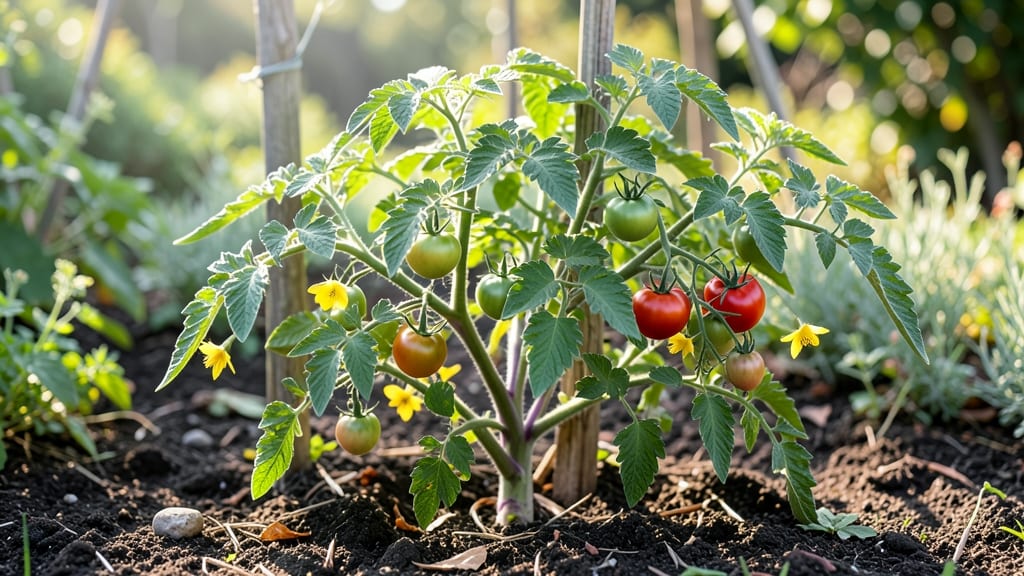
Growing tomatoes thrives in a temperature range of 50°F to 95°F, but push those numbers too far and you’ll watch your plants struggle—or worse, give up entirely.
Did you know tomatoes can wilt or fail to produce fruit if temperatures stray too far from their ideal range? Mastering the perfect tomato temperature range is the secret to a thriving garden and bountiful harvests—whether you're growing in containers or sprawling rows.
From seedlings to fruiting, each stage of a tomato’s life has its own sweet spot—daytime highs of 70°F to 85°F for flowering and nighttime lows above 55°F to prevent stress.
Too hot, and blossoms drop; too cold, and growth stalls. Here’s how to keep your 🍅 plants happy through every season.
We’ll break down the exact ranges for germination, flowering, and fruit set, plus how to shield your plants from heatwaves or chilly surprises—so you can enjoy tomatoes that ripen perfectly, every time.
Optimal temperature range for tomato growth and fruit development
Tomatoes thrive within a specific temperature range, and understanding these ideal conditions ensures healthy plants and abundant fruit production. While they love warmth, too much heat or cold can stunt growth or even kill your plants.
Each stage—from seedlings to fruiting—has unique temperature needs, and even a 5°F difference can impact yield. Let’s break down the perfect tomato temp range for every growth phase.
For seedlings and young plants, the ideal daytime temperature is between 70°F and 80°F (21°C–27°C), while nights should stay above 55°F (13°C). If temperatures drop below 50°F (10°C), seedlings may struggle to establish roots or develop properly.
This is especially critical for container-grown tomatoes, which cool down faster than in-ground plants. Even a brief cold snap can set back growth by weeks.
Once your tomatoes transition to vegetative growth, they can handle slightly warmer days—75°F to 85°F (24°C–29°C)—but nights should remain above 60°F (16°C). This range encourages strong stem and leaf development, setting the stage for flowering.
If daytime temps exceed 90°F (32°C), however, plants may bolt (flower prematurely) or develop sunburned leaves, reducing overall vigor.
Here’s a quick reference for the ideal tomato temperature range across all growth stages, including soil vs. air temperature considerations:
The flowering stage is particularly sensitive to temperature fluctuations. When nights dip below 55°F (13°C), pollen production drops, leading to poor fruit set. Conversely, daytime temps above 90°F (32°C) can cause flowers to abort before pollination, a condition called blossom drop.
To mitigate this, I’ve found that drip irrigation during heatwaves helps maintain stable soil moisture and temperature, keeping roots cool and active.
Monitoring soil temperature is just as critical as tracking air temperature. Tomatoes prefer soil temps between 70°F and 80°F (21°C–27°C) for optimal root activity. Use a soil thermometer to check—especially in container gardens, where soil heats up faster.
If your soil runs cooler than 60°F (15°C), roots may struggle to absorb nutrients, stunting growth. In cooler climates, black plastic mulch can raise soil temps by 5–10°F, giving your tomatoes a head start.
During the fruiting stage, tomatoes need consistent warmth to develop flavor and size. Daytime temps of 75°F to 85°F (24°C–29°C) are ideal, but nights should never fall below 60°F (16°C). If temps climb above 95°F (35°C), fruit may split, crack, or turn bland.
In my garden, I’ve used shade cloth (30–50%) during peak afternoon heat to protect ripening tomatoes without sacrificing sunlight entirely. This simple trick has doubled my harvest in hot summers.
Extreme heat or cold can also stress tomatoes by altering their
How to protect tomatoes from extreme heat or cold damage
Extreme temperatures can devastate your tomato plants, causing blossom drop, stunted growth, or even plant death. When daytime temps soar above 90°F (32°C) or nighttime dips below 50°F (10°C), tomatoes struggle to set fruit or survive.
The key is proactive protection—whether through shade, insulation, or smart watering—before damage occurs.
I’ve learned the hard way that heat stress causes sunscald on fruit and cold snaps halt flowering entirely. My cherry tomatoes once wilted in a single afternoon when temps hit 95°F (35°C).
The solution? A mix of physical barriers, soil insulation, and water management tailored to your climate. Let’s break down the best tactics for both extremes.
Ideal range: 70–85°F (21–29°C) daytime, 60–70°F (15–21°C) nighttime. Danger zones: Above 90°F (32°C) or below 50°F (10°C) for prolonged periods. Seedlings need 60–70°F (15–21°C) to thrive—colder temps stunt growth, while heat shocks roots.
For heatwaves, prioritize shade cloth (30–50% coverage) to filter sunlight without cutting off airflow. I use floating row covers on my indeterminate varieties during peak afternoon heat. Pair this with drip irrigation to keep soil consistently moist—dry roots can’t absorb water efficiently in high temps.
Mulch with straw or wood chips to retain moisture and cool soil.
Cold damage is equally sneaky. When temps drop below 50°F (10°C), tomatoes go dormant, and flowers fail to pollinate. My trick? Black plastic mulch absorbs heat during the day and radiates it back at night.
For container tomatoes, wrap pots in bubble wrap or move them to a sunny garage overnight. Row covers (lightweight fabric) also work—just remove them during the day to prevent overheating.
Greenhouses or cold frames are game-changers for extended seasons. I’ve used low-cost hoop houses covered with clear plastic to protect my heirloom tomatoes in early spring and late fall.
Ventilation is key—crack a window or use a fan to prevent heat buildup. For urban gardeners, even a large terracotta pot moved indoors at night can save your plants.
Monitor your plants daily. Wilting leaves in heat often mean roots are struggling, while purple stems signal phosphorus deficiency from stress. Adjust your strategy: add compost tea for heat-stressed plants or fertilize lightly after a cold snap to boost recovery.
With these tactics, you’ll keep your tomatoes thriving—no matter the weather whiplash.