
Leaf Blower
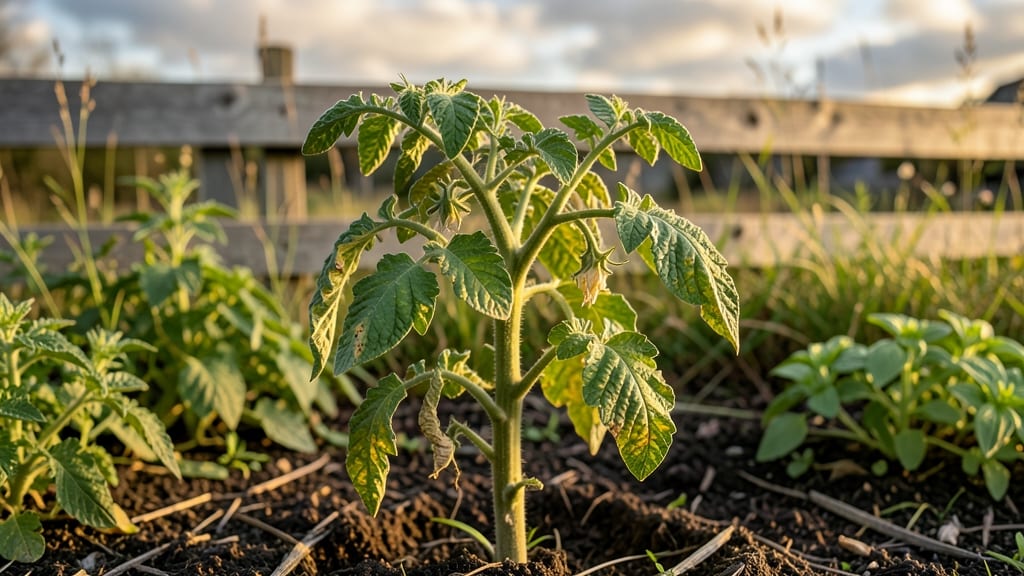
When tomato leaves start curling upward like a crumpled paper bag, Tomato Yellow Leaf Curl Virus (TYLCV) is often the culprit—and it spreads faster than you think. 🌱 I’ve watched this stubborn virus turn healthy plants into sad, stunted shadows, but there are ways to fight back before it takes over your garden.
The virus hitches a ride on whiteflies, and once it’s in your plants, it’s nearly impossible to cure. But you can stop it from spreading: start with resistant varieties like ‘Mountain Merit’ or ‘Defiant PhR,’ then keep whiteflies in check with sticky traps and neem oil.
The key is acting fast—once symptoms appear, it’s usually too late to save that plant. What you can save is your entire garden. Remove infected plants immediately (don’t compost them!), clean your tools with rubbing alcohol, and inspect new plants before bringing them home.
Prevention isn’t just about sprays—it’s about breaking the virus’s life cycle before it starts. This isn’t a hopeless battle. With the right mix of vigilance and organic controls, you can keep TYLCV from turning your tomato harvest into a disappointment. Let’s get your plants back on track.
Root causes of leaf curl spread
When your tomato plants start showing signs of yellowing leaves, curling edges, and stunted growth, the culprit is often a tiny but mighty virus—one that thrives in specific conditions and spreads with alarming efficiency.
Understanding why this happens is the first step to stopping it. Below, we break down the key factors that turn your lush tomato plants into sad, shriveled shadows.
The tomato yellow leaf curl virus (TYLCV) doesn’t spread on its own—it hitches a ride on whiteflies, tiny sap-sucking insects that are nearly invisible to the naked eye. Here’s how it works:
- Viral Transmission: Whiteflies feed on infected plants, picking up the virus in their saliva. When they move to healthy plants, they inject the virus into the new host through their proboscis (mouthpart), causing infection within days.
- Rapid Multiplication: A single whitefly can lay hundreds of eggs in its lifetime, creating a breeding ground for virus spread. Warm, dry conditions (like those in greenhouses or summer gardens) accelerate their reproduction.
- Non-Persistent Virus: Unlike some viruses, TYLCV doesn’t linger in the whitefly’s body for long—meaning they can transmit it immediately after feeding on an infected plant. This makes early intervention critical.
💡 Pro Tip: Check the undersides of leaves for whiteflies—especially in hot, sunny spots. If you see tiny white specks darting away when you disturb the plant, you’ve got a problem.
TYLCV doesn’t just spread—it explodes under the right conditions. Here’s why heat and drought create the perfect storm:
| Factor | How It Helps the Virus |
|---|---|
| High Temperatures (80°F+ / 27°C+) | Whiteflies thrive in heat, increasing their numbers and movement. The virus also replicates faster in warm plant tissues. |
| Low Humidity | Dry air weakens plants, making them more susceptible to viral attacks. It also reduces natural predators (like ladybugs) that might control whiteflies. |
| Greenhouse or Protected Growing | Enclosed spaces trap heat and whiteflies, creating a viral hotspot. Outdoor plants in hot climates (e.g., Mediterranean regions) are also at high risk. |
⚠️ Warning: If you’re growing tomatoes in a greenhouse or during a heatwave, monitor plants daily for early symptoms like upward-curling leaves or yellowing veins.
Healthy tomato plants have natural defenses, but stress makes them vulnerable. Here’s what weakens them and invites TYLCV:
- Nutrient Deficiencies: Lack of potassium, phosphorus, or nitrogen stresses plants, reducing their ability to fight off infections. Yellowing leaves (often starting at the edges) can mimic deficiency symptoms—but viral curl is usually paired with stunted growth and distorted leaves.
- Overcrowding: Plants competing for light, water, and nutrients become physically stressed, with thinner cell walls that make it easier for viruses to invade.
- Poor Drainage or Overwatering: Root rot or waterlogged soil weakens plants, while underwatering in hot weather causes osmotic stress, making them more attractive to whiteflies.
- Previous Viral or Bacterial Infections: Plants already battling other pathogens (like tomato mosaic virus) are more likely to succumb to TYLCV.
🌱 Action Step: Before symptoms appear, boost plant health with:
- Balanced organic fertilizer (e.g., compost tea or fish emulsion).
- Proper spacing (18–24 inches apart) for airflow.
- Mulching to retain moisture and regulate soil temp.
While TYLCV primarily spreads via whiteflies, humans accidentally transport it too. Here’s how:
- Infected Plant Sap on Tools: Pruners, gloves, or even your hands can carry viral particles from infected to healthy plants. The virus is not seed-borne, but it can survive on tools for short periods.
- Transplanting Infected Seedlings: If you buy or save seeds from infected plants, the virus may be present in the grafts or cuttings (though not the seeds themselves).
- Wind or Water Splashes: In rare cases, the virus can spread via mechanical damage (e.g., rain splashing sap onto nearby plants).
🔥 Prevention Tip: Always disinfect tools with a 10% bleach solution or 70% alcohol between plants. If you’re pruning, sterilize after every cut—especially in high-risk areas.
How to Treat and Prevent Leaf Curl
When your tomato plants show signs of yellowing, curling, or stunted growth, acting fast is key to saving your garden. The tomato yellow leaf curl virus (TYLCV) spreads quickly, but with the right organic methods, you can minimize damage and protect future crops.
Below are targeted cause-specific solutions, along with prevention tips to keep your tomatoes thriving.
---
Cause: Viral spread through aphids or contaminated tools. Fix: - 🔪 Snip and discard infected plants (don’t compost them—the virus can survive). - 🌱 Quarantine healthy plants 10+ feet away from infected ones to prevent cross-contamination. - 🧼 Sterilize pruners with rubbing alcohol (70%+) between cuts to avoid spreading the virus.
Pro Tip: 💡 If you’re unsure whether a plant is infected, check for yellowing veins, upward-curling leaves, or stunted growth—these are classic TYLCV symptoms.
---
Cause: Weakened plants are more susceptible to viral attacks. Fix: - 🌱 Apply neem oil or compost tea (1:10 ratio) as a foliar spray to enhance plant immunity. - 🥗 Use fish emulsion or seaweed extract (2 tbsp per gallon of water) every 2–3 weeks for nutrient support. - 🌿 Mulch with straw or grass clippings to reduce soil-borne stress and improve root health.
Pro Tip: 🌡️ Morning applications work best—avoid spraying when leaves are wet (fungus risk).
---
Cause: Aphids (especially whiteflies) transmit TYLCV while feeding. Fix: - 🕷️ Introduce beneficial insects: - Ladybugs (release 10–20 per plant). - Lacewings (lay eggs near infected areas). - Parasitic wasps (like Aphidius colemani). - 🧼 Spray soapy water (1 tsp mild soap + 1 quart water) to knock off aphids (reapply every 3–4 days). - 🍃 Install yellow sticky traps near plants to catch flying aphids before they spread.
Pro Tip: ✨ Plant companion crops like marigolds or basil—they repel aphids naturally!
---
Cause: Windborne viruses and contaminated seeds/sap. Fix: - 🛡️ Use fine mesh row covers (10–15 mesh) to block aphids while allowing pollination. - 🌱 Start seeds indoors (TYLCV is seed-borne—only use certified disease-free seeds). - 🚫 Avoid overhead watering—use drip irrigation to keep leaves dry (reduces aphid attraction).
Pro Tip: 🎯 Rotate crops annually—don’t plant tomatoes or peppers in the same spot every year to break the virus cycle.
---
Cause: Persistent soil and plant debris harbor the virus. Fix: - 🔄 Plant non-host crops (like beans or lettuce) in affected beds to starve out the virus. - 🌱 Solarize soil in late summer: - Cover beds with clear plastic for 4–6 weeks to kill virus particles in the soil. - 🍅 Choose resistant varieties (e.g., ‘Heatmaster,’ ‘Solar Fire,’ or ‘Defiant PhR’ tomatoes).
Pro Tip: 🔥 Test your water—if using recycled water, boil it for 10 minutes to kill any viral particles before irrigating.
--- By combining immediate removal, organic strengtheners, aphid control, and smart prevention, you can protect your tomato plants and enjoy a bountiful harvest—without relying on chemicals. Stay vigilant, and your garden will bounce back stronger! 🍅💪
Frequently asked questions about tomato yellow leaf curl virus
Can infected tomato plants recover once they show symptoms?
Unfortunately, there’s no cure for TYLCV once symptoms appear. The virus disrupts plant growth at a cellular level, and infected plants will continue declining. Your best move is to remove them immediately (don’t compost!) to prevent spread to healthy plants.
How can I tell if whiteflies are spreading the virus in my garden?
Check the undersides of leaves for tiny white specks that dart away when disturbed. Place yellow sticky traps near plants—if you catch whiteflies, you’ve got a transmission risk. Early detection is key to stopping TYLCV before it takes hold.
Are there chemical-free ways to control whiteflies organically?
Try these methods:
- Release 10-20 ladybugs per plant (they eat whitefly eggs)
- Spray soapy water (1 tsp mild soap per quart) every 3-4 days
- Plant marigolds or basil nearby as natural repellents
Can I still grow tomatoes safely after removing infected plants?
Yes, but you’ll need to sterilize your soil first. Solarize affected beds by covering with clear plastic for 4-6 weeks in summer heat to kill virus particles. Also rotate crops—don’t replant tomatoes in the same spot for at least 3 years.
Do resistant tomato varieties really work against TYLCV?
Yes! Varieties like 'Defiant PhR' or 'Mountain Merit' are bred to tolerate TYLCV better. While no variety is 100% immune, they’ll show fewer symptoms and produce more fruit. Always buy certified disease-free seeds for best results.