
Planting
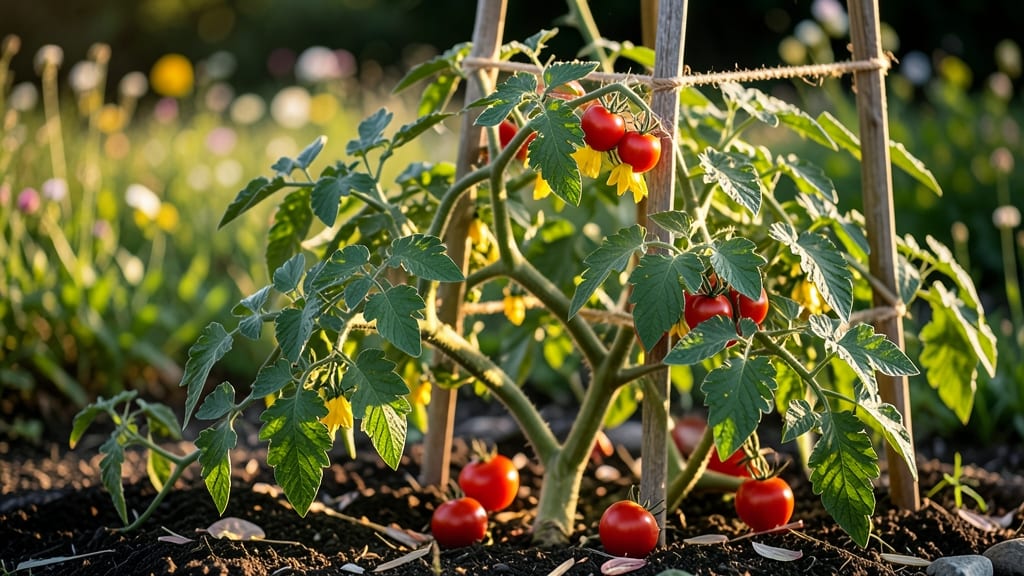
Growing the Topsy-Turvy tomato plant means bountiful harvests in small spaces—this indeterminate variety thrives when pruned aggressively yet keeps producing like a workhorse. 🌱 I’ve grown them in containers, along trellises, and even in my backyard’s tightest corners, and they never disappoint with their compact vines and relentless fruit set.
The secret lies in its resilience after pruning—unlike other tomatoes that sulk when cut back, Topsy-Turvy rebounds with fresh shoots and keeps yielding.
You’ll need full sun (6-8 hours daily), well-draining soil, and consistent moisture, but the payoff is worth it: heavy clusters of sweet, meaty tomatoes that ripen over weeks, not just days.
Start with sturdy stakes or cages to support the vines as they grow, and prune suckers regularly to encourage bushier growth. By mid-summer, you’ll have a compact, productive plant that outperforms many larger varieties in the same space.
This variety excels in containers (5+ gallons), raised beds, or small gardens—perfect for urban growers or anyone short on space. Let’s get those vines thriving!
📚 In This Guide
- What you need
- Instructions
- Tips and common mistakes
- Wrapping up and next steps
What you need
- ● Topsy-Turvy tomato seeds or seedlings: 1–3 plants (choose disease-resistant varieties like 'Topsy-Turvy' or 'Tumbling Tom').
- ● Growing containers or fabric pots: 5–7 gallon size (one per plant for optimal growth).
- ● High-quality potting mix: 1 bag (look for a blend with compost or aged manure).
- ● Slow-release fertilizer: 10–20 lb bag (or organic options like worm castings).
- ● Support system: Topsy-Turvy tomato cages: 2–3 per plant (or DIY with sturdy wire mesh).
- ○ Trellis or stakes: Optional for extra support (if vines get heavy).
- ● Watering can or hose with a gentle nozzle: For even moisture without disturbing roots.
- ● Pruning shears or scissors: Sharp and clean (sterilize with rubbing alcohol).
- ● Mulch (straw or shredded leaves): 1–2 inches to retain moisture and suppress weeds.
- ● Grow lights or sunny windowsill: If starting seeds indoors (6–8 weeks before last frost).
- ● Plant markers: To label varieties (especially useful if growing multiple types).
- ● Liquid fertilizer (fish emulsion or seaweed extract): For a mid-season nutrient boost.
- ● Insect netting: To protect from pests like hornworms or birds.
- ● Garden gloves: For comfortable handling (especially when pruning thorny vines!).
Step-by-step instructions for growing a topsy-turvy tomato plant
Here's how to cultivate a resilient, space-saving tomato plant that thrives after aggressive pruning.
🌱 Step 1: Select and Prepare the Right Variety
Choose a determinate tomato variety like 'Tiny Tim' or 'Patio Princess'—these naturally compact types handle pruning better than indeterminate vines. Start with healthy 4-week-old seedlings (not older) to avoid transplant shock. I always inspect the base stem for signs of disease before planting, because a weak start leads to poor recovery after pruning.
If starting from seed, plant 1/4 inch deep in seedling trays with sterile potting mix and maintain 75-80°F soil temperature for fastest germination. Once true leaves appear, harden off seedlings by exposing them to outdoor conditions for 1-2 hours daily over 7 days before transplanting.
🪴 Step 2: Plant in a Supportive Container or Ground Bed
Use a 5-gallon container with drainage holes or a raised bed for best results. Fill with well-draining soil mixed with compost (I use a 60/40 ratio). Plant seedlings 12-18 inches apart to allow airflow and prevent fungal issues. The deeper you plant, the stronger the root system—bury 2/3 of the stem to encourage additional root growth.
After planting, water deeply until moisture reaches 6 inches deep. This initial soak helps roots establish before pruning begins. Avoid overhead watering to prevent fungal spores from splashing onto leaves. Instead, use a soaker hose or water at the base.
✂️ Step 3: Prune Strategically for Compact Growth
Begin pruning when the plant reaches 12 inches tall. Remove the top set of leaves (just above a leaf cluster) to encourage bushier growth. I always use clean, sharp pruners to avoid tearing stems. Prune in the morning when plants are hydrated and wounds can seal quickly.
After each pruning, step back and check for balanced growth. Aim to maintain 3-4 main stems with 12-18 inches between leaf clusters. This spacing prevents overcrowding and improves airflow. If you see suckers (small shoots in leaf axils), pinch them off early—removing them when they're 1 inch long is easiest.
☀️ Step 4: Maintain Light, Water, and Fertility
Place the plant in full sun (6-8 hours daily)—topsy-turvy tomatoes need strong light to recover after pruning. If growing in containers, rotate the pot quarter-turn weekly to prevent leaning. Water deeply 2-3 times per week, ensuring the top 4 inches of soil dry out between waterings. Overwatering causes root rot, which weakens the plant's ability to bounce back.
Fertilize with a balanced 10-10-10 formula every 4-6 weeks starting at planting. After the first pruning, switch to a low-nitrogen, high-phosphorus fertilizer (like 5-10-10) to encourage flowering and fruiting. I also add compost tea monthly for extra nutrients without burning the plant.
🌿 Step 5: Monitor and Adjust for Recovery
Watch for new growth within 7-10 days after pruning—this signals the plant is recovering. If growth stalls, check for pests (aphids, whiteflies) or disease (early blight, powdery mildew). Treat pests immediately with neem oil and remove infected leaves. Prune again when the plant reaches 24 inches tall, repeating the same technique to maintain compactness.
Harvest tomatoes when they're fully colored and slightly soft to touch. Regular harvesting encourages more fruit production. By mid-season, your topsy-turvy tomato should be dense, bushy, and resilient—ready to handle another round of pruning if needed. This method ensures a compact, high-yield plant that keeps producing even after aggressive trimming.
Tips & tricks for perfect topsy-turvy tomato plants
These insider tricks will help your compact tomato thrive after aggressive pruning—and keep producing like a champ.
Variety Selection: Determinate varieties like 'Tiny Tim' or 'Patio Princess' are built for this method, but if you're tempted to try indeterminate types, don't! Their vines keep growing indefinitely, making them far less resilient to repeated pruning. The compact nature of determinate varieties is what makes them bounce back so well after aggressive trimming.
Pruning Timing: I've learned the hard way that morning pruning is non-negotiable. When you prune in the morning, the plant's natural hydration helps wounds seal faster, reducing infection risk. Plus, the sun's warmth during the day gives the plant energy to recover quickly. If you must prune later, do it at least 4 hours before sunset to give the plant time to recover.
Soil Temperature Matters: Maintaining that 75-80°F soil temperature during germination isn't just about speed—it's about strength. Cooler soils slow root development, making seedlings more vulnerable to transplant shock. I've found that using a seedling heat mat for the first week gives seedlings a head start, especially in cooler climates. This extra strength pays off when you start pruning.
Watering Wisdom: That deep watering to 6 inches isn't just about initial establishment—it's about creating a strong root system that can handle pruning stress. After pruning, I always give my plants a deep watering to help them recover. This technique mimics natural rainfall patterns and encourages roots to grow deeper, making the plant more resilient to future pruning sessions.
Pro Tips for Topsy Tomato Plant
- These insider tricks will help your compact tomato thrive after aggressive pruning—and keep producing like a champ.
- Variety Selection: Determinate varieties like 'Tiny Tim' or 'Patio Princess' are built for this method, but if you're tempted to try indeterminate types, don't!
- Pruning Timing: I've learned the hard way that morning pruning is non-negotiable.
Frequently asked questions
Got questions about growing topsy-turvy tomato plants? You’re not alone! Here are answers to the most common queries—so you can prune, grow, and harvest with confidence.
What makes topsy-turvy tomatoes different from regular tomato plants?
The topsy-turvy variety is bred to thrive with heavy pruning—unlike traditional indeterminate tomatoes, which struggle when topped. Its compact vines regrow quickly, making it perfect for container gardens or small spaces. Plus, it produces fruit after pruning, unlike most tomatoes that pause flowering.
How soon after pruning will my topsy-turvy tomato plant produce fruit?
Expect new growth (and flowers!) within 2–4 weeks after pruning, depending on light, warmth, and care. The plant’s unique resilience means it often rebounds faster than standard tomatoes. Just keep pruning every 2–3 weeks to encourage continuous harvests.
Can I grow topsy-turvy tomatoes in containers, or do they need a garden bed?
This variety is container-friendly—use a 5-gallon pot or larger with drainage. For best results, choose a self-watering pot or bury the container in the ground to stabilize it. Just ensure it gets 6+ hours of sun daily and fertilize weekly during fruiting.
Why aren’t my topsy-turvy tomatoes fruiting after pruning?
Check these fixes:
- Light: Move to a sunnier spot (they need full sun).
- Water: Keep soil consistently moist (not soggy).
- Fertilizer: Switch to a low-nitrogen, high-phosphorus feed (like 5-10-10) to boost flowering.
- Pruning: Avoid cutting too aggressively—leave 3–4 leaves above the pruning point.
Are topsy-turvy tomatoes as flavorful as heirloom varieties?
Yes! While they’re bred for productivity and pruning tolerance, many gardeners report sweet, juicy flavors comparable to heirlooms. For even better taste, prune less aggressively in late summer to let vines mature. Try the ‘Topsy-Turvy’ (cherry) or ‘Topsy-Turvy Red’ (slicing) varieties for a balance of yield and flavor.
Wrapping up and next steps
Growing a topsy-turvy tomato plant is a rewarding way to enjoy compact, productive vines that thrive even after pruning! With the right care—like proper spacing, pruning techniques, and a little patience—you’ll harvest juicy, flavorful tomatoes in no time. 🌱
Ready to take the next step? Start by selecting your favorite variety, gather your supplies, and give this space-saving method a try! Whether you’re a seasoned gardener or a beginner, your tomato patch will thank you for the love and attention.