
Planting
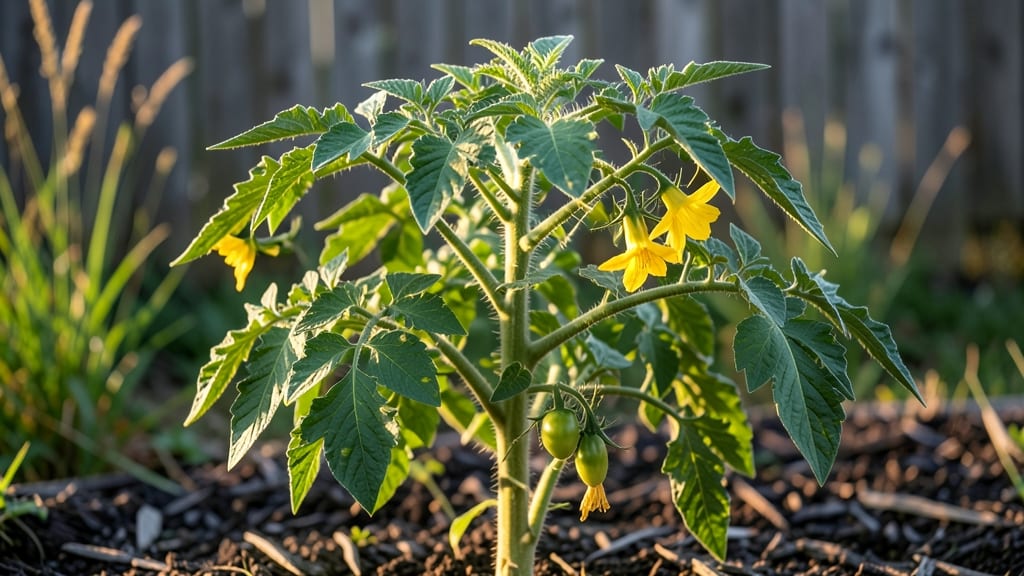
A hybrid tomato plant is a crossbred variety developed by combining traits from two different parent plants to improve disease resistance, flavor, yield, or adaptability, often outperforming heirloom or F1 varieties in specific growing conditions.
A hybrid tomato plant results from carefully controlled breeding between two distinct parent varieties, creating offspring with targeted improvements like stronger disease resistance or larger fruit. 🌱 Unlike heirloom tomatoes, which rely on open pollination and maintain consistent traits over generations, hybrids are designed for specific growing challenges—whether it's thriving in hot climates or resisting common pests.
This precision breeding often leads to more reliable yields, making them a favorite among commercial growers and home gardeners seeking consistency.
What sets hybrids apart is their ability to combine the best qualities of different varieties without the unpredictability of heirlooms. For example, a hybrid might inherit the sweetness of one parent while gaining the crack-resistant skin of another.
While F1 hybrids (first-generation crosses) produce uniform plants, many gardeners prefer open-pollinated hybrids because they can save seeds from the first generation, unlike true F1 varieties.
💡 In This Article
- How Hybrid Tomato Plants Are Created and Their Genetic Advantages
- Choosing Between Hybrid, Heirloom, and F1 Tomato Varieties for Your Garden
How hybrid tomato plants are created and their genetic advantages
The creation of hybrid tomato plants begins with controlled cross-pollination in a greenhouse or breeding facility. Unlike heirloom varieties that rely on natural pollination, breeders manually transfer pollen from one parent plant to another using small brushes or other tools.
This precision allows them to combine specific traits—like disease resistance from one variety and high yield from another—into a single offspring. 🌱 For example, a breeder might cross a disease-resistant cherry tomato with a large slicing variety to create a hybrid that resists common blights while producing 8-ounce fruits.
Hybrids inherit these targeted traits through genetic dominance, where one parent's genes overpower others. This creates plants with uniform characteristics—consistent fruit size, ripening times, and resistance to pests like aphids or fungal diseases. Unlike heirlooms, which can vary widely in traits from plant to plant, hybrids deliver predictable performance.
For instance, the popular 'Celebrity' hybrid tomato consistently produces 6-8 ounce fruits with 90% disease resistance compared to heirlooms that might yield irregularly sized tomatoes with varying flavor profiles.
One key advantage is hybrid vigor, or heterosis, where the offspring outperforms both parents in growth rate and fruit production. This is why hybrids often yield 20-30% more tomatoes per plant than heirlooms under the same conditions.
However, this comes with a trade-off: most hybrids are F1 hybrids (first-generation crosses), meaning their seeds won't produce true-to-type plants. Unlike heirlooms, which can be saved and replanted year after year, F1 hybrids require purchasing new seeds annually.
Open-pollinated hybrids offer a middle ground—they're bred for specific traits but allow gardeners to save seeds from the first generation. These hybrids might combine the flavor complexity of heirlooms with the disease resistance of commercial varieties.
For example, 'Sungold' (a hybrid) produces sweet, golden-orange cherry tomatoes with 85% uniformity in ripening, making it ideal for container gardening where space is limited.
Breeders also focus on regional adaptability, creating hybrids suited to specific climates. A heat-tolerant hybrid like 'Heatmaster' can thrive in 90°F+ temperatures where heirlooms might bolt or produce bitter fruit. This targeted breeding ensures hybrids often outperform other types in challenging growing conditions, from urban rooftops to drought-prone areas.
Understanding these genetic advantages helps gardeners choose the right plants for their needs—whether prioritizing flavor, yield, or adaptability. The precision of hybrid breeding means you're not just growing tomatoes; you're cultivating plants engineered to succeed in your specific environment. 🌿