
Pests and Diseases
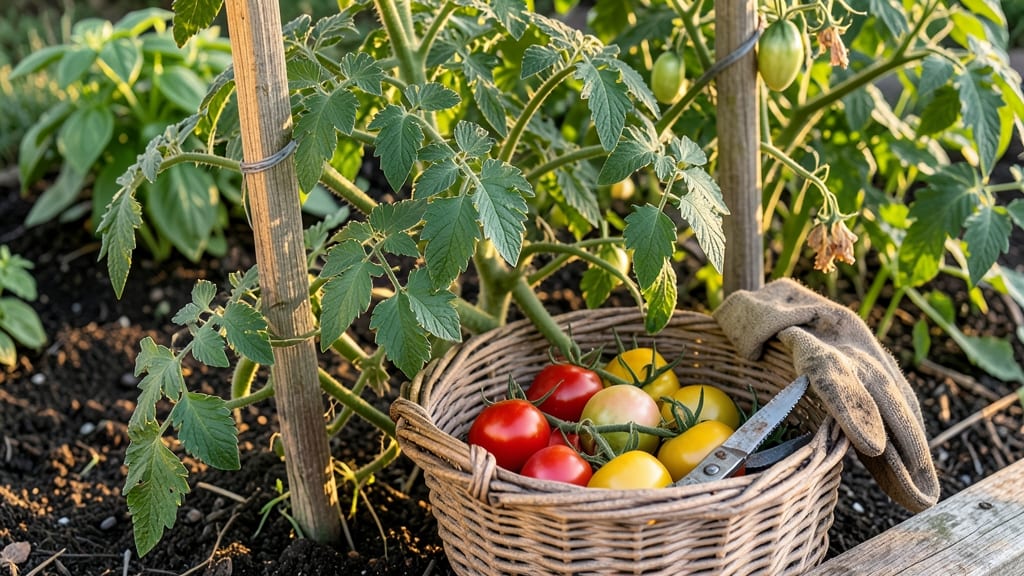
A tomato is ready to pick when its color deepens, the stem snaps cleanly, and a gentle squeeze yields just a little 🍅 — those three signs are all you need to know for peak flavor.
Picture this: you’ve waited months for that first ripe tomato, only to bite into one that’s still hard or bland. That’s the difference between picking at the right moment and missing it entirely.
The good news? With just a few simple tests, you can tell when your tomatoes are truly ready to harvest.
Most gardeners focus on color, but the real secrets are in the stem and texture. A ripe tomato will pull away from the vine with minimal effort, and its skin will give slightly when pressed—like a ripe peach.
Ignore these cues, and you might end up with fruit that’s either too firm or already overripe.
In this guide, I’ll walk you through the exact visual and tactile clues to harvest your tomatoes at their sweetest, plus how to avoid common mistakes that ruin flavor. No more guesswork—just perfect, juicy results every time.


Tomato ripeness tests: color, squeeze, and stem signs explained
There's nothing quite like the first bite of a perfectly ripe tomato—juicy, sweet, and bursting with flavor. But how do you know when your homegrown tomatoes have reached that ideal stage? I've learned that relying on just one method isn't enough.
You need to combine three key indicators: color, squeeze resistance, and stem separation. Each variety—whether it's a heirloom, cherry, or beefsteak—has subtle differences in how these signs appear.
Let's start with the most obvious clue: color. While red is the classic sign for many varieties, tomatoes come in every shade from yellow to purple. The key is consistency—look for a deep, uniform hue without any lingering green at the stem end.
For example, a Brandywine heirloom should turn a rich pinkish-red, while a Sun Gold cherry will develop a vibrant golden-orange. Pay attention to the entire surface, not just one side that might have caught more sun.
Here's where many gardeners go wrong: they assume color alone means ripeness. That's why the gentle squeeze test is my second essential method. A ripe tomato should have just a slight give when you press your thumb gently—imagine pressing a ripe peach. If it feels rock-hard, it's not ready yet.
If it's too soft or mushy, it's overripe. This test works especially well for beefsteak varieties, which can appear fully colored but still be firm and underripe. Always test near the stem end, where ripening often starts.
| Ripeness Test | Heirloom Varieties (e.g., Brandywine) | Cherry Varieties (e.g., Sweet 100) | Beefsteak Varieties (e.g., Arkansas Traveler) |
|---|---|---|---|
| Color | Deep pinkish-red with no green at stem end | Vibrant yellow/orange/red (varies by type) | Rich red or pink with even color distribution |
| Squeeze Test | Gives slightly near stem but holds shape when released | Very slight yield (like pressing a softball) | Firm but with noticeable softness at blossom end |
| Stem Separation | Stem snaps cleanly when twisted gently | Tomato drops easily with slight tug | Stem pulls away with minimal resistance |
| Scent | Sweet, fruity aroma near stem | Light sweet smell when gently squeezed | Strong tomato-like fragrance |
| Blossom End | May show slight softening first | Often ripens evenly all around | Blossom end softens noticeably |
The third and most reliable test is checking the stem separation. A ripe tomato should separate from the vine with just a gentle twist or slight tug. This is your signal that the tomato has fully matured and is ready to pick.
For cherry tomatoes, this often means they'll actually drop into your hand when ready. With larger varieties, you'll feel the tomato release from the stem with minimal force. If you're struggling to pull it away, it's not quite ready yet.
One common mistake I see is picking tomatoes based solely on color, especially with green-shouldered varieties like Green Zebra. These tomatoes often keep their green shoulders even when ripe. That's why I always combine all three tests.
Another pro tip: check the blossom end (the opposite end from the stem). This is where ripening often begins, and you'll see softening before it spreads to the rest of the tomato. For beefsteak varieties, this can be particularly telling as they ripen from the inside out.
Don't overlook the scent either—it's a subtle but powerful indicator. A ripe tomato should have a sweet, fruity aroma near the stem end. If you can't smell anything, it's likely not ready. For heirloom varieties, this scent is often more pronounced than in commercial types.
And if your tomatoes develop a fermented or rotten smell, they've gone too far and should be used immediately or composted. Timing is everything when it comes to that perfect tomato flavor!
I've also learned that environmental factors can affect ripeness tests. For example, cool nights can delay color development, while hot days might make tomatoes ripen faster. That's why I always check all three indicators rather than relying on one.
And remember, early morning is the best time to harvest—it's cooler, and the tomatoes will be firmer and more flavorful. If you're unsure, it's better to wait a day or two rather than picking too early and sacrificing that sweet, juicy perfection.
For gardeners in Zone 6a or cooler climates, you might need to pick tomatoes slightly earlier to avoid early frost damage. In these cases, you can still get great flavor by using the squeeze test and stem separation as primary indicators, even if the color isn't fully developed.
Just be sure to ripen them indoors using the ethylene trick (placing them in a paper bag with a banana or apple) to develop full flavor. The key is to pick at the right moment—not too soon, not too late.
Finally, keep a small harvest journal to track when your specific varieties reach peak ripeness. Note the day count from transplanting, the weather conditions, and which tests worked best for your plants. Over time, you'll develop an
Common mistakes that make tomatoes ripen too early or too late
Even with the best growing conditions, some tomatoes ripen too early—bursting open on the vine—or stay stubbornly green long after they should be ready. These issues often stem from common growing mistakes that disrupt the natural ripening process.
I’ve seen overcrowded plants produce small, early tomatoes while underwatered vines hold onto green fruit well past their prime. Let’s break down why this happens and how to fix it before your next harvest.
One of the biggest culprits is poor pollination, especially in greenhouses or shady spots where bees struggle to visit. Without proper pollination, tomatoes may set fruit but never fully ripen, leaving you with blossom-end rot or tiny, underdeveloped tomatoes.
Another red flag is temperature stress: cold nights below 50°F or scorching afternoons above 90°F can halt ripening entirely. Even over-fertilizing with nitrogen shifts energy toward leafy growth instead of fruit maturation.
⚠️ When Is a Tomato Really Ready to Pick?
Don’t rely on color alone! A truly ripe tomato should pass three tests:
- Color: Deep, even hue (no green stem end)
- Squeeze: Yields slightly to gentle thumb pressure
- Stem: Separates cleanly when twisted
If your tomatoes are ripening too early, overcrowding is likely the issue. Plants competing for sunlight and nutrients produce smaller fruit that matures faster. Thin your plants to 18-24 inches apart and prune suckers to improve airflow.
For late-ripening tomatoes, check your sunlight exposure: tomatoes need 6-8 hours of direct sun daily. If your garden gets less, consider reflective mulch or a south-facing trellis to maximize light.
Another fix for slow ripening is ethylene exposure. Tomatoes release this natural ripening hormone when stressed, but they need a little help if conditions are off. Place a ripe apple or banana in a paper bag with green tomatoes for 3-5 days to speed up color change.
Just avoid sealing the bag—tomatoes need airflow to prevent rot. For outdoor plants, hand-pollinate by gently shaking vines on warm, dry days to encourage fruit set.
Don’t overlook soil health either. Tomatoes need well-draining soil with pH 6.0-6.8. Compacted or waterlogged soil stresses roots, delaying ripening. Amend your beds with compost or aged manure before planting, and mulch with straw to retain moisture.
If your tomatoes still refuse to ripen, they may be genetically slow—some heirloom varieties like Brandywine take longer than hybrids.
Finally, harvest timing matters. If frost threatens, pick green tomatoes and ripen them indoors. Avoid letting fruit stay on the vine past its prime—overripe tomatoes split easily and attract pests. With these adjustments, you’ll enjoy sweeter, juicier tomatoes that ripen at the perfect time every season. 🌱