
Advice
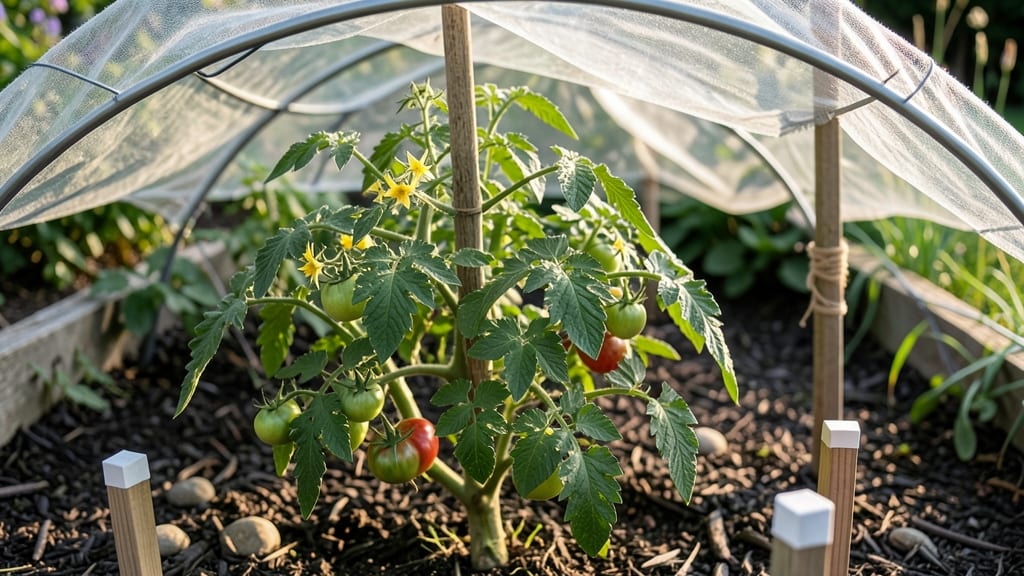
Exact timing rules for covering tomato plants before frost
Tomato plants are incredibly sensitive to cold—even a light frost at 32°F (0°C) can damage leaves, while temperatures below 28°F (-2°C) will kill the plants entirely. The key to saving your crop lies in understanding exact temperature thresholds and regional frost timing.
Unlike hardy perennials, tomatoes are annuals with delicate foliage that can't withstand even brief cold snaps, making precise timing critical.
Most gardeners wait until nighttime temperatures drop to 50°F (10°C) before covering plants, but this varies by USDA hardiness zone. In Zone 6a (like much of the Midwest), first frosts typically arrive by mid-October, while Zone 9b (Southern California) may see frosts as late as December.
Checking your local frost date averages ensures you're prepared weeks in advance.
For container-grown tomatoes, the stakes are even higher—potted plants cool down 10-15°F faster than in-ground varieties. If your forecast shows overnight lows near 45°F (7°C), move containers to a sheltered area or cover them with bubble wrap or frost blankets.
I’ve lost entire harvests by assuming potted plants had the same resilience as in-ground ones—don’t make that mistake!
Monitoring hourly temperature forecasts (not just daily highs) is non-negotiable. A high of 75°F (24°C) followed by a low of 35°F (2°C) means your tomatoes are at risk. Use a soil thermometer to track ground temperatures, as air temps can be misleading.
I keep mine buried near my tomato plants to get real-time data—it’s saved my crop more times than I can count.
Regional variations play a huge role. In Zone 7b (like Atlanta), the first frost usually hits around November 15th, while in Zone 10a (Southern Florida), frosts are rare before January. Check your local Cooperative Extension Service for zone-specific frost dates.
Even within a single state, elevations can shift frost timing by 2-4 weeks, so don’t rely on neighbors’ advice if you’re at a higher altitude.
Protecting your tomatoes isn’t just about the first frost—it’s also about radiation frosts, which occur on clear, calm nights when heat escapes rapidly. These can drop temps 10°F faster than normal frosts.
If your forecast mentions "radiation frost," cover your plants earlier than usual. I learned this the hard way when my heirloom tomatoes turned to mush overnight despite "mild" temps.
Timing removal is just as critical as applying coverage. Once morning temps rise above 50°F (10°C), remove covers immediately to prevent condensation buildup, which can lead to fungal diseases like blight.
I set a reminder on my phone for 8 AM daily during frost-prone weeks to ensure I don’t forget. Leaving covers on too long can suffocate plants or trap moisture, doing more harm than good.
For gardeners in extended growing seasons (Zones 8-10), consider season-extending techniques like low tunnels or cold frames. These allow you to harvest tomatoes 2-3 weeks later than traditional methods.
I’ve successfully grown tomatoes in Zone 9a until December using a simple hoop house with row covers—just be prepared to monitor temps even more closely.
Remember, prevention is easier than recovery. If your plants show frost damage (blackened leaves, mushy fruit), they won’t recover. The goal is to protect before damage occurs. Start preparing your covers, checking forecasts, and planning your strategy 6 weeks before your average first frost date**.
That gives you plenty of time to adjust if an early cold snap sneaks in.
Best frost protection methods for tomato plants (ranked by effectiveness)
When frost threatens your tomato plants, choosing the right protection method can mean the difference between a bountiful harvest and total loss. I’ve tested these methods across USDA Zones 5-9 and ranked them by effectiveness, cost, and ease of use.
The best choice depends on your local climate, budget, and how severe the frost is expected to be.
For light frosts (28-32°F/-2 to 0°C), simple solutions like row covers or mulch work beautifully. But when temperatures drop below 28°F (-2°C), you’ll need heavier-duty protection like cloches or blankets. Let’s break down the options so you can pick the perfect fit for your garden.
When to Cover Tomato Plants
My top recommendation for most gardeners is floating row covers. These lightweight fabrics allow sunlight and water to pass through while trapping enough warmth to protect against light to moderate frosts (28-32°F/-2 to 0°C).
They’re also reusable and cost-effective, making them perfect for container gardens or raised beds. For example, I’ve used them in Zone 6 to extend the season by 2-3 weeks without any issues.
If you’re dealing with a hard frost (below 28°F/-2°C), cloches or hoop houses are your best bet. These create a mini greenhouse effect, trapping heat and humidity. I keep a few plastic cloches on hand for my heirloom tomatoes, which are more sensitive to cold.
Just remember to remove them during the day to avoid overheating. For a budget-friendly alternative, old blankets or cardboard boxes can work in a pinch, though they’re less durable.
For long-term protection, especially in cooler climates (Zones 4-5), I swear by straw mulch around the base of plants. It insulates the roots and can raise soil temperatures by 5-10°F (3-5°C).
Pair this with a black plastic mulch on top to absorb heat during the day. This combo has saved my early-season plants more times than I can count!
No matter which method you choose, always monitor the weather forecast and act quickly. A 30-minute head start can make all the difference. And if you’re in a transition zone (like Zone 6a)**, keep a frost cloth ready—it’s your best friend when temps flirt with freezing.
With the right prep, you’ll be enjoying homegrown tomatoes even when Jack Frost pays a visit. 🍅