
Plants
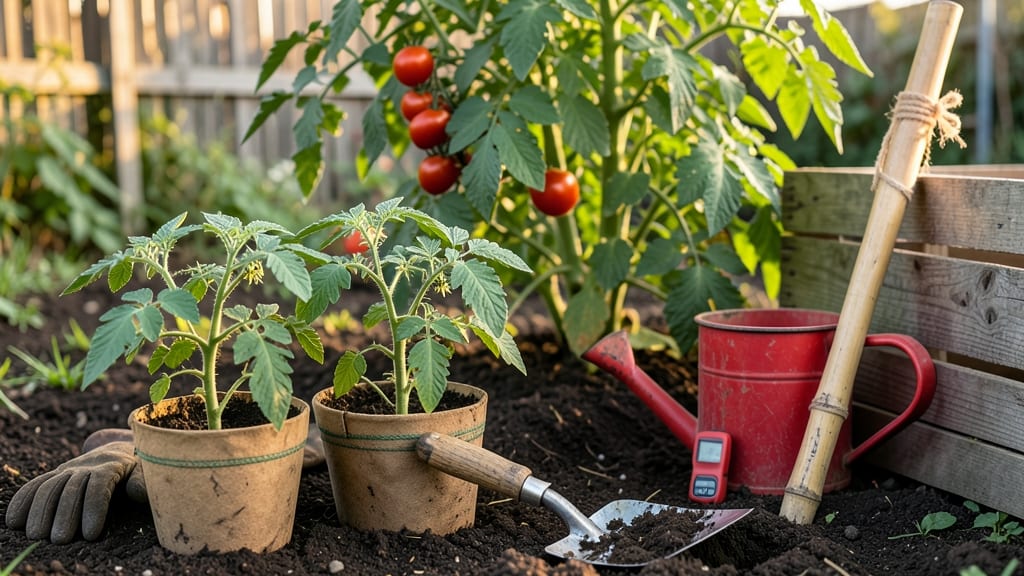
Planting tomato seeds in California requires knowing exactly when to start them indoors or outdoors—because a late frost in the Central Valley or a sudden heatwave in the desert can turn your 🍅 dreams into a flop.
California’s microclimates are wild: coastal Santa Barbara might see 70°F soil by February, while Sacramento’s frost risk lingers until late March. Miss the window, and you’re either wrestling with leggy seedlings or watching them bolt before they fruit.
This guide breaks down the perfect timing for every county, so you can avoid the most common mistakes and harvest juicy tomatoes from June to October.
We’ll cover indoor starts vs. direct sowing, soil temperature tricks to jumpstart growth, and heat-tolerant varieties that thrive in USDA zones 9a-10b. Whether you’re in the foggy north or the sunbaked Central Valley, you’ll know exactly when to plant for zero-frost success.
Ready to grow tomatoes that actually produce? Let’s dive into your county’s ideal planting schedule—plus pro tips to keep seedlings strong until harvest time.
California tomato planting calendar by USDA zone & county (with frost-free deadlines)
California’s 11 USDA zones create wildly different tomato-growing conditions—from frost-free coastal Santa Barbara to Sacramento’s occasional winter chills. Unlike most states, frost isn’t your main enemy (except in high valleys), but heat waves and soil temperature dictate your planting window.
Below, I’ve mapped out indoor seed-starting vs. outdoor transplant deadlines by county, plus heat-tolerant varieties that thrive in your microclimate.
Key rule: Start seeds indoors 6-8 weeks before your last frost date (or direct-sow after soil hits 60°F for coastal areas, 70°F+ for inland valleys). Most California zones never freeze, but Sacramento and Fresno can dip into the 30s°F—so plan accordingly.
For Los Angeles and San Diego, you can often plant year-round with succession sowing, but summer heat requires shade cloth.
🌱
For Los Angeles County (USDA 10a/9b), aim to transplant seedlings by March 15—any later, and summer heat will stress young plants. In San Diego’s coastal zones, you can direct-sow seeds in January for spring harvests, but use shade cloth if temps exceed 85°F.
Meanwhile, Fresno’s inland valleys (USDA 10a) need earlier starts to avoid bolt risk—seedlings must be hardened off by March 1.
Pro tip: Soil temperature matters more than air temp. Use a soil thermometer—tomatoes won’t germinate below 60°F. In Sacramento, wait until April 15 for outdoor planting to avoid late-spring frosts.
For container gardening in urban heat islands (like downtown LA), choose dwarf varieties like ‘Tiny Tim’ and water deeply twice daily in peak summer.
How to adjust planting timing for your microclimate: sun, soil, and heat tolerance hacks
California’s microclimates can feel like different planets—coastal fog chills Santa Barbara while Los Angeles bakes under 100°F heat. For tomatoes, this means timing adjustments can mean the difference between bountiful harvests and wilted seedlings.
The key? Understanding how your local conditions affect soil warmth, sun exposure, and heat tolerance. Let’s break it down by scenario so you can tweak your planting schedule like a pro.
Urban heat islands (like downtown San Diego) can push soil temps to 90°F+ by May, while high-desert areas (like Barstow) stay chilly until June. Coastal fog in Monterey can delay planting until April, while inland valleys (like Fresno) may need early starts in March.
Container gardens heat up faster than in-ground beds, so they often require earlier shade or soil warming tricks. Adjusting for these factors ensures your tomatoes thrive—not just survive.
- 1 Soil Warming Hacks: Use black plastic mulch or clear plastic tunnels to raise soil temps by 10-15°F in 3-5 days. Ideal for inland valleys where cold snaps linger.
- 2 Shade Cloth for Early Starts: Use 30% shade cloth over seedlings in coastal fog zones to prevent bolting while still allowing light. Remove after 2-3 weeks once temps stabilize.
- 3 Heat-Tolerant Varieties: Plant ‘Heatmaster’ or ‘Solar Fire’ tomatoes in Southern California—they thrive in 90°F+ heat. Avoid ‘Early Girl’; it struggles past 85°F.
- 4 Container Adjustments: Move pots to shadier spots by 11 AM in urban heat islands to prevent root stress. Use self-watering pots to maintain moisture.
- 5 High-Desert Timing: Wait until after May 15 in Death Valley areas—soil must reach 70°F+ for germination. Use row covers at night for extra warmth.
If you’re gardening in Los Angeles or San Diego, start seeds indoors in late February for transplanting by mid-April. The goal? Beat the June heatwave while avoiding coastal fog delays.
For Sacramento or Fresno, push starts to early March—soil warms faster inland, but late frosts can still sneak in. Test soil temps with a thermometer; tomatoes need 60°F+ to germinate and 70°F+ to thrive.
For container gardens, time your planting 2-3 weeks earlier than in-ground beds. Pots heat up faster and dry out quicker, so heat-resistant varieties like ‘Celebrity’ or ‘Better Boy’ are your best bets.
Mulch with straw or wood chips to keep roots cool—this is non-negotiable in urban heat islands. Pro tip: Elevate containers on bricks or cinder blocks to improve airflow and reduce heat absorption.
Don’t overlook microclimate layering. A south-facing wall can create a 5°F warmer zone perfect for early tomato starts, while a shady patio might only support cherry tomatoes. Use these microclimates to your advantage—plant heat-lovers near hot spots and cool-season varieties in shadier areas.
And always keep an eye on local weather forecasts; a sudden Santa Ana wind or June Gloom can throw off your timing.
Remember: tomatoes are flexible, but they reward precision. Adjust your schedule based on soil temps, sun exposure, and heat tolerance, and you’ll turn California’s quirks into your advantage. Happy growing—your garden (and your taste buds) will thank you! 🌱☀️