
Pests and Diseases
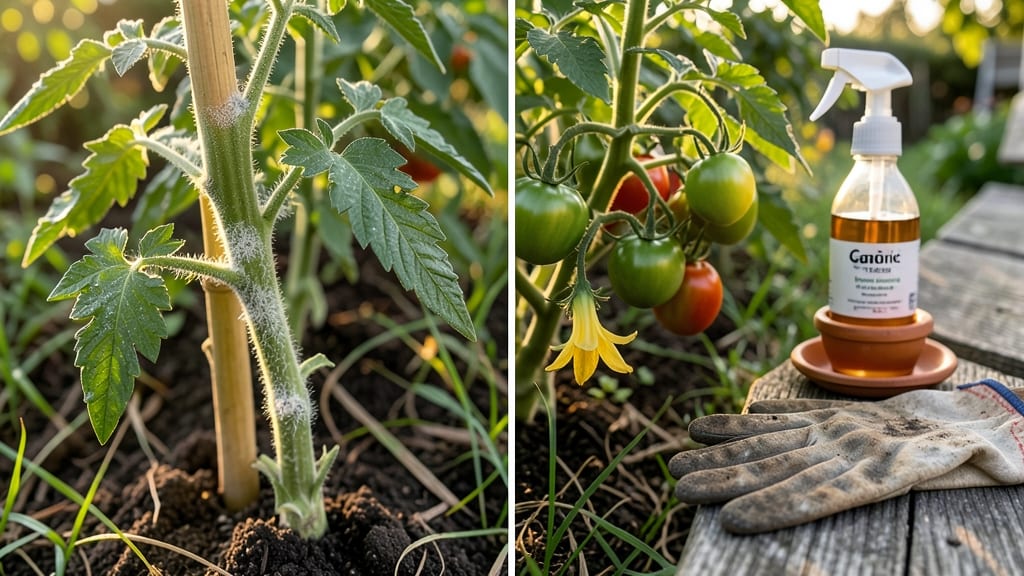
That white fuzz on your tomato stems isn’t just unsightly—it’s a fungal blight that can deflate your harvest faster than a summer storm. 🌱 I’ve seen it turn lush vines into sad, powdery skeletons, but the good news?
You can stop it in its tracks with three simple steps that don’t require fancy tools or toxic sprays.
The culprit is usually powdery mildew, thriving when nights stay damp and days linger too long in the shade. Spider mites can also leave a similar webbing, but fungal infections are the real harvest-killers.
The moment you spot that chalky residue, act fast—delaying just a week lets the disease spread like wildfire through your plants.
Within 48 hours of treatment, you’ll see the fuzz receding and new growth pushing through stronger than before. The key is cutting off the infection at the source while boosting your plants’ natural defenses.
No more wilting leaves or stunted fruit—just healthy, productive vines ready to feed your family all season.
This method works for container gardens, raised beds, or in-ground plots, and the supplies cost less than a coffee run. Let’s get those tomatoes back on track before the blight steals another harvest.
Why it happens
H2: Understanding the Root Causes
If you’ve spotted that unsettling white fuzz on tomato stems, you’re likely dealing with a fungal infection—most commonly powdery mildew, but sometimes downy mildew or even gray mold. These issues don’t just appear out of nowhere; they’re the result of specific environmental and growing conditions.
Let’s break down why your tomato plants are developing this unwelcome guest and what’s inviting it in.
🌡️ Poor Air Circulation and Humidity
Fungal spores thrive in stagnant, humid environments. When tomato plants are crowded or overgrown, air doesn’t flow freely between leaves and stems. This creates a cozy, damp microclimate where spores can land, germinate, and spread like wildfire.
Here’s the science: Fungi like powdery mildew (Oidium spp.) release spores that need high humidity (70%+) and warm temperatures (60–80°F) to germinate. If your garden is shaded, plants are too close together, or you’ve recently watered without allowing foliage to dry, you’ve essentially rolled out the welcome mat.
Actionable fix: Prune plants to improve airflow, space them 18–24 inches apart, and avoid overhead watering. If humidity is an issue, use a fan to circulate air or plant in a sunnier spot.
💧 Overwatering or Wet Foliage
Water is the lifeblood of fungi. While tomatoes need consistent moisture, wet leaves for prolonged periods create the perfect breeding ground for spores. Overwatering, poor drainage, or watering late in the day (when leaves don’t dry overnight) turns your stems into fungal buffets.
Downy mildew (Phytophthora infestans) and gray mold (Botrytis cinerea) love this setup. Downy mildew, for example, requires free water on leaf surfaces for 4–6 hours to infect plants. If your soil stays soggy or you’re using a sprinkler system, you’re basically fertilizing the problem.
Actionable fix: Water at the base of the plant in the morning, use drip irrigation, and ensure containers or garden beds have proper drainage. If you’ve already overwatered, pull affected leaves and let the plant dry out.
🌱 Stress from Environmental Factors
Tomatoes under stress—whether from nutrient deficiencies, extreme heat, or sudden temperature swings—produce weak, susceptible tissue. Stressed plants can’t mount a strong defense against fungal invaders, making them prime targets for white fuzz.
For instance, powdery mildew often strikes when nights are cool (below 60°F) and days are hot (above 85°F), creating stress through transpirational pull. Similarly, low nitrogen or phosphorus can weaken cell walls, making them easier for fungal hyphae (thread-like structures) to penetrate.
Actionable fix: Monitor soil moisture and nutrients (test soil pH and amend if needed). Use mulch to regulate soil temperature, and avoid sudden changes in growing conditions. A balanced fertilizer (like 10-10-10) can help bolster plant resilience.
🍄 Spore Contamination from Nearby Sources
Fungal spores are everywhere—in soil, air, and even on tools or neighboring plants. If another infected plant (or even a weed) is nearby, spores can hitch a ride on wind, water, or even your gardening gloves to colonize your tomatoes.
For example, Botrytis spores can survive in soil or plant debris for years. If you’ve planted tomatoes in the same spot without rotating crops or sterilizing tools, you’re playing Russian roulette with fungal reinfection.
Actionable fix: Remove all infected plant debris immediately (don’t compost it!). Sterilize pruners with rubbing alcohol between cuts, and practice crop rotation. If possible, avoid planting tomatoes in the same spot for 2–3 years.
🌿 Weakened Plants from Pest Damage
Pests like aphids, spider mites, or whiteflies don’t just sap nutrients—they create wounds and excrete honeydew, a sticky substance that fosters fungal growth. This honeydew acts like a magnet for sooty mold and other fungi, turning your tomato stems into a high-risk zone.
For instance, aphids inject toxins that weaken plant tissue, making it easier for powdery mildew to take hold. The combination of physical damage + honeydew = a fungal free-for-all.
Actionable fix: Treat pest infestations early with neem oil, insecticidal soap, or beneficial insects like ladybugs. Keep plants healthy to deter pests, and clean up honeydew with a damp cloth to break the fungal cycle.
Quick Fixes for Fuzzy Tomato Stems
If you’ve spotted that white fuzz creeping up your tomato stems, don’t panic—there are easy, effective ways to tackle it before it spreads. The key is acting fast, identifying the root cause, and applying the right treatment.
Below, we’ve broken down practical solutions for the most common culprits behind that unsightly fuzz, plus prevention tips to keep your plants healthy.
---
Fungal spores love damp, humid conditions, and once they take hold, they can weaken your tomato plants. Here’s how to banish the fuzz and protect your harvest:
#### 🔥 Step 1: Prune & Remove Infected Growth - 👨🍳 Snip off any leaves, stems, or fruit showing white fuzz with sterilized pruners (wipe with rubbing alcohol between cuts). - 🗑️ Dispose of infected plant material in the trash—not the compost pile—to prevent reinfection.
#### 🍳 Step 2: Apply Fungicide (Natural or Store-Bought) - 💡 DIY Spray: Mix 1 tsp baking soda + 1 tsp dish soap + 1 quart water in a spray bottle.
Apply to both sides of leaves in the early morning or evening (avoid direct sun). - 🌡️ Commercial Option: Use a copper-based fungicide or neem oil spray (follow label instructions). These disrupt fungal spores without harming plants. - ⏰ Reapply every 7–10 days until the fuzz disappears.
#### 🎯 Prevention Tips for Fungal Fuzz - ✨ Improve airflow by spacing plants 18–24 inches apart. - 🌡️ Water at the base (not overhead) to keep leaves dry. - 🌿 Mulch around plants with straw or grass clippings to reduce soil splashing. - 🌞 Plant in full sun (6+ hours daily) to speed up drying between waterings.
---
Tiny pests like spider mites or mealybugs can leave behind a cottony, white residue on stems and leaves. Here’s how to evict them for good:
#### 🔪 Step 1: Blast Off Pests with Water - 💦 Use a strong spray nozzle to blast pests off leaves and stems. Do this early in the day so the plant can dry quickly.
#### 🍳 Step 2: Trap & Kill with Soap or Oil - 🧼 Insecticidal Soap: Mix 2 tbsp castile soap + 1 quart water, spray directly on pests (avoid flowers to protect pollinators). - 🌿 Neem Oil: Combine 1 tbsp neem oil + 1 tsp mild dish soap + 1 quart water, spray thoroughly, and repeat every 5–7 days. - 🕷️ For stubborn infestations: Place yellow sticky traps near plants to catch flying pests.
#### 🎯 Prevention Tips for Pest Fuzz - 🌿 Introduce beneficial insects like ladybugs or lacewings (they eat spider mites!). - 🌡️ Avoid over-fertilizing with nitrogen—it attracts soft-bodied pests. - 🌿 Inspect new plants before bringing them indoors or into the garden.
---
If your tomato plants are crowded or overly humid, white fuzz can appear as a stress response. Fix the conditions to stop the cycle:
#### 🌬️ Step 1: Boost Air Circulation - 🍃 Thin out overcrowded plants or move them farther apart. - 🌿 Use a small fan on low setting near plants to improve airflow (great for indoor gardens).
#### 💡 Step 2: Reduce Humidity - 🌧️ Water only when the top inch of soil is dry—overwatering increases humidity. - 🌿 Space plants away from walls or fences to allow air to move freely. - 🌡️ In greenhouses: Open vents or use a dehumidifier if needed.
#### 🎯 Prevention Tips for Stress-Related Fuzz - ✨ Choose disease-resistant tomato varieties (e.g., ‘Mountain Merit’ or ‘Defiant PhR’). - 🌿 Rotate crops yearly to prevent soil-borne fungal buildup. - 🌞 Plant in late spring (after frost risk) for warmer, drier starts.
--- The sooner you act, the easier it is to reverse the fuzz. Check your tomato plants weekly for early signs—yellowing leaves, sticky residue, or tiny webs—and treat them before the white fuzz takes over.
With these simple, actionable steps, you’ll have your tomato plants fuzz-free in no time—and back to producing juicy, healthy fruit! 🍅🌿
Frequently asked questions
Is white fuzz on tomato stems always a fungal infection?
Not always! While powdery mildew is the most common cause, spider mites or mealybugs can also leave a similar cottony residue. Check the undersides of leaves for tiny webs (mites) or sticky honeydew (bugs). Fungal fuzz usually appears as a chalky dust, while pests create more localized, waxy patches.
Can I still harvest tomatoes if the stems have white fuzz?
It depends! If only the stems are affected and the fruit is healthy, you can harvest those tomatoes. However, if the fuzz has spread to leaves or fruit, remove those immediately. Fungal spores can contaminate developing tomatoes, so always wash produce thoroughly before eating.
How often should I spray my tomato plants to prevent white fuzz?
For prevention, spray every 7-10 days during humid conditions using a baking soda solution or neem oil. If you've already seen fuzz, increase to weekly applications until the problem clears. Always spray in the early morning or evening to avoid burning leaves in direct sunlight.
Will commercial fungicides harm my tomato plants?
When used correctly, most copper-based or sulfur fungicides are safe for tomatoes. Always follow label instructions carefully, especially regarding application rates and plant maturity. Organic options like neem oil or potassium bicarbonate are gentler alternatives that won't harm beneficial insects.
Can I save a tomato plant that's completely covered in white fuzz?
It's possible but requires aggressive treatment. Prune back all infected growth, apply fungicide, and improve growing conditions immediately. For severe cases, consider replacing the plant if it's not producing fruit. Prevention is always easier than recovery—focus on airflow and proper watering next season!