
Fertilization
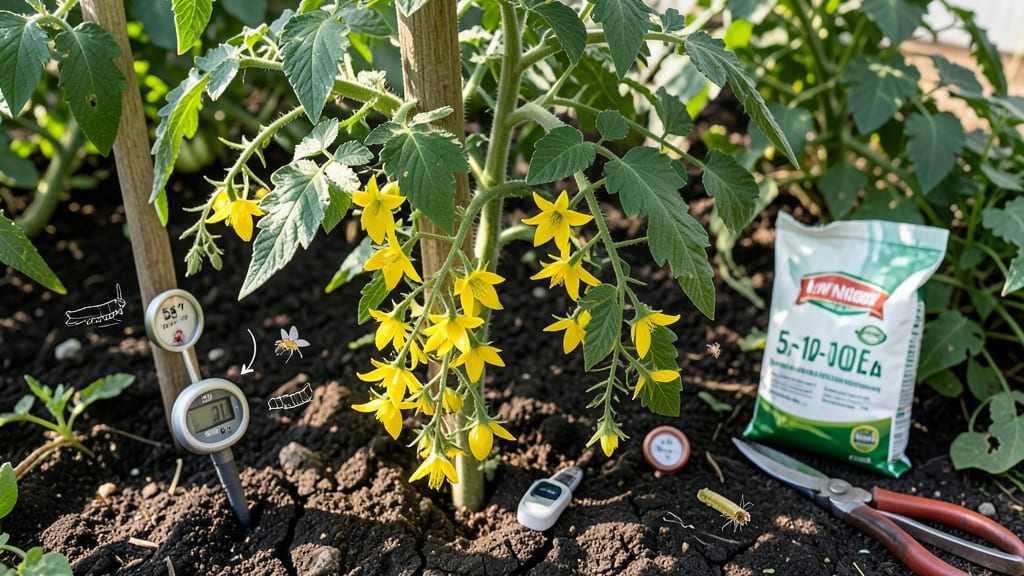
Why are my tomato plants big but no tomatoes?—that’s the question lurking behind every leafy vine begging for fruit. 🌱 I’ve seen this every summer—vigorous vines with no tomatoes—and the culprits are often hidden in plain sight: too much nitrogen, inconsistent watering, or even a lack of pollinators. The good news? Most fixes take less than 10 minutes and start with checking your fertilizer. Plants that get too much nitrogen grow leaves but skip flowers. Switch to a low-nitrogen, high-phosphorus feed (like 5-10-10) and watch buds appear within weeks. Next, inspect the flowers: Are they falling off before setting fruit? That’s a sign of poor pollination. A quick shake of the plant or a gentle brush with a paintbrush can mimic bees. And if the bottoms of tomatoes look leathery or cracked, you’ve got blossom end rot—fix it with calcium-rich amendments. This isn’t just about saving your harvest—it’s about understanding what your plants really need. Let’s turn those big leaves into a bounty of tomatoes.
Hidden Stress Signals Stalling Fruit
Your lush, leafy tomato plants might be sending you a silent SOS—one that’s easy to miss if you’re not reading the fine print. When your tomatoes look strong but refuse to produce fruit, the culprit is often a hidden imbalance in their environment or care.
Let’s break down the key stressors that keep your plants from shifting their energy from foliage to fruit, along with the science behind why they’re throwing a tantrum.
Tomatoes are warm-weather lovers, but they’re not fans of extreme heat or sudden temperature swings. Here’s how it messes with their fruit-making plans:
- Cold Stress: Temperatures below 50°F (10°C) at night or 55°F (13°C) during the day can halt pollination. Cold slows down the movement of pollen, and if bees or wind aren’t doing their job efficiently, flowers won’t set fruit. Result? You get flowers but no tomatoes.
- Heat Stress: When daytime temps soar above 90°F (32°C), tomato flowers can abort before fruiting—a process called flower drop. High heat also reduces humidity, causing pollen to dry out and fail to stick to pistils.
- Day-Night Swings: A 10°F+ (5°C+) difference between day and night temps can confuse your plants, triggering them to focus on survival (leaves) over reproduction (fruit).
💡 Pro Tip: If you’re in a hot climate, opt for heat-tolerant varieties like ‘Solar Fire’ or ‘Heatmaster.’ Use shade cloth (30-50%) during peak afternoon sun, and mulch heavily to keep roots cool.
Tomatoes are sun-hungry and need 6-8 hours of direct sunlight daily to trigger flowering and fruiting. When they don’t get enough light, their energy goes into growing more leaves to capture whatever sun they can—leaving no reserves for fruit.
- Weak Light = Small, Fewer Flowers: In low light, plants produce smaller, less vibrant flowers with poor pollen development. Even if pollination happens, the resulting fruit may be deformed or fail to develop.
- Etoliation (Leggy Growth): Stretching stems in search of light signal starvation mode. The plant prioritizes vertical growth over fruit production, leading to tall, spindly plants with no tomatoes.
- Indoor or Shady Spots: Grow lights or partial shade can work, but tomatoes need intensity. A 400-600 watt LED grow light (or full-spectrum bulb) placed 6-12 inches away for 12-16 hours/day can mimic sunlight.
🌿 Fix It: Move your plants to a sunnier spot or supplement with grow lights. Prune lower leaves to reduce shade competition and improve airflow to the canopy.
Watering is a delicate balance—tomatoes hate both drought and soggy roots. Both extremes send your plant into survival mode, not fruit mode.
| Issue | How It Affects Fruit | Solution |
|---|---|---|
| Underwatering | Dry soil triggers abscisic acid (a stress hormone) that causes flower drop and stunted growth. Roots can’t absorb nutrients, so flowers fail to develop. | Water deeply 1-2 inches per week (check soil moisture, not just surface dryness). Use drip irrigation to keep roots consistently moist. |
| Overwatering | Soggy soil drowns roots, cutting off oxygen and nutrients. This leads to blossom end rot (even if no fruit forms) and root rot, which weakens the plant. | Ensure well-draining soil (mix in compost or perlite). Water only when the top 1-2 inches are dry. Avoid wetting leaves to prevent disease. |
| Inconsistent Watering | Fluctuating moisture levels cause cellular stress, leading to flower abortion and poor fruit set. Plants “wait” for better conditions, delaying reproduction. | Stick to a consistent schedule. Mulch with straw or wood chips to retain moisture and regulate soil temp. |
Tomatoes are heavy feeders, but too much of the wrong nutrients can send them into overdrive on foliage while starving fruit production. Here’s what’s likely off:
- Excess Nitrogen (N): The #1 culprit for leafy growth with no fruit. Nitrogen fuels leaf and stem development, but too much suppresses flowering hormones (like florigen). Your plants look lush but lazy.
- Deficient Phosphorus (P): Phosphorus is critical for flowering and fruit formation. A deficiency leads to delayed blooming and small, weak flowers that drop easily.
- Low Potassium (K): Potassium helps transport nutrients and strengthen cell walls. Without it, flowers may form but fail to pollinate properly, leading to poor fruit set.
- Calcium or Magnesium Deficiency: These minerals are essential for cell division in fruit development. A lack of calcium causes blossom end rot (even before fruit forms), while magnesium deficiency leads to yellowing leaves and weak growth.
📊 Fix the Ratio: Switch to a balanced fertilizer (like 5-10-10 or 10-20-20) when flowers appear. Add bone meal or compost for phosphorus, and Epsom salt (1 tbsp/gallon) for magnesium. Stop high-nitrogen feeds (like lawn fertilizer) once flowering starts.
Even with perfect conditions, no pollination = no tomatoes. Tomatoes are self-pollinating, but they still need a little help—especially in greenhouse, indoor, or wind-protected settings.
- Lack of Bees/Wind: Outdoor plants rely on bees or wind to shake pollen loose. In greenhouses or indoors, you may need to hand-pollinate using a small brush or by gently shaking plants.
- Poor Pollen Quality: Stress (from
Fixing Your Tomato Plants for Fruit
If your tomato plants are lush and leafy but refuse to produce fruit, don’t panic—there’s a solution for every cause! Below, we’ve mapped out practical fixes tailored to the most common reasons behind your plant’s stubbornness. Follow these steps to turn those green giants into tomato-producing powerhouses.
If your plants are all leaves and no fruit, they’re likely getting too much nitrogen (the first number in NPK ratios). While nitrogen fuels growth, it stops flowering and fruiting if overused.
How to Fix It:
🔥 Switch to a balanced or low-nitrogen fertilizer (look for a 5-10-10 or 10-10-10 ratio). 🍳 Mix in phosphorus-heavy fertilizer (like bone meal or a 10-20-10 blend) to encourage blooming. 👨🍳 Apply compost or worm castings—they add micronutrients without overwhelming nitrogen. ⏰ Fertilize in the morning to avoid burning roots and give plants time to absorb nutrients before evening heat.
💡 Prevention Tips:
- Test your soil (kits are cheap and save guesswork).
- Avoid overwatering with nitrogen-rich fertilizers (like grass clippings or manure).
- Rotate crops—don’t plant tomatoes in the same spot yearly to prevent nutrient depletion.
Tomatoes need 6–8 hours of direct sunlight daily to set fruit. If they’re shaded, they’ll focus on leaves instead of blooms.
How to Fix It:
🌿 Relocate potted plants to a sunnier spot (or move containers closer together to eliminate shade). 🔪 Prune nearby trees/shrubs blocking sunlight (even partial shade reduces fruiting). 🌡️ Use reflective surfaces (like white mulch or mirrors) to bounce light onto plants. 🎯 Train vines upward (if growing vertically) to maximize sun exposure.
💡 Prevention Tips:
- Plant tomatoes in the sunniest part of your garden (south-facing is ideal in the Northern Hemisphere).
- Avoid planting near tall plants (like corn or sunflowers) that will outgrow them.
- Check for cloud cover—if your area is naturally shady, opt for determinate (bush) varieties that fruit faster.
Inconsistent watering causes stress, leading to dropped flowers or no fruit. Tomatoes need steady moisture, especially during flowering.
How to Fix It:
💧 Water deeply 1–2 times per week (1–2 inches per week, depending on climate). 🥗 Use drip irrigation or soaker hoses to keep roots moist without wetting leaves (prevents disease). 📊 Water in the morning to reduce evaporation and fungal risks. 🍎 Mulch heavily (with straw or grass clippings) to retain moisture and cool roots.
💡 Prevention Tips:
- Avoid overhead watering (especially at night—this promotes mildew).
- Check soil moisture by sticking your finger 1–2 inches down—if it’s dry, water!
- Group plants together to create a microclimate that retains humidity.
Tomatoes need warm days (70–85°F) and cool nights (55–65°F) to set fruit. Extreme heat or cold shocks can halt flowering.
How to Fix It:
✨ Provide afternoon shade (use shade cloth if temps exceed 90°F). 🌿 Plant heat-tolerant varieties (like ‘Solar Fire’ or ‘Heatmaster’) if you live in a hot climate. 🍳 Use row covers in early spring to protect from cold snaps (remove when flowers appear). 🔥 Mulch with black plastic or straw to keep roots cool in summer.
💡 Prevention Tips:
- Start seeds indoors 6–8 weeks before the last frost to avoid transplant shock.
- Avoid fertilizing during heatwaves—plants focus on growth, not fruit.
- Harvest early if a cold front is coming—ripe tomatoes can survive brief chills.
Pests (like aphids or hornworms) and diseases (early blight, fusarium wilt) drain energy from plants, preventing fruit production.
How to Fix It:
🔪 Handpick pests (especially hornworms—check leaves daily!). 💧 Spray with neem oil or insecticidal soap for aphids/spider mites. 🌿 Remove diseased leaves and dispose of them (don’t compost!). 🎯 Rotate crops and practice crop rotation to prevent soil-borne diseases.
💡 Prevention Tips:
- Encourage beneficial insects (ladybugs, lacewings) by planting marigolds or basil nearby.
- Water at the base to avoid wetting foliage (reduces fungal spores).
- Use resistant varieties (like ‘Celebrity’ for blight-prone areas).
With these fixes, your tomato plants should start blooming like crazy and producing the juicy, vine-ripened tomatoes you’ve been dreaming of. Happy gardening! 🍅🌟
Frequently asked questions
Why do my tomato plants have so many leaves but no flowers?
Too much nitrogen in your fertilizer is the most common cause. Nitrogen fuels leafy growth but suppresses flowering. Check your fertilizer ratio (the first number)—if it's high (like 10-0-0), switch to a balanced 5-10-10 or phosphorus-heavy feed when you see flowers forming. This shift encourages blooms within 2-3 weeks.
Can I still get tomatoes if my plants are already huge with no fruit?
Prune back some of the top growth to redirect energy to fruit production. Cut just above a leaf node where flowers are starting to form. Also, reduce nitrogen-rich fertilizers immediately—this signals the plant to focus on flowering. You may see fruit within 1-2 weeks of these changes.
What should I do if my tomato flowers keep falling off?
This is usually a pollination issue or stress response. Try gently shaking the plant daily to help pollen transfer, or use a small paintbrush to pollinate flowers yourself. Check for consistent watering (1-2 inches per week) and ensure temperatures stay between 55-85°F. Heat above 90°F or cold below 50°F can cause flower drop.
Is it too late to fix my tomato plants if they're already 3 feet tall?
Not at all! Even large plants can produce fruit with the right care. Immediately switch to a phosphorus-rich fertilizer (like bone meal) and ensure they get 6-8 hours of sunlight daily. Prune suckers (side shoots) to improve airflow, and check for pests—aphids and hornworms can drain energy from fruit production.
How can I tell if my tomato plants are getting enough sunlight?
If your plants are stretching toward light or have pale yellow leaves, they need more sun. Tomatoes need 6-8 hours of direct sunlight daily. Move potted plants to sunnier spots, or prune nearby plants blocking light. For indoor growers, use a full-spectrum LED grow light placed 6-12 inches away for 12-16 hours per day.