
Companion Plants
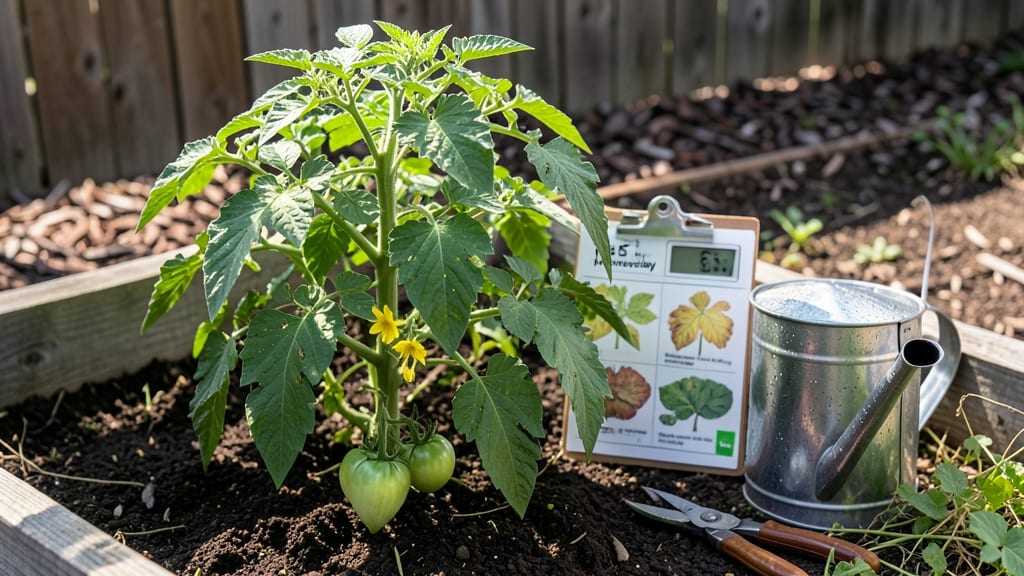
Why are my tomato plants not turning red? The answer is often hiding in plain sight—literally—because your plants might be throwing shade (literally) by refusing to ripen. 🌱 The culprit? More often than not, it’s sunlight and heat playing hide-and-seek with your ripening tomatoes. I’ve spent years watching my own plants play this game, and the fix isn’t as mysterious as it seems. The problem usually boils down to 6-8 hours of direct sun or inconsistent heat. Tomatoes need warmth to trigger color change, and if temps dip below 55°F at night or fluctuate wildly, they’ll stay green forever. Overwatering or uneven soil nutrients (like calcium or potassium) can also stall ripening by stressing the plant. Once you adjust sunlight, heat, and watering, you’ll see red blush within 2-3 weeks. The key is consistency—think of it like training for a marathon, not a sprint. Your garden’s about to get a lot more colorful. Start by moving plants to sunnier spots (even a few extra hours makes a difference) and using row covers or black plastic mulch to trap heat. Test your soil’s pH (6.0-6.8) and calcium levels—low calcium causes blossom-end rot, which halts ripening. A simple Epsom salt spray (1 tablespoon per gallon) can boost magnesium if leaves look pale. Patience is the final secret. Tomatoes ripen slower in cool weather, but they’ll catch up once conditions stabilize. If pests or disease are the real issue, act fast—chewed leaves or spots mean the plant’s energy isn’t going to fruit. Most problems, though, are fixable with sunlight, heat, and a little troubleshooting.
The hidden reasons behind green tomatoes
Tomatoes are nature’s vibrant red (or yellow, purple, or orange!) masterpieces—but when they refuse to ripen, it’s often due to factors you might not expect. Let’s break down the real culprits behind those stubborn green tomatoes, so you can troubleshoot like a pro. 🌱🍅
Tomatoes need 6–8+ hours of direct sunlight daily to trigger the ripening process. Without enough light, chlorophyll (the green pigment) stays dominant, blocking the production of lycopene (the red pigment). Even partial shade or cloudy skies can stall ripening.
Why it happens:
- Photosynthesis slows without full sun, delaying sugar and lycopene production.
- Temperature drops in shaded areas, further inhibiting ripening enzymes.
- Weak stems from poor light exposure can’t support heavy fruit loads, leading to smaller, underripe tomatoes.
Actionable fix: ✅ Move plants to a sunnier spot (south-facing is ideal in the Northern Hemisphere). ✅ Use reflective mulch (white or silver) to bounce light onto leaves. ✅ Prune nearby tall plants (like corn or sunflowers) blocking sunlight.
Tomatoes won’t ripen below 50°F (10°C)—they need warm days (70–85°F / 21–29°C) and warm nights (above 60°F / 16°C) to trigger ethylene gas, the natural ripening hormone. Early frosts, late springs, or high-altitude gardens often cause this issue.
Why it happens:
- Ethylene production halts in cold temps, keeping tomatoes green.
- Chilling injury (below 50°F) disrupts cell membranes, slowing ripening enzymes.
- Short growing seasons (common in Zone 3–5) may not provide enough warm days.
Actionable fix: 🌡️ Extend the season with row covers or cold frames for early/late plants. 🍅 Harvest green tomatoes and ripen indoors (see next section). 🌿 Choose cold-tolerant varieties like ‘Stupice’ or ‘Mountain Merit.’
Tomatoes rely on pollinators (bees, wind, or vibration) to fertilize flowers, which kickstarts fruit development. Without proper pollination, tomatoes stay small, green, and underdeveloped.
Why it happens:
- Lack of bees (common with early spring or pesticide use).
- Excessive rain or wind washes away pollen.
- Hand-pollination mistakes (if you’re doing it yourself).
Actionable fix: 🐝 Attract pollinators with companion plants like basil, marigolds, or borage. 🤲 Hand-pollinate by gently shaking plants or using a small brush to transfer pollen. 🌬️ Avoid overwatering—wet flowers repel pollinators.
When tomato plants are too close together, they compete for nutrients, sunlight, and water—leading to small, green, underripe fruit. Poor air circulation also encourages disease, further stressing the plant.
Why it happens:
- Limited photosynthesis due to shade from dense foliage.
- Nutrient competition weakens the plant’s ability to produce lycopene.
- Fungal diseases (like blight) thrive in humid, crowded conditions.
Actionable fix: 📏 Space plants 18–24 inches apart (or 3–4 feet for indeterminate varieties). 🌿 Prune suckers and lower leaves to improve airflow and sunlight penetration. 💧 Water at the base (not overhead) to reduce humidity and disease risk.
Tomatoes need balanced nutrients—too much nitrogen (for leafy growth) or deficiencies in phosphorus or potassium can prevent proper ripening.
Why it happens:
- Excess nitrogen = lush green leaves but no fruit maturation.
- Low calcium = blossom-end rot (which stresses the plant).
- Potassium deficiency = weak cell walls, delaying lycopene production.
Actionable fix: 📊 Test your soil and amend with compost or a balanced fertilizer (10-10-10 or 5-10-10). 🥔 Side-dress with banana peels (potassium) or crushed eggshells (calcium). 🌱 Avoid over-fertilizing—too much can burn roots and stress the plant.
Tomatoes produce ethylene gas as they ripen, but if left on the vine too long in cool weather, they may never turn red—instead, they stay green or turn mealy. Harvesting at the right stage helps!
Why it happens:
- Cold nights slow ethylene production, trapping tomatoes in a "green phase."
- Overripe fruit on the vine can signal the plant to stop producing new flowers.
Actionable fix: 🍅 Pick tomatoes when they’re breakers (just starting to turn pink/yellow) and ripen indoors. 🔥 Use a paper bag trick: Place green tomatoes in a bag with a ripe banana (ethylene source) for 3–5 days. ⏰ Harvest before frost—even green tomatoes can be cooked or stored for later use.
Pro Tip:** 💡 If your tomatoes are staying green despite warm weather, check for blossom-end rot (black bottoms) or sunscald (white/yellow patches)—both can signal deeper issues like watering or soil problems.
Fixing tomato ripening issues
Now that you know why your tomatoes aren’t turning red, let’s tackle the solutions! 🍅🌞 The good news is that most of these fixes are simple adjustments you can make right away.
Whether it’s tweaking sunlight exposure, managing heat stress, or optimizing nutrients, here’s your step-by-step guide to coaxing those vibrant red tomatoes from your plants.
If your tomatoes aren’t getting enough sunlight, they’ll stay green or turn yellow instead of ripening. Here’s how to fix it:
🌞 Move or Relocate Your Plants
- 🔹 Check sunlight hours: Tomatoes need 6–8+ hours of direct sunlight daily.
If your plants are in shade (especially from trees, buildings, or fences), they won’t ripen properly. - 🔹 Reposition containers: If growing in pots, move them to a sunnier spot.
South-facing or west-facing areas are ideal in the Northern Hemisphere. - 🔹 Rotate plants weekly: If sunlight is uneven (e.g., one side gets more light), rotate pots every 3–5 days so all sides get equal exposure.
🌱 Extend the Growing Season
- 🔹 Use reflective surfaces: Place white reflective mulch (like aluminum foil or reflective fabric) around your plants to bounce extra light onto the leaves.
- 🔹 Prune overhanging branches: Trim back nearby trees or shrubs blocking sunlight.
- 🔹 Consider grow lights (for indoor/low-light setups): If you’re growing tomatoes indoors or in a greenhouse with limited light, LED grow lights (12–16 hrs/day) can supplement natural light.
💡 Prevention Tip:
Plant tomatoes in the sunniest spot in your garden from the start. Avoid planting near tall structures or dense foliage that will cast shade later in the season.
Tomatoes need warmth (70–85°F / 21–29°C) during the day and above 55°F (13°C) at night to ripen properly. If temps drop, ripening slows or stops.
🔥 Protect Plants from Cool Nights
- 🔹 Use row covers or cloches: Lightweight frost blankets or plastic tunnels can trap heat around plants on chilly nights.
- 🔹 Mulch heavily: Apply 3–4 inches of straw or black plastic mulch to keep soil warm and insulate roots.
- 🔹 Plant heat-loving varieties: If you’re in a cooler climate, choose determinate varieties (like ‘Roma’ or ‘Celebrity’) that ripen faster in warmth.
🌡️ Speed Up Ripening with Tricks
- 🔹 Harvest green tomatoes & ripen indoors: Pick firm, green tomatoes and place them in a paper bag with a banana or apple (ethylene gas speeds ripening).
Store in a warm, dark place (70°F / 21°C) for 1–2 weeks. - 🔹 Use black plastic bags (for greenhouse/growers): Place a black plastic bag over clusters of green tomatoes to trap heat and ethylene, encouraging faster reddening.
💡 Prevention Tip:
- 🌱 Time your planting: Start seeds indoors 6–8 weeks before the last frost and transplant after soil temps hit 60°F (15°C).
- 🌡️ Choose late-season varieties: If you’re in a short growing season, pick fast-maturing tomatoes (like ‘Early Girl’ or ‘Stupice’).
Tomatoes need balanced nutrients—especially potassium, phosphorus, and calcium—to ripen properly. Yellowing leaves or weak stems can signal a problem.
🥬 Fix with Organic or Synthetic Fertilizers
- 🔹 Test your soil: Use a home soil test kit to check pH (ideal: 6.0–6.8) and nutrient levels.
- 🔹 Add compost or worm castings: Mix 2–3 inches of compost into the soil before planting for slow-release nutrients.
- 🔹 Use a tomato-specific fertilizer: Switch to a high-potassium fertilizer (5-10-10 or 0-10-10 ratio) when flowers appear to boost fruit ripening.
- 🔹 Foliar feed with seaweed or fish emulsion: Spray diluted seaweed extract on leaves every 2 weeks for a quick nutrient boost.
🍅 Prevent Blossom End Rot (Calcium Issue)
- 🔹 Add crushed eggshells or lime: Sprinkle crushed eggshells around the base of plants or mix 1 tbsp lime per gallon of water as a foliar spray.
- 🔹 Keep soil moist (but not soggy): Uneven watering causes calcium uptake issues. Water deeply 1–2 times per week (1–1.5 inches per week).
💡 Prevention Tip:
- 🌱 Side-dress plants mid-season: In late summer, add a handful of banana peel (potassium) or bone meal (phosphorus) to the soil around plants.
Too much water (or waterlogged soil) can dilute nutrients and prevent ripening. Tomatoes need consistent moisture but well-draining soil.
💧 Adjust Your Watering Routine
- 🔹 Water deeply but less often: Instead of daily light watering, water at the base 2–3 times per week (early morning is best).
- 🔹 Improve soil drainage: Amend heavy clay soil with perlite, sand, or coconut coir to prevent root rot.
- 🔹 Use drip irrigation: Avoid wetting leaves (which spreads disease) and ensure water goes directly to the roots.
🌱 Fix Compacted or Waterlogged Soil
- 🔹 Raise beds or use containers: If your garden soil stays soggy, grow tomatoes in raised beds or pots with well-draining potting mix.
- 🔹 Add gypsum (for clay soil): Mix 1–2 cups of gypsum per plant into the soil to improve structure.
💡 Prevention Tip:
- 🌧️ Check for waterlogging: If rain is frequent, mound soil around the base of plants to create a slight ridge, keeping roots drier.
Pests like hornworms, aphids, or fungal diseases can stress plants, slowing ripening.
🐜 Control Common Tomato Pests
- 🔹 Handpick hornworms: Look for green caterpillars with white stripes and drop them in soapy water.
- 🔹 Spray neem oil or insecticidal soap: Treat aphids or whiteflies with neem oil (1 tbsp per gallon of water) every 5–7 days.
- 🔹 Use row covers early: Protect young plants from flying insects with lightweight fabric.
🍄 Prevent Fungal Issues (Blight, Mold)
- 🔹 Prune for airflow: Remove lower leaves touching the soil to prevent blight.
- 🔹 Space plants properly: Give tomatoes 18–24 inches apart for good circulation.
- 🔹 Apply copper fungicide: If you see black spots or mold, spray with copper fungicide every 10–14 days.
💡 Prevention Tip:
- 🌱 Rotate crops: Avoid planting tomatoes in the same spot yearly to prevent soil-borne diseases.
If your tomatoes are almost red but stalled, try these quick fixes:
| Problem | Quick Fix | How to Do It |
|---|---|---|
| Green shoulders | Ethylene trick | Place tomatoes in a paper bag with an apple for 3–5 days. |
| Slow ripening in cool weather | Black plastic bags | Cover clusters with a black plastic bag (secured loosely) for 1–2 weeks. |
| Uneven ripening | Harvest at "pink" stage
Frequently asked questions
Why do my tomato plants have green tomatoes even when it's warm outside?
Even with warm weather, tomatoes need consistent temperatures above 55°F at night to ripen properly. If nights dip below this, ethylene production (the ripening hormone) slows or stops. Also check for shade issues—partial sunlight can keep tomatoes green even in heat.
Can I still save green tomatoes if frost is coming?
Harvest firm green tomatoes before frost and ripen them indoors. Place them in a paper bag with a banana or apple (ethylene source) in a warm, dark spot (70°F) for 3-5 days. They’ll ripen just like vine-ripened ones!
How do I know if my tomatoes need more sunlight or nutrients?
Check the leaves: Pale yellow leaves = nutrient deficiency (test soil pH and add compost or potassium). Dark green but weak stems = likely sunlight issue. Move plants to 6+ hours of direct sun and watch for color change in 1-2 weeks.
Will overwatering prevent tomatoes from turning red?
Yes! Overwatering dilutes nutrients and stresses plants, slowing ripening. Water deeply 2-3 times per week (early morning) instead of daily shallow watering. Improve drainage with perlite or raised beds if your soil stays soggy.
Are there tomato varieties that ripen faster in cool climates?
Yes! Try 'Stupice' (cold-hardy Czech variety) or 'Mountain Merit'—both tolerate cooler temps and ripen faster. For short seasons, also consider 'Early Girl' (50 days) or 'Glacier' (heat-tolerant). Start seeds indoors early for best results!