
Diseases
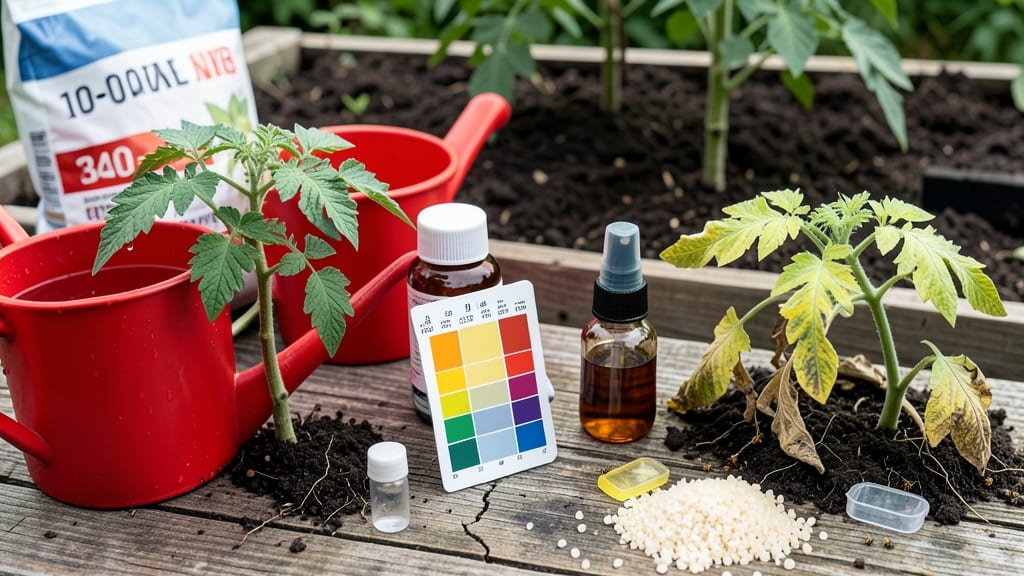
Your tomato seedlings turning yellow isn’t just a setback—it’s a clear message from the roots. 🌱 Whether it’s soggy soil, hungry roots, or a sneaky disease, the fix starts with understanding the exact cause. I’ve nursed back dozens of these tiny plants, and the right diagnosis saves them every time.
The first step is checking the soil: poke a finger in—if it’s still damp after 24 hours, you’re overwatering. Yellow leaves with dark spots? That’s root rot. Pale yellow with crispy edges? Likely nutrient deficiency. Each problem needs a different approach, but the good news is they’re all fixable.
Once you identify the issue, you’ll rescue those seedlings in days. Proper drainage, a diluted fertilizer boost, or even a simple replanting can turn things around. The key is acting fast—yellow leaves don’t fix themselves, but with the right care, your seedlings will bounce back stronger than ever.
This works for both indoor starts and outdoor trays, and the same principles apply to peppers and eggplants too. Let’s get those little plants back on track!
Root Causes Behind Yellow Seedlings
When your tomato seedlings start turning yellow, it’s often a cry for help from their roots—or their leaves. Understanding the why behind the discoloration is the first step to saving your plants.
Below, we break down the most common culprits, backed by science, so you can diagnose the issue and take action fast.
Yellowing seedlings are often a sign of waterlogged roots, which suffocate plants by cutting off oxygen. When soil stays soggy for too long, beneficial microbes die, and harmful fungi (like Pythium or Phytophthora) thrive, leading to root rot.
Overwatering also leaches essential nutrients from the soil, starving seedlings of nitrogen, phosphorus, and potassium—key players in chlorophyll production.
How to spot it:
- Yellowing starts at the bottom leaves and spreads upward.
- Soil feels damp or mushy even days after watering.
- Seedlings may wilt or fall over despite moist soil.
💡 Pro Tip: Stick your finger 1 inch into the soil—if it’s wet, hold off on watering. Use pots with drainage holes and a well-draining mix (like 60% potting soil, 30% perlite, and 10% compost).
Tomato seedlings are tropical plants at heart—they thrive in warm soil (ideally 70–85°F) and bolt or yellow when stressed by cold. If your seedlings are sitting in chilly soil (below 55°F) or exposed to drafts, their growth slows, and chlorophyll production grinds to a halt.
This is especially common in early spring or late fall starts.
How to spot it:
- Yellowing is even across the plant, not just bottom leaves.
- Growth appears stunted or leggy.
- Seedlings may recover once temperatures rise.
🔥 Quick Fix: Use a seedling heat mat (set to 70–75°F) or move pots to a sunny windowsill or grow light. Avoid placing them near AC vents or drafty doors.
Yellowing leaves often signal a nutrient deficiency, with nitrogen (N) being the most common culprit. Nitrogen is the building block of chlorophyll, and without it, leaves turn pale yellow or yellow-green—a condition called chlorosis.
Other deficiencies, like magnesium (Mg) or iron (Fe), can also cause yellowing, but nitrogen issues are the most frequent in seedlings.
| Deficiency | Yellowing Pattern | Other Signs |
|---|---|---|
| Nitrogen (N) | Older (bottom) leaves turn pale yellow first. | Stunted growth, weak stems. |
| Magnesium (Mg) | Yellow veins with green patches (interveinal chlorosis). | Affects older leaves first. |
| Iron (Fe) | Young leaves turn yellow between veins. | Common in alkaline soil (pH > 7.0). |
💪 Solution:
- For nitrogen: Use a balanced fertilizer (10-10-10 or 5-5-5) or compost tea.
- For magnesium: Apply Epsom salt (1 tbsp per gallon of water) every 2 weeks.
- For iron: Lower soil pH with sulfur or peat moss or use a chelated iron supplement.
Tiny pests like aphids, spider mites, or fungus gnats can drain seedlings of their sap, causing leaves to yellow and curl or wilt. Root-feeding pests (such as root-knot nematodes) attack underground, disrupting nutrient uptake and leading to yellowing from the bottom up.
Even slugs or cutworms can chew on stems, starving the plant.
How to spot it:
- Sticky residue (honeydew) on leaves (aphids).
- Fine webbing (spider mites).
- Holes in leaves or chewed stems.
- Seedlings suddenly collapse (cutworms).
🪲 Pest Control:
- Spray with neem oil or insecticidal soap for soft-bodied pests.
- Use diatomaceous earth around the base to deter slugs and cutworms.
- Check soil for nematodes—if present, repot seedlings in sterile mix.
Now that you know the why, the next step is fixing it. Jump to actionable fixes for overwatering, root rot, and nutrient rescue!
Revive Your Seedlings Quickly
Now that you’ve identified why your tomato seedlings are turning yellow, it’s time to take action! The good news? Most issues have simple, effective fixes—whether you’re dealing with overwatering, root rot, nutrient deficiencies, or pests.
Below are targeted solutions for each common cause, plus prevention tips to keep your seedlings thriving.
Signs: Yellowing leaves, mushy stems, foul smell, or seedlings toppling over.
🔥 Step 1: Stop Watering Immediately
- Let the soil dry out completely before watering again. Use your finger to check moisture—if the top 1-2 inches feel damp, wait another day.
- Pro Tip: 💡 If your seedlings are in containers, lift them to check weight—dry pots are lighter!
🍳 Step 2: Improve Drainage
- For pots: Add a layer of perlite or coarse sand to the bottom before repotting. Ensure pots have drainage holes.
- For garden beds: Amend the soil with compost or organic matter to improve aeration.
Avoid compacted or clay-heavy soil. - ⏰ Time-Saver: If root rot is severe, trim away mushy roots with sterilized scissors and repot in fresh, dry soil.
👨🍳 Step 3: Adjust Your Watering Routine
- Water deeply but infrequently. Seedlings only need ¼ to ½ inch of water per week (more in extreme heat).
- Water at the base (not overhead) to prevent fungal diseases.
Use a watering can with a narrow spout for precision. - 🌡️ Morning Watering: Always water in the early morning so foliage dries quickly, reducing rot risk.
🎯 Prevention Tips
- Use well-draining seedling mixes (avoid peat-heavy blends).
- Monitor humidity—if leaves stay wet for too long, increase airflow with a small fan.
- Mulch lightly with straw to retain moisture without suffocating roots.
Signs: Uniform yellowing (especially older leaves), stunted growth, or purple stems (phosphorus deficiency).
🥗 Step 1: Test Your Soil
- Grab a DIY soil test kit (or send a sample to your local extension office) to check pH and nutrient levels.
- Ideal pH for tomatoes: 6.0–6.8. Adjust with lime (to raise pH) or sulfur (to lower pH) if needed.
💪 Step 2: Fertilize Correctly
- For nitrogen (N) deficiency (yellow lower leaves):
- Use a balanced fertilizer (like 10-10-10) diluted to half strength.
- Organic options: Compost tea, fish emulsion, or worm castings.
- For phosphorus (P) deficiency (purple stems):
- Apply bone meal or rock phosphate at planting.
- For potassium (K) deficiency (yellow edges):
- Use wood ash or a potassium-rich fertilizer like kelp meal.
✨ Step 3: Feed the Roots, Not the Leaves
- Avoid foliar sprays for seedlings—they can burn tender leaves.
- Side-dress with fertilizer 2 inches away from the stem to prevent root burn.
🎯 Prevention Tips
- Start slow: Seedlings don’t need much fertilizer—wait until they have 2-3 true leaves before feeding.
- Rotate crops to prevent nutrient depletion in garden beds.
- Use slow-release fertilizers (like Osmocote) to avoid spikes in nutrients.
Signs: Yellowing with holes, chew marks, or webbing, white mold (powdery mildew), or black spots (early blight).
🔪 Step 1: Remove Infested Plants
- Isolate affected seedlings immediately to prevent spread.
- Dispose of severely damaged plants in the trash (not compost).
🍳 Step 2: Treat Fungus & Pests
- For powdery mildew or early blight:
- Spray with a baking soda solution (1 tsp baking soda + 1 quart water + a drop of dish soap).
- Prevent recurrence: Space plants for good airflow and water at the base.
- For aphids/spider mites:
- Blast off pests with a strong spray of water.
- Apply neem oil (1 tsp per quart of water) or insecticidal soap.
- For cutworms or slugs:
- Set up collars (toilet paper rolls cut in half) around seedlings.
- Use diatomaceous earth as a natural barrier.
🎯 Prevention Tips
- Rotate crops yearly to break disease cycles.
- Inspect new plants before bringing them home.
- Encourage beneficial insects like ladybugs and lacewings with marigolds or dill.
- Transplant carefully if roots are crowded—bury stems deeper (up to the first leaves) to encourage stronger growth.
- Provide 6–8 hours of sunlight daily (use grow lights if needed).
- Hardening off seedlings gradually before moving them outside prevents shock.
Remember: 🌱 Patience is key! Some seedlings bounce back in 3–5 days with proper care, while others may need a fresh start. Don’t give up—your green thumb is closer than you think!
Frequently asked questions
Why are my tomato seedlings yellowing only at the bottom?
This is often a sign of overwatering or root rot. When soil stays too wet, roots suffocate and can't absorb nutrients, causing bottom leaves to yellow first. Check if the soil feels mushy—if so, let it dry out completely before watering again. Use pots with drainage holes and a mix of 60% potting soil, 30% perlite, and 10% compost to improve aeration.
Can I save seedlings with yellow leaves caused by overwatering?
Yes! Stop watering immediately and let the soil dry out. For severe cases, gently remove the seedling, trim any mushy roots with sterilized scissors, and repot in fresh, dry soil. Place them in a warm, sunny spot (like a 70–75°F area) and water only when the top 1 inch feels dry. Most seedlings recover within 3–5 days with proper care.
What does yellowing with purple stems mean?
Purple stems with yellowing leaves usually indicate a phosphorus deficiency. Phosphorus helps roots grow and flowers form, and a lack of it shows up as purple or red discoloration in stems and leaf veins. Fix it by adding bone meal or rock phosphate to the soil and using a balanced fertilizer (10-10-10) diluted to half strength.
Are yellow tomato seedlings always a bad sign?
Not always! If the yellowing is even across all leaves and the seedlings are stunted or leggy, it might just be cold stress. Tomato seedlings need warm soil (70–85°F) to thrive. Move them to a warmer spot, like near a sunny window or under a grow light, and they should bounce back once temperatures rise.
How can I prevent yellowing in future tomato seedlings?
Start with well-draining soil mixes and pots with drainage holes. Water only when the top 1 inch of soil is dry, and avoid overhead watering to prevent fungal diseases. Use a seedling heat mat to keep soil warm, and fertilize lightly only after the seedlings have 2–3 true leaves. Harden them off gradually before transplanting to outdoor conditions.