Plants
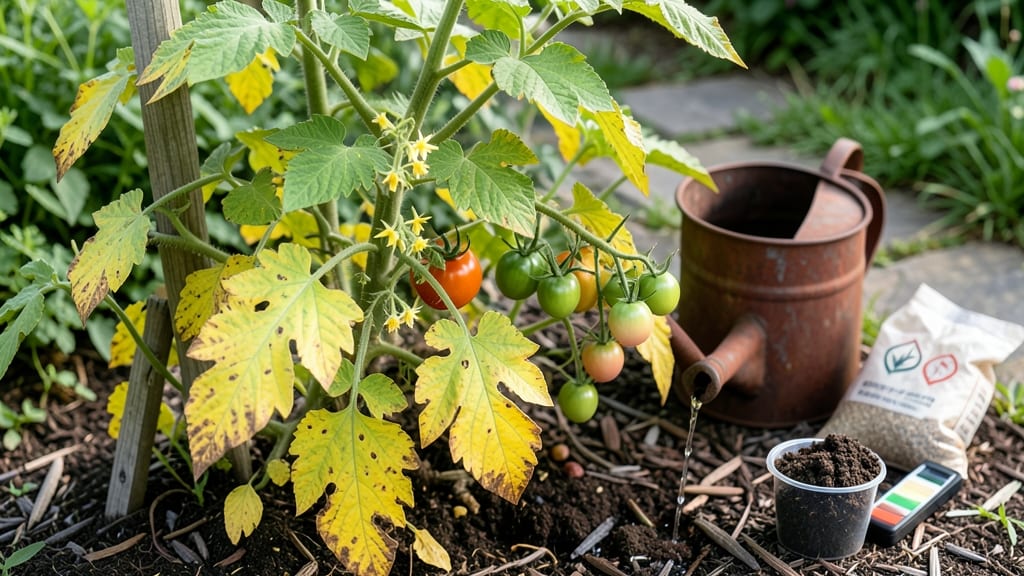
Why do my tomato plants have yellow leaves?—and the fix is simpler than you think. 🌱 Most gardeners assume it's overwatering, but the real culprit is often soggy roots starving for air, not just extra H₂O. I've saved dozens of plants by checking soil moisture before watering, and you can too with just three easy adjustments.
The first clue is the leaves: lower leaves yellow first when roots suffocate, while nutrient deficiencies start at the top. Stick your finger 2 inches into the soil—if it's damp, hold off on watering.
Overwatering isn't the only villain here: compacted soil, poor drainage, or even fungal infections (like early blight) can mimic the same symptoms. The good news? All have straightforward fixes.
By tomorrow morning, you'll know exactly what's wrong and how to reverse it—whether it's cutting back on water, fluffing up compacted soil, or applying a simple baking soda spray for fungal issues.
Your plants will bounce back faster than you'd expect, and you'll spot these early warning signs in future seasons too.
This works for container tomatoes, raised beds, or in-ground gardens—no fancy tools needed. Let's get those leaves turning green again without the guesswork.
Root Causes Behind Yellowing Tomato Leaves
Yellow leaves on your tomato plants can feel like a mystery—especially when you’re pouring love (and water) into them! 🌱💦 But don’t worry: most cases boil down to a few key culprits.
Understanding the science behind each helps you diagnose and fix the problem fast. Let’s dig into the most common reasons your tomato leaves are turning yellow, from nutrient deficiencies to environmental stress.
Tomatoes hate soggy feet. When roots sit in waterlogged soil for too long, they suffocate from a lack of oxygen—a condition called anaerobic stress. This triggers a cascade of problems:
- Root rot: Fungal pathogens like Phytophthora thrive in wet conditions, rotting roots and blocking water/nutrient uptake. Yellowing starts at the lower leaves because they’re the first to suffer from poor circulation.
- Nutrient leaching: Excess water flushes essential nutrients (like nitrogen, potassium, and magnesium) out of the root zone, leaving leaves starved and yellow.
- Toxic buildup: Waterlogged soil can’t drain salts or chemicals (from fertilizers or tap water), leading to salt burn, which causes marginal yellowing or browning.
🔍 Look for: Mushy, dark roots; a foul smell at the soil surface; or water pooling around the base after rain.
Yellow leaves are often your plant’s SOS signal for hunger. Nitrogen is the MVP for leaf health, and when it’s lacking, older leaves (the ones closest to the soil) turn yellow first—a process called chlorosis. Here’s the science:
- Nitrogen (N) deficiency: Leaves lose their vibrant green hue because chlorophyll production grinds to a halt. Start with the oldest leaves and progress upward.
- Magnesium (Mg) deficiency: This mineral is crucial for chlorophyll. A lack of it causes interveinal yellowing (yellowing between veins while veins stay green), often starting on lower leaves.
- Potassium (K) deficiency: Leaves may yellow and develop necrotic edges (brown, crispy tips) because potassium regulates water and enzyme activity.
📊 Pro tip: Test your soil with a simple DIY kit or send a sample to a lab. Tomato plants thrive in soil with a pH of 6.0–6.8—if your soil is too alkaline (high pH), magnesium and iron become unavailable, even if they’re present.
Tomatoes love sunlight, but too much of a good thing can scorch them. When temperatures soar above 90°F (32°C), leaves can develop physiological yellowing due to:
- Photoxidative damage: Excess light energy overwhelms chlorophyll, breaking it down and causing yellowing or bleaching, especially on upper leaves exposed to direct sun.
- Transpiration stress: Heat increases water loss faster than roots can replace it, leading to wilting and yellowing (often with crispy edges).
- Sunscald: In hot climates, leaves may develop white or yellow patches where sunlight hits directly, especially on the undersides.
🌿 Fix it: Provide afternoon shade (use shade cloth or plant near taller crops) during heatwaves. Mulch heavily to keep roots cool.
Pests aren’t the only troublemakers—pathogens can turn your tomato leaves yellow overnight. Here’s how:
- Early blight (Alternaria solani): Causes concentric yellow-brown spots with dark borders. Leaves may yellow and drop prematurely.
- Septoria leaf spot (Septoria lycopersici): Starts as tiny yellow spots that expand into gray centers with dark fringes, often on lower leaves.
- Bacterial spot (Xanthomonas perforans): Creates water-soaked yellow lesions with black centers, often along leaf edges.
- Verticillium or Fusarium wilt: These soil-borne fungi clog the plant’s xylem vessels, blocking water and nutrients. Leaves yellow and wilt starting from the bottom, even if the soil is moist.
🔥 Warning: Fungal diseases thrive in humid, wet conditions. Remove infected leaves immediately and avoid overhead watering.
Even if your plants are healthy, external factors can trigger yellowing:
- Windburn: Strong winds dry out leaves faster than roots can supply water, causing yellowing and browning, especially on exposed edges.
- Cold damage: Temperatures below 50°F (10°C) can stunt chlorophyll production, leading to yellowing or purpling on leaves.
- Air pollution or ozone: Urban gardens near roads or industrial areas may see yellowing with stippling (tiny yellow dots) due to oxidative stress from pollutants.
🌡️ Solution: Protect plants from harsh winds with windbreaks or row covers. For cold snaps, use frost blankets or move potted tomatoes indoors temporarily.
Now that you know the why, the next step is the how. Stay tuned for actionable fixes to revive your tomato plants—and keep those leaves lush and green! 🍅✨
Fix Yellow Leaves Fast
Now that you know the root cause of your tomato plant’s yellowing leaves, it’s time to act! Here’s a clear, step-by-step guide to diagnosing and fixing the issue—plus tips to keep your plants thriving for a bountiful harvest.
---
Fix it in 3 steps: 1. 🔥 Stop Watering Immediately - Yellow leaves from overwatering are a cry for help—literally. Let the soil dry out completely before watering again. Stick your finger 1–2 inches deep; if it’s damp, wait.
2. 🍳 Improve Drainage - If your pots lack drainage holes, transfer your plant to a container with them.
For in-ground plants, amend the soil with perlite, sand, or compost to loosen it up. - Pro tip: 💡 Raise pots off the ground (use saucers or bricks) to prevent soggy roots.
3. ⏰ Adjust Your Watering Routine - Water deeply but infrequently—aim for 1–1.5 inches per week (adjust for climate).
Early morning is best to reduce fungal risks. - Prevention tip: 🌡️ Use a moisture meter or the "knuckle test" (press your knuckle into the soil; if it springs back, it’s dry enough).
---
Cool it down and protect your plants: 1. 👨🍳 Provide Shade Cloth - If leaves are crispy or bleached, move plants to partial shade (40–50% shade cloth) for 2–3 weeks. Gradually reintroduce sun as they recover.
2. 🥘 Mulch Like a Pro - Spread 2–3 inches of mulch (straw, wood chips, or grass clippings) around the base to retain moisture and regulate soil temperature.
3. 💦 Water at the Right Time - Water early morning or late evening to reduce evaporation. Avoid wetting leaves to prevent sunburn.
Prevention tip: ✨ Start seedlings indoors or use shade tents if your climate has intense afternoon sun.
---
Fight back with these tactics: 1. 🔪 Prune the Problem Areas - Snip off yellow or spotted leaves (use sterilized shears) and dispose of them in the trash—not compost. This stops the spread.
2. 🌿 Apply Fungicide - Spray with a copper-based fungicide or baking soda mix (1 tbsp baking soda + 1 quart water + a drop of dish soap). Reapply every 7–10 days until new growth appears.
3. 🌡️ Improve Airflow - Space plants 18–24 inches apart and stake them to prevent leaves from touching the soil. Avoid overhead watering.
Prevention tip: 🎯 Rotate crops yearly and sterilize tools with rubbing alcohol to prevent reinfection.
---
Feed your plants the right way: 1. 📊 Test Your Soil - Grab a DIY soil test kit (or send a sample to a local extension office) to confirm deficiencies. Common culprits: - Yellow lower leaves = Nitrogen (use a balanced fertilizer like 10-10-10). - Yellow between veins = Magnesium (apply Epsom salt: 1 tbsp per gallon of water, spray foliage). - Yellow new leaves = Iron (use chelated iron or fish emulsion).
2. 💪 Fertilize Correctly - For nitrogen: Mix compost or worm castings into the soil. For quick fixes, use a liquid fish emulsion (follow package rates). - Warning: ⚠️ Over-fertilizing burns roots—always water before and after applying.
3. 🥗 Adjust pH if Needed - Tomatoes thrive in pH 6.0–6.8. If soil is too alkaline (common in clay soils), add sulfur or peat moss to lower pH.
Prevention tip: 🌱 Start with well-aged compost in planting holes to prevent deficiencies from the get-go.
---
Kick pests to the curb: 1. 🔍 Inspect Leaves - Look for tiny webs, speckles, or sticky residue (honeydew). Isolate the plant if pests are severe.
2. 💦 Blast Them Off - Spray leaves with a strong stream of water to dislodge pests. Repeat every 2–3 days for a week.
3. 🌿 Use Natural Repellents - Neem oil spray (1 tsp neem oil + 1 tsp mild soap + 1 quart water) or insecticidal soap (follow label). - Pro tip: 💡 Release ladybugs or lacewings (beneficial insects) to eat pests naturally.
Prevention tip: 🎯 Encourage predatory insects by planting marigolds or basil nearby.
--- Final Reminder: 🌱 Most yellow leaves recover in 1–2 weeks with the right care. Monitor your plants daily and adjust as needed—your tomato harvest is worth it!
Frequently asked questions
Why do my tomato plant's lower leaves yellow first?
Lower leaves yellow first because they're the oldest and serve as a nutrient reservoir for the plant. When roots struggle (from overwatering, poor drainage, or disease), the plant sacrifices these leaves to protect new growth. This is your plant's way of redirecting resources to fruit production!
Can I save my tomato plant if half the leaves are yellow?
Yes! Remove only the most severely affected leaves (especially if diseased) and focus on fixing the root cause. Healthy tomato plants can recover well when given proper care. Prune back to improve airflow and reduce stress on the plant. Most gardeners see improvement within 1-2 weeks of corrective action.
Is yellowing always caused by overwatering?
No—while overwatering is common, yellow leaves can also signal nutrient deficiencies (like nitrogen or magnesium), fungal diseases (early blight), or environmental stress (heat or cold damage). Always check the soil moisture and examine leaves for other symptoms like spots or wilting before assuming it's water-related.
How do I know if my tomato plant needs more water or less?
Stick your finger 1-2 inches into the soil—if it's damp, you're overwatering. If it's completely dry, water deeply until it drains from the bottom. A good rule: water when the top 1 inch of soil feels dry. Container plants dry out faster than in-ground ones.
Will yellow leaves affect my tomato harvest?
Not necessarily! While yellow leaves indicate stress, healthy tomato plants can still produce fruit. Focus on fixing the underlying issue, and your plant will redirect energy to fruit production. In fact, removing severely yellow leaves can actually help the plant focus its resources where they're needed most.