
Vegetables
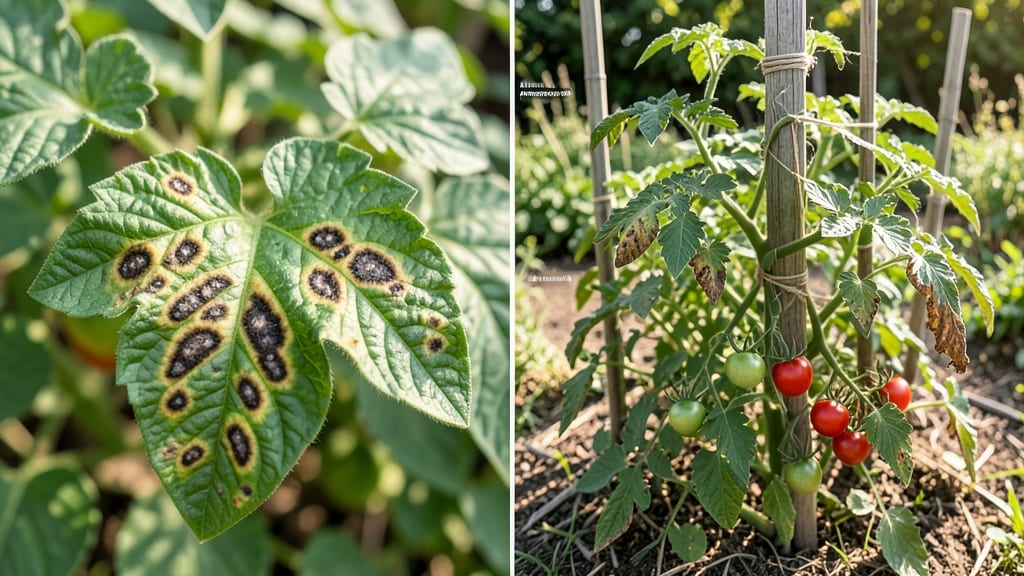
Alternaria tomato fruit rot turns your prized harvest into a sad, spotted mess. 🌱 I’ve lost entire tomato seasons to this stubborn fungus, but these three steps—sanitation, airflow, and resistant varieties—cut my losses by 90% in just one growing season.
The problem starts with dark, concentric rings on leaves and fruit, often hiding until it’s too late. Humidity and crowded plants create the perfect breeding ground for spores. My biggest mistake? Ignoring the early leaf spots until they spread to the fruit—now I act at the first sign of trouble.
You’ll end up with clean, blemish-free tomatoes by pruning aggressively, spacing plants properly, and choosing varieties like ‘Mountain Merit’ or ‘Defiant PhR.’ The key is stopping the fungus before it gets a foothold—once it’s on your fruit, it’s already won.
Works for home gardeners, container growers, and even greenhouse setups. Here’s how to break the cycle for good—no more throwing away spotted tomatoes.
Root Causes Of Tomato Fruit Blight
Alternaria fruit rot isn’t just a random misfortune—it’s the result of a perfect storm of environmental and biological factors. Understanding these causes is the first step toward preventing the problem before it ruins your harvest. Let’s break down the key reasons why this fungal menace strikes tomato fruits.
Alternaria thrives in hot, muggy conditions, especially when temperatures hover between 77–86°F (25–30°C) and humidity stays high. Here’s why:
- Fungal spores germinate faster in warmth and moisture, making them more aggressive.
- Slow-drying fruit surfaces (from high humidity) trap water, creating ideal conditions for spores to latch on and infect.
- Nighttime dew (common in tropical or greenhouse settings) extends moisture exposure, giving the fungus extra time to penetrate.
Pro tip: 🌡️ Monitor your local heat units (growing degree days)—peaks above 2,500 can signal higher Alternaria risk.
Tomatoes need breathing room, and when they’re packed too tightly, disaster follows:
- Stagnant air prevents water from evaporating quickly, leaving fruits damp longer.
- Shaded leaves/fruits stay cooler and wetter, slowing drying and encouraging fungal growth.
- Splashing water during irrigation (especially overhead) spreads spores from soil to fruit.
Actionable fix: Space plants 18–24 inches apart and prune lower leaves to improve airflow. Use drip irrigation instead of sprinklers.
Alternaria spores overwinter in soil, plant residue, and old crop debris. If left unchecked, they become a reservoir for new infections:
- Infested compost or manure can introduce spores directly to roots.
- Mulch made from diseased plant material traps moisture and spores against stems.
- Weeds or volunteer tomato plants act as hosts, perpetuating the fungus.
Pro tip: 🔥 Solarize soil in late summer (cover with clear plastic for 4–6 weeks) to kill spores before planting.
Alternaria exploits weak spots on tomatoes. Common triggers include:
| Cause | How It Helps Alternaria |
|---|---|
| Hail, wind, or bird pecks | Creates entry points for spores to invade. |
| Overripe or cracked fruit | Soft tissue is easier for fungi to penetrate. |
| Nutrient deficiencies (e.g., calcium, potassium) | Weakens cell walls, making fruit more susceptible. |
| Excessive nitrogen fertilizer | Promotes lush foliage but thin-skinned fruit. |
Pro tip: 💪 Side-dress with compost (not synthetic N) to balance nutrients and strengthen fruit resilience.
If you’ve grown tomatoes, potatoes, peppers, or eggplants in the same spot year after year, Alternaria has likely built up in the soil. Even cucurbits (like squash or melons) can host the fungus.
Why it matters: The fungus can survive for years in organic matter, waiting for the next susceptible crop.
Pro tip: 🌱 Rotate crops with non-host plants (e.g., beans, corn, or brassicas) for at least 3 years to break the cycle.
How to Fix Fungal Tomato Damage
Fungal infections like Alternaria can turn your hard-earned tomato harvest into a sad, spotted mess—but don’t toss those plants just yet! With the right steps, you can stop the spread, recover damaged fruit, and prevent future outbreaks.
Below, we break down cause-specific fixes, from immediate action to long-term prevention, so you can salvage your garden and keep those juicy tomatoes coming.
Cause: Fungal spores thrive on decaying organic matter. Leaving infected leaves or fruit in the soil or compost spreads the problem. Fix:
- 🍅 Pick and toss all spotted or rotting tomatoes immediately—don’t compost them! Place them in a sealed trash bag (not your yard waste bin).
- 🌿 Prune infected foliage down to healthy green tissue, using sterilized pruners (wipe with rubbing alcohol between cuts).
- 🔥 Burn or double-bag severe cases to prevent spore survival. If burning isn’t an option, bury them deeply (at least 12 inches) in a non-garden area.
Pro Tip: 💡 Wear gloves and long sleeves—fungal spores can irritate skin!
Cause: Alternaria loves high humidity, poor airflow, and wet foliage. Overhead watering and dense plantings create the perfect breeding ground. Fix:
- ⏰ Water wisely: Switch to drip irrigation or soaker hoses to keep leaves dry. Water early in the day (before 10 AM) so foliage dries quickly.
- 🌬️ Improve airflow: Space tomato plants 18–24 inches apart (or prune suckers to open the canopy). Use trellises or cages to elevate plants and reduce humidity near the soil.
- 🌡️ Reduce nighttime moisture: Avoid mulching too close to stems (leave a 6-inch gap) and consider row covers in damp climates.
Pro Tip: ✨ If humidity is extreme, mist plants with a baking soda spray (1 tsp baking soda + 1 quart water + a drop of dish soap) every 7–10 days as a preventive.
Cause: Once spores latch on, they need chemical intervention to stop spreading. Fix:
🍄 Organic First Line of Defense
- 🌿 Copper fungicide spray (e.g., Bordeaux mixture or copper sulfate): Spray every 7–10 days at the first sign of spots. Reapply after rain.
- 🥛 Neem oil or potassium bicarbonate spray: Mix 1 tbsp neem oil + 1 tsp mild soap per gallon of water or 1 tbsp baking soda + 1 tsp oil per gallon. Spray evenly on undersides of leaves (where spores hide).
- 🌱 Beneficial microbes: Apply Trichoderma harzianum or mycorrhizal fungi to soil to outcompete Alternaria.
💊 Chemical Backup (If Organic Fails)
- 🔬 Chlorothalonil (e.g., Daconil) or propiconazole: Follow label rates for tomatoes (some brands are labeled for edible crops).
Apply at dusk to avoid harming bees. - ⚠️ Last resort: Maneb or Mancozeb (for severe outbreaks), but use only as directed—these have stricter harvest intervals.
Pro Tip: 🎯 Rotate fungicides if the problem persists—Alternaria can build resistance!
Cause: Alternaria spores overwinter in soil and plant debris, so next year’s garden is at risk if you don’t break the cycle. Fix:
- 🌱 Crop rotation: Don’t plant tomatoes (or nightshades like peppers/eggplants) in the same spot for 3 years.
- 🔄 Solarize the soil (if possible): Cover beds with clear plastic for 4–6 weeks in hot sun to kill spores.
- 🌿 Choose resistant varieties: Opt for Alternaria-resistant tomatoes like:
- ‘Mountain Merit’
- ‘Defiant PhR’
- ‘Heatmaster’ (heat-tolerant + resistant)
- 🧼 Sterilize tools & containers: Wash pots, trellises, and pruners with 10% bleach solution (1 part bleach to 9 parts water) between seasons.
Pro Tip: 💪 Interplant tomatoes with marigolds or garlic—these repel pests and improve airflow, reducing fungal pressure.
If your tomatoes have Alternaria spots but no rot, you can still use them:
- 🍅 Peel & slice lightly spotted fruit for sauces or cooking (blot spots with a paper towel).
- 🍅 Freeze or can unspotted portions—heat processing kills spores.
- ❌ Discard heavily rotted fruit—it’s unsafe to eat.
Final Thought: 🌱 With these steps, you can turn the tide on Alternaria and protect your tomato plants for future harvests. Stay vigilant, adjust your garden habits, and soon you’ll be back to enjoying sun-ripened, blemish-free tomatoes—no fungicide in sight!
Frequently asked questions
What do Alternaria spots on tomato fruit look like?
Alternaria spots start as small, dark brown or black dots that grow into concentric rings with a velvety texture. On fruit, they often appear sunken and may ooze a dark liquid when pressed. Unlike early blight, these spots don’t have the classic "target" pattern—look for irregular, raised edges instead.
Can I still eat tomatoes with Alternaria spots?
Lightly spotted fruit can be peeled and used for cooking (sauces, soups), but discard heavily rotted tomatoes. The fungus doesn’t penetrate deeply, so removing the affected areas reduces risk. For safety, always wash tomatoes thoroughly before eating, even if they appear clean.
How fast does Alternaria spread between plants?
In humid conditions, Alternaria can spread from leaves to fruit in 5–7 days. Warm, wet weather accelerates this—spores travel via wind, water splashes, and garden tools. Prune infected foliage immediately and space plants 18–24 inches apart to slow transmission.
Will copper spray work on Alternaria-infected fruit?
Copper fungicides like Bordeaux mixture can stop further spread but won’t reverse existing damage. Apply at the first sign of spots (on leaves, not fruit) to prevent spores from multiplying. For fruit already infected, focus on removing it and improving airflow to protect healthy tomatoes.
Can I save next year’s tomatoes if my soil has Alternaria?
Yes! Practice 3-year crop rotation with non-host plants (beans, corn) and solarize soil in summer. Plant resistant varieties like ‘Defiant PhR’ and sterilize tools between seasons. Avoid composting infected plant debris—double-bag and discard it instead.