
Vegetables
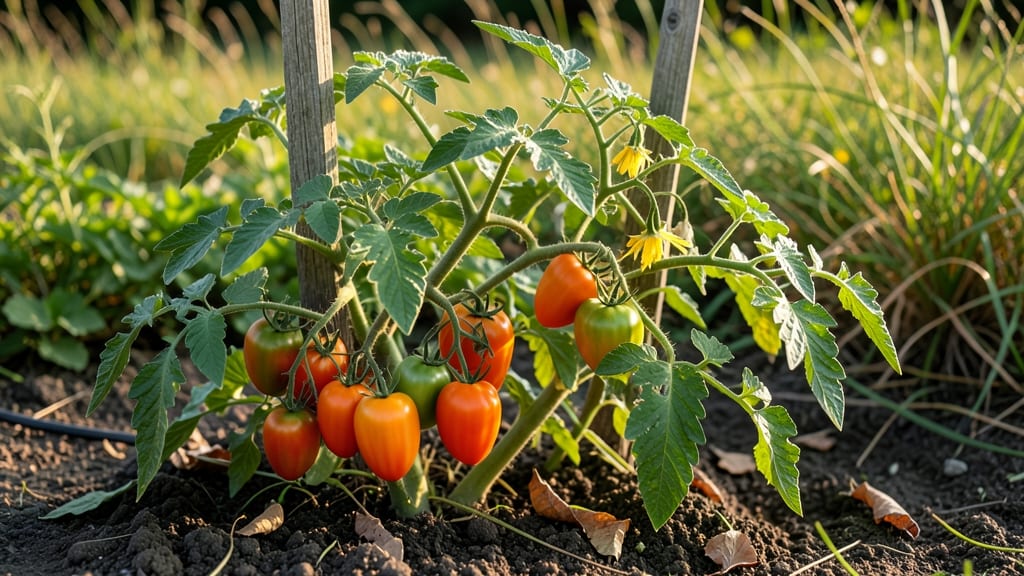
Growing the Amana Orange tomato plant means 60 days to sun-kissed, meaty fruit with a flavor so rich it’ll make store-bought taste like cardboard. 🌱 The secret? This hybrid thrives in hot summers—unlike finicky heirlooms—and delivers 3-4 pounds of fruit per plant when you nail the basics.
I’ve grown it three seasons running, and the key is treating it like a sun-worshipping diva: full light, consistent water, and a little pruning love.
The best part? You don’t need a greenhouse. Start seeds indoors 8-10 weeks before last frost, or grab sturdy transplants from a reputable nursery. Plant in well-draining soil (amend with compost if yours is heavy clay), and space them 18-24 inches apart—they’ll sprawl like they own the place.
A cage or stakes is non-negotiable; these tomatoes grow 4-5 feet tall and need support to avoid flopping drama.
By mid-July, you’ll be harvesting golden-orange fruits that balance sweetness with a tangy kick—perfect for slicing, sauces, or eating straight off the vine. The plants stay productive until frost, and with proper care, you’ll outpace even the most experienced neighbor.
Just watch for early blight (remove infected leaves immediately) and keep the soil moist but not soggy.
Works in zones 4-10, from containers to in-ground beds. Here’s how to turn your garden into a tomato powerhouse—no green thumb required.
📚 In This Guide
- What you need
- Instructions
- Tips and common mistakes
- Wrapping up and next steps
What you need
- ● Amana Orange tomato seeds or seedlings: 3–5 plants (for optimal yield and spacing). Choose organic, non-GMO seeds if possible.
- ● Containers or garden bed: Containers: 5-gallon pots or larger (1 per plant). Ensure they have drainage holes.
- ● Garden bed: A sunny spot with 6+ hours of direct sunlight daily and well-draining soil.
- ● High-quality potting mix: 10–15 lbs (for containers) or amend garden soil with compost or aged manure (5–10 lbs per sq. ft.).
- ● Tomato cages or stakes: 3–5 stakes (6+ ft tall) or cages (5–6 ft diameter) to support vines.
- ● Fertilizer: Balanced fertilizer (10-10-10): 1 tbsp per plant at planting.
- ● Organic options: Fish emulsion, compost tea, or worm castings (follow package rates).
- ● Watering can or hose with nozzle: For gentle, deep watering (avoid wetting leaves).
- ● Mulch: Straw or shredded leaves (2–3 inches thick) to retain moisture and suppress weeds.
- ● Grow lights: If starting indoors (LED or fluorescent, 12–16 hrs/day).
- ● Pruning shears: For trimming suckers and shaping plants.
- ● Row covers or shade cloth: To protect seedlings from pests or harsh sun.
- ● pH test kit: Ideal soil pH for tomatoes: 6.0–6.8.
- ● Epsom salt: 1 tbsp per plant (every 2–3 weeks) for magnesium boost.
- ● Pest control: Neem oil, insecticidal soap, or companion plants (basil/marigolds).
Step-by-step guide to growing Amana Orange tomatoes
Here's how I grow these vibrant, high-yield hybrids—ready for harvest in just 60 days.
🌱 Step 1: Start Seeds Indoors for Early Growth
Begin seeds 8-10 weeks before your last frost date. I use biodegradable peat pots filled with seed-starting mix to avoid transplant shock. Press one seed ¼ inch deep in each cell—any deeper delays germination. Moisten the soil with a spray bottle until evenly damp but not soggy.
Cover the tray with a humidity dome or plastic wrap to retain warmth. Place it on a seedling heat mat set to 75-85°F—this speeds germination from 5-10 days. Check daily but resist watering until condensation forms on the dome. Once 50% of seeds sprout, remove the cover immediately to prevent damping-off.
☀️ Step 2: Provide Optimal Light for Strong Seedlings
The instant seedlings emerge, move them under grow lights for 14-16 hours daily. A south-facing window won't cut it—you'll see leggy, weak stems if light is insufficient. Position the light 2-4 inches above the seedlings and raise it as they grow to maintain that distance.
Strong Amana Orange seedlings have thick stems, deep green leaves, and compact spacing between nodes. If stems stretch toward the light, your light is too far away. You'll also notice yellowing leaves if they're getting too much heat—adjust the light height immediately.
🪴 Step 3: Transplant After Hardening Off
Two weeks before your last frost, begin hardening off seedlings. Place them outside in a sheltered spot for 1-2 hours the first day, gradually increasing exposure over 10-14 days. This toughens stems and prevents transplant shock. Choose a cloudy day for the final move to reduce stress.
Transplant into the garden after all danger of frost has passed. Space plants 18-24 inches apart—Amana Oranges grow large and need room. Bury stems ⅓ deeper than the pot to encourage stronger root systems. Water deeply at the base to settle soil around roots.
💧 Step 4: Maintain Consistent Water and Support
Water at the base 1-2 inches deep every 2-3 days, adjusting for rainfall. Let the top inch of soil dry between waterings—consistent moisture prevents cracking in these large fruits. Use drip irrigation or soaker hoses to avoid wetting leaves, which reduces disease risk.
Install cages or stakes at planting to support the plants as they grow. Amana Oranges produce 1-pound fruits, so sturdy support is critical. Prune suckers (the shoots that grow between main stems and branches) to direct energy to fruit production rather than foliage.
✂️ Step 5: Harvest at Peak Ripeness for Best Flavor
Harvest when fruits turn deep orange and yield slightly to gentle pressure. Use pruning shears to cut stems, leaving ¼ inch of stem attached to the fruit. This prevents disease entry points. I pick every 2-3 days during peak season to encourage continuous production.
Store harvested tomatoes at 55-60°F for up to 2 weeks. Ripen unripe fruits at room temperature—never refrigerate until fully ripe, as cold temperatures destroy flavor and texture. You'll know they're perfect when the skin is glossy and the scent is sweet and tangy.
Tips & tricks for growing Amana Orange tomatoes
Between us, these vibrant hybrids reward attention to detail—and I’ve learned the hard way which steps make all the difference. Here’s how to avoid common pitfalls while maximizing that bold orange harvest.
Seed Starting Precision: The ¼-inch depth for seeds is non-negotiable—any deeper and you’ll delay germination by days. I’ve tried pressing them too firmly, and the seeds just sit there stubbornly. Use a toothpick to mark the depth on your peat pots before planting. For the 8-10 week timing, double-check your last frost date using your local extension service’s frost calculator—some zones vary by weeks!
Light Management Secret: Those 14-16 hours of grow light aren’t just about duration—the distance matters too. I’ve caught myself raising the light too high, and suddenly my seedlings stretch like they’re reaching for the moon. Keep it 2-4 inches above the tallest leaves, and adjust weekly as they grow. A simple ruler taped to your light stand solves this forever.
Transplanting Technique: Burying stems ⅓ deeper than the pot sounds counterintuitive, but it works because tomato roots form along the buried stem. I’ve seen plants with exposed stems struggle to establish—those buried ones take off like rockets. When hardening off, start with just 1-2 hours on day one, even if your seedlings look tough. Gradual exposure prevents shock better than rushing.
Harvesting Hack: The 2-3 day picking schedule keeps production going strong, but timing matters. I’ve learned to harvest first thing in the morning when fruits are cool and firm—this prevents bruising. And that ¼-inch stem attachment? It’s not just about disease prevention; it keeps the tomatoes fresher longer after picking. Use clean pruning shears each time to avoid spreading any potential pathogens.
Pro Tips for Amana Orange Tomato Plant
- Between us, these vibrant hybrids reward attention to detail—and I’ve learned the hard way which steps make all the difference.
- Seed Starting Precision: The ¼-inch depth for seeds is non-negotiable—any deeper and you’ll delay germination by days.
- Light Management Secret: Those 14-16 hours of grow light aren’t just about duration—the distance matters too.
Frequently asked questions
Got questions about growing Amana Orange tomato plants? You’re not alone!
Here are answers to the most common queries to help you cultivate a thriving harvest of these vibrant, flavor-packed tomatoes.
How long does it take for Amana Orange tomatoes to mature?
The Amana Orange is a determinate variety with a fast maturity rate of 60 days from transplanting to harvest. This makes it perfect for short-season gardens or container growing. Start seeds indoors 6–8 weeks before your last frost date for the best results!
Can Amana Orange tomatoes survive frost?
No, these tomatoes are not frost-tolerant. Even young plants can be damaged by temperatures below 50°F (10°C). Use row covers or move potted plants indoors (like a sunny windowsill) if frost is forecasted. Harvest before the first frost to enjoy their sweet flavor!
Are Amana Orange tomatoes good for sauces or slicing?
Amana Orange tomatoes are versatile! Their meaty, low-acid flesh makes them ideal for slicing, salads, and sauces. Their bright orange hue adds a stunning pop to dishes. For sauces, blend them with herbs like basil or oregano for a sweet-tangy twist.
What pests should I watch out for with Amana Orange plants?
Common pests include aphids, hornworms, and whiteflies. Handpick hornworms early (they’re camouflaged!). Spray neem oil or introduce ladybugs for aphids. Yellow sticky traps help deter whiteflies. Healthy plants with proper spacing (18–24 inches apart) resist pests better!
Can I grow Amana Orange tomatoes in containers?
Absolutely!
These compact plants thrive in 5-gallon containers or larger with well-draining soil and support stakes. Use a balanced fertilizer (like 10-10-10) every 3–4 weeks. Ensure pots get 6+ hours of sunlight daily for maximum yield.
Pro Tip:
For bigger fruits, prune suckers (the small shoots in the leaf axils) regularly. This redirects energy to fruit production. Mulch around the base to retain moisture and prevent soil-borne diseases like blight.
Wrapping up and next steps
Growing Amana Orange tomato plants is a rewarding journey that brings vibrant color and bold flavor to your garden in just 60 days! 🍅✨ With the right soil, sunlight, and care, you’ll enjoy a bountiful harvest that’s perfect for salads, sauces, or fresh snacking.
Whether you’re a seasoned gardener or a beginner, these sweet, tangy tomatoes are a fantastic addition to your plot.
Ready to dive in? Start by gathering your supplies, choosing the perfect spot, and following the simple steps outlined above. Your first harvest is just around the corner—get planting and enjoy the taste of success! 🌱💛