
Vegetables
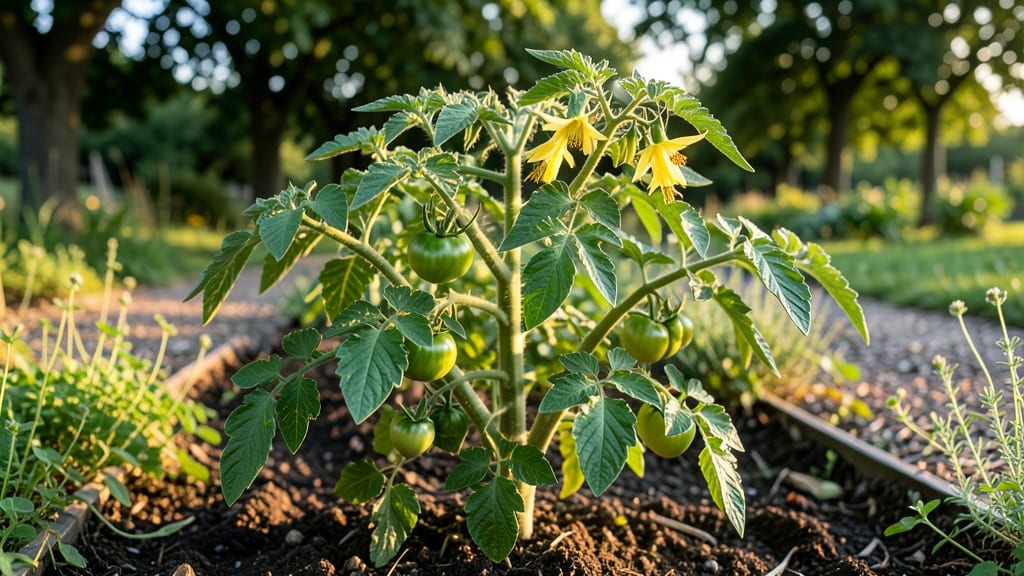
F1 hybrid tomato seeds deliver consistent, high-yield vines that outperform heirlooms in both productivity and disease resistance—though they come with a few trade-offs. 🌱 I’ve grown them for years, and the difference in harvest size and reliability is staggering, especially in humid climates where heirlooms often struggle.
The key? Understanding their unique needs from seed to harvest.
These hybrids thrive with 6-8 hours of direct sunlight daily and soil that drains well but stays moist—think rich, compost-amended loam with a pH between 6.0 and 6.8.
Plant seeds ¼ inch deep in 5-7 inch pots or directly in the garden after the last frost, spacing them 18-24 inches apart. The vines grow fast, so sturdy cages or stakes are a must from day one.
Watering is where most gardeners trip up: keep soil evenly moist but never soggy, especially during flowering and fruiting. A mulch layer helps retain moisture and keeps fruit clean. By mid-summer, you’ll be picking heavy, uniform tomatoes—often 20-30% more than heirlooms—with fewer issues from cracking or disease.
One catch: you can’t save seeds from F1 hybrids—their offspring won’t produce the same quality. But for gardeners who prioritize reliability over saving seeds, these varieties are a game-changer. Try them once, and you’ll never go back to heirlooms for high-stakes harvests.
📚 In This Guide
- What you need
- Instructions
- Tips and common mistakes
- Wrapping up and next steps
What you need
- ● F1 Hybrid Tomato Seeds: 5–10 seeds (choose disease-resistant varieties like 'Mountain Merit' or 'Sweet 100' for best results).
- ● Seed Starting Mix: 2–3 quarts of high-quality, sterile potting mix (look for peat-based or coco coir blends).
- ● Seed Trays or Biodegradable Pots: 1–2 trays (2–3" deep) or 50–100 small pots (2–3" diameter).
- ● Grow Lights or Sunny Window: A full-spectrum LED grow light (12–16 hours/day) or a south-facing windowsill with bright, indirect light.
- ● Spray Bottle: 1 for gentle watering (avoid over-saturating seeds).
- ● Plastic Wrap or Humidity Dome: To retain moisture during germination.
- ● Fertilizer: A balanced, water-soluble fertilizer (5-5-5 or 10-10-10) for seedlings.
- ● Transplant Pots or Garden Beds: 5–10 gallon-sized pots (with drainage holes) or prepared garden soil (pH 6.0–6.8).
- ● Stakes or Cages: 3–4 ft tall (1 per plant to support vines).
- ● Pruning Shears: For trimming suckers and shaping plants.
- ● Heat Mat: Speeds up germination (70–85°F ideal).
- ● pH Test Kit: Ensures soil is optimal for tomato growth.
- ● Mulch: Straw or black plastic to retain moisture and suppress weeds.
- ● Drip Irrigation System: For consistent watering in larger gardens.
- ● Organic Pest Control: Neem oil or companion plants (like basil) to deter pests.
Step-by-step instructions for growing F1 hybrid tomato seeds
Here’s how to coax those high-yielding F1 vines into strong, productive plants—no heirloom compromise needed.
🌱 Step 1: Start Seeds Indoors with Precision Timing
F1 hybrids demand consistency, so begin seeds 6-8 weeks before your last frost date—earlier if your season runs short. Use sterile seed-starting mix (never garden soil) in 2-3 inch deep cells or small pots. I like to press the mix into containers firmly enough to eliminate air pockets but still let roots penetrate easily.
Plant two seeds per cell at a depth of ¼ inch—any deeper and they’ll struggle to reach light. Cover lightly with a fine mist from a spray bottle, then tap the tray gently to settle the soil. Keep the mix evenly moist but not soggy—F1 hybrids germinate best at 75-85°F, so a seedling heat mat speeds things up dramatically.
💧 Step 2: Germinate Under Controlled Conditions
Cover the tray with a clear humidity dome or plastic wrap to trap warmth and moisture. Check daily but resist watering—condensation inside the dome provides everything needed. Germination typically takes 5-10 days, but F1 hybrids often sprout faster than heirlooms, so don’t be surprised if you see green in 3-5 days.
Once 50% of seeds have sprouted, remove the dome immediately to prevent damping-off. Thin to the strongest seedling per cell by snipping the weaker one at soil level with clean scissors. This ensures no competition for nutrients—critical for F1 vigor.
☀️ Step 3: Provide Light and Airflow for Strong Stems
Move seedlings under grow lights within 24 hours of sprouting—F1 hybrids need 14-16 hours of light daily to avoid leggy growth. Position lights 2-4 inches above plants and raise them as seedlings grow. You’ll know they’re getting enough light when leaves are dark green and compact, not pale and stretched.
After 2 weeks, introduce gentle airflow with a small fan on low setting for 1-2 hours daily. This toughens stems and prevents disease. Water from below by setting trays in ½ inch of water for 10-15 minutes—this encourages deep root growth, which F1 hybrids rely on for yield.
🌿 Step 4: Harden Off and Transplant Strategically
Two weeks before your last frost, begin hardening off by placing seedlings outside in partial shade for 1-2 hours the first day. Gradually increase exposure over 10-14 days, ending with full sun. F1 hybrids handle transplant shock better than heirlooms, but still monitor for wilting—a sign they need more time.
Transplant on an overcast afternoon into full sun locations with well-draining soil. Bury stems deeper than usual—F1 hybrids root along buried stems, creating stronger plants. Space them 18-24 inches apart in rows 3 feet apart to allow airflow and reduce disease risk.
✂️ Step 5: Maintain for Maximum Yield
Prune suckers (the shoots in the leaf axils) weekly to direct energy to fruit production—F1 hybrids reward this attention with heavier yields. Use balanced fertilizer every 2-3 weeks once flowers appear, and mulch heavily to retain moisture and suppress weeds.
Watch for first flowers—F1 hybrids often bloom early. Remove the first few flowers to encourage stronger vines before heavy fruiting. Once fruit sets, provide consistent watering (1-1.5 inches per week) and stake or cage plants immediately—F1 vines grow fast and need support to avoid sprawling.
Tips & tricks for growing F1 hybrid tomato seeds
Here's what nobody tells you about pushing F1 hybrids to their full potential—these small tweaks make all the difference between decent plants and showstopping harvests.
Temperature Precision: Maintaining that 75-85°F range during germination is non-negotiable, but here's the secret: if your home runs cooler, place the seed tray on top of your fridge (not inside) where it's naturally warmer. For extra insurance, I wrap the tray with a thin towel—this creates a microclimate that mimics greenhouse conditions without fancy equipment. The faster germination you see in 3-5 days instead of 5-10 is your reward for this small effort.
Lighting Strategy: That 14-16 hours of light isn't just about duration—it's about quality. Position your grow lights so they're 2-4 inches above the seedlings at first, but here's the trick: adjust them weekly as plants grow. I use a simple ruler to mark the current height on my light fixture, then raise it incrementally. Watch for leaves that look dark green and compact—that's your visual cue you're nailing it. Pale, stretched leaves mean you need more light or higher intensity.
Transplanting Hack: When you bury those stems deeper than usual during transplanting, here's what I do: make a small trench around each plant at the base to guide excess water away from the stem. This prevents rot while still encouraging those extra roots to form along the buried portion. I also add a handful of compost to the trench—this gives the plant an immediate nutrient boost as it establishes itself in the garden. The result? Plants that look like they've been growing there for weeks instead of days.
Watering Wisdom: The 10-15 minutes bottom-watering technique is brilliant, but timing matters. Do this in the morning so the soil has time to dry slightly before evening. I set a timer for 12 minutes (right in the middle of that range) and let the tray soak completely. The key is consistency—F1 hybrids hate moisture fluctuations. If you see the soil surface drying too quickly, your tray might not be deep enough for the ½ inch of water recommendation.
Pro Tips for F1 Hybrid Tomato Seeds
- Here's what nobody tells you about pushing F1 hybrids to their full potential—these small tweaks make all the difference between decent plants and showstopping harvests.
- For extra insurance, I wrap the tray with a thin towel—this creates a microclimate that mimics greenhouse conditions without fancy equipment.
- Lighting Strategy: That 14-16 hours of light isn't just about duration—it's about quality.
Frequently asked questions
Got questions about growing F1 hybrid tomato seeds? You’re not alone!
Here are answers to the most common queries—from planting tips to troubleshooting—so you can grow like a pro.
What’s the difference between F1 hybrid tomato seeds and heirloom seeds?
F1 hybrids are bred for consistent traits like disease resistance, uniform size, and higher yields. Heirlooms offer unique flavors and textures but may vary in performance. Hybrids are the MVP for beginners or commercial growers!
How long does it take for F1 hybrid tomato seeds to germinate?
Most F1 seeds sprout in 5–14 days at 70–85°F (21–29°C). Keep soil moist (not soggy!) and use a heat mat if your space is cool. Patience pays off—just like a perfect BLT!
Can I save seeds from F1 hybrid tomatoes for next year?
Nope! F1 hybrids are first-generation crosses, so saved seeds won’t produce identical plants. For true hybrids, buy fresh seeds yearly. Pro tip: Label packets to track varieties!
Why are my F1 hybrid tomato plants wilting or turning yellow?
Common culprits: overwatering (check soil moisture!), pests (aphids, spider mites), or nutrient deficiencies (feed with balanced fertilizer). Isolate affected plants and treat early—hybrids bounce back fast!
Are F1 hybrids better for containers than heirlooms?
Hybrids thrive in containers due to compact growth and disease resistance. Choose determinate types (bush-shaped) for pots under 5 gallons. Just ensure good drainage—root-bound vines = sad tomatoes.
Wrapping up and next steps
Growing F1 hybrid tomato seeds is a game-changer for gardeners seeking high yields, disease resistance, and consistent flavors—far beyond what heirloom varieties often deliver.
Whether you’re a backyard enthusiast or a small-scale farmer, these powerhouse seeds offer reliable performance, faster maturity, and uniform harvests that make them a smart investment. 🌱
Ready to transform your garden? Start small—try a few F1 hybrid varieties this season, experiment with spacing and support, and watch your tomatoes thrive! For even better results, join local gardening groups to share tips and celebrate your bountiful harvests together.