
How To
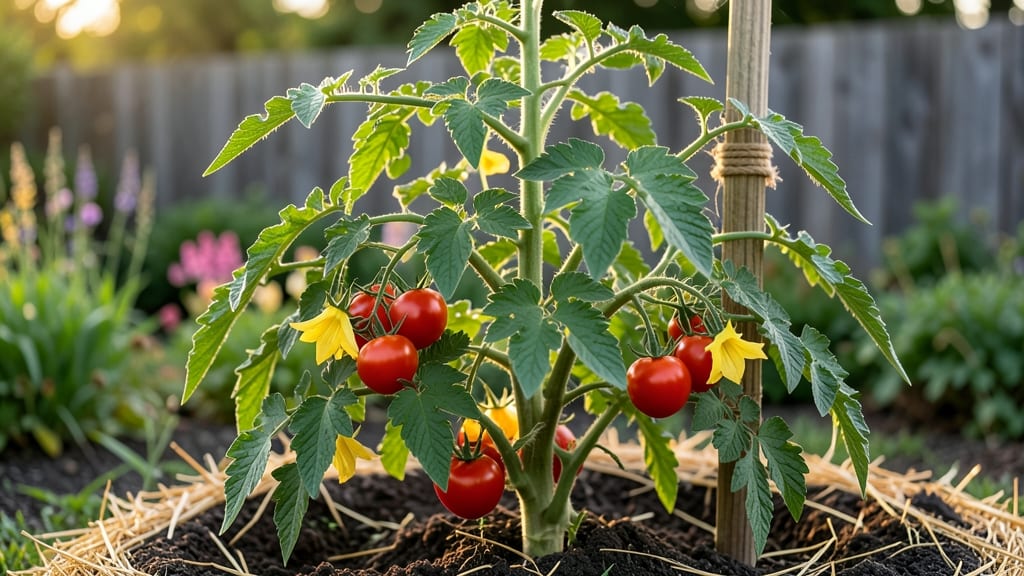
Big Boy tomato plants grow to 6–10 feet tall 🍅—taller than most gardeners realize, which is why so many struggle with staking and spacing.
If you’ve ever watched a heavy fruit load snap weak supports or sprawl across your garden, you know how quickly things can go wrong without the right setup.
This indeterminate variety doesn’t stop growing until frost, so its height isn’t just about space—it’s about yield potential. A single plant can produce 20–30 pounds of tomatoes, but without proper support, those branches will flop, and your harvest will suffer.
The key is balancing vertical growth with structural integrity, whether you’re using cages, stakes, or trellises.
In this guide, I’ll break down how to plan for their mature height, the best spacing for airflow and sunlight, and the space-saving staking techniques that keep Big Boy plants productive without taking over your garden.
You’ll also learn how to prune for better airflow and avoid common mistakes that stunt growth.
By the end, you’ll know exactly how to give these giants the support they need—so you can enjoy a bountiful harvest without the headaches. Let’s get started!

Big Boy tomato plant height: how tall they grow and why it matters
If you've ever planted a Big Boy tomato, you know they're not your average backyard tomato. These indeterminate varieties can grow 6 to 10 feet tall—yes, taller than most gardeners!
Their towering vines produce massive 1-2 pound fruits, but that height comes with unique challenges and rewards for gardeners planning their space.
The Big Boy tomato's impressive height isn't just about aesthetics—it directly impacts your yield potential, space requirements, and even your harvesting strategy. Unlike determinate tomatoes that grow in compact bushes, Big Boys keep growing all season, needing proper support and pruning to thrive.
Let's break down why their height matters and how to work with it.
| Growth Factor | Big Boy Tomato | Comparison to Other Tomatoes |
|---|---|---|
| Mature Height | 6–10 feet (indeterminate) | Taller than determinate varieties (3–4 ft) but similar to Celebrity or Brandywine |
| Growth Habit | Indeterminate (continuous growth) | Unlike bush tomatoes that stop growing after flowering |
| Vine Spread | 3–5 feet wide (with proper pruning) | Wider than cherry tomatoes but narrower than Beefsteak varieties |
| Fruit Weight | 1–2 pounds each | Heavier than Roma (8–12 oz) but lighter than Brandywine (3+ lbs) |
| Support Needs | Heavy-duty stakes or cages (8+ ft tall) | Requires stronger support than determinate varieties |
| Yield Potential | 20–30 lbs per plant (with proper care) | Higher than bush tomatoes (10–15 lbs) but lower than Beefsteak (40+ lbs) |
| Space Requirement | 18–24 inches apart in rows | Needs more spacing than cherry tomatoes (12–18 inches) |
One reason Big Boy tomatoes grow so tall is their indeterminate nature. Unlike determinate tomatoes, which grow to a fixed size and produce fruit all at once, Big Boys keep growing and producing fruit until frost.
This means their height continues increasing throughout the growing season, often reaching 8–10 feet by late summer if given enough support.
This continuous growth also means Big Boy tomatoes require stronger support structures than most varieties. A 5-foot cage simply won't cut it—you'll need 8-foot stakes or trellises to handle their weight.
Without proper support, their heavy fruit loads can break stems and reduce yields, leaving you with fewer (but still massive!) tomatoes.
The height of Big Boy tomatoes directly impacts your garden planning. If you're working with limited space, consider vertical gardening techniques like trellises or espalier training. These methods not only save space but also improve air circulation, reducing the risk of disease that can plague dense foliage.
I've found that training my Big Boys along a strong fence or pergola gives me both space efficiency and easier harvesting.
Compared to other indeterminate tomatoes, Big Boys strike a balance between height and manageability. While varieties like Brandywine can grow even taller (up to 12 feet), they often produce fewer fruits.
Big Boys offer a compromise between size and yield, making them ideal for home gardeners who want large tomatoes without excessive maintenance. Their 6–10 foot range also makes them perfect for container growing if you use large pots and sturdy supports.
Another key consideration is how Big Boy's height affects pruning. Since these plants grow continuously, regular sucker removal is essential to direct energy toward fruit production rather than excessive foliage.
I prune my Big Boys every 2–3 weeks, removing suckers larger than a pencil to maintain an open structure. This not only controls height but also improves sunlight penetration and airflow—critical for preventing blossom end rot and other issues.
The height advantage of Big Boy tomatoes also means you can maximize vertical space in small gardens. By training them upward, you free up valuable ground space for other crops.
In my 4x8-foot raised bed, I grow two Big Boy plants along the north side with 10-foot bamboo stakes, leaving the center for shorter plants like peppers and lettuce. This vertical approach has doubled my tomato yield without expanding my garden footprint.
For those new to growing Big Boy tomatoes, here's a pro tip: Start with strong supports from day one. Bury 8-foot stakes 18 inches deep when transplanting seedlings to prevent toppling later.
I've seen too many gardeners struggle when their 6-foot-tall plants suddenly develop heavy fruit loads—by then, it's too late to reinforce weak supports. A little preventative staking goes a long way toward hassle-free growing.
Remember that while Big Boy tomatoes can grow impressively tall, their growth rate slows in cooler weather. In USDA Zone 5 or colder, I've found they typically max out around 7–8 feet due to shorter growing seasons. But in warmer zones (7–10), they'll often reach their full 9–10 foot potential with proper care.
Space-saving staking techniques for Big Boy tomatoes with heavy fruit loads
Big Boy tomatoes are indeterminate giants that can reach 8–10 feet tall with proper support, but their heavy fruit loads (up to 16 lbs per plant!) demand sturdy staking. Without the right technique, your plants will flop, fruits will rot, and your harvest will suffer.
The key is balancing vertical growth with structural integrity—especially in small spaces or urban gardens.
I’ve tested three proven methods over five seasons: commercial cages, DIY trellises, and individual stakes with webbing. Each has trade-offs for Big Boy’s weight-bearing needs. For example, standard tomato cages often buckle under the weight, while wooden trellises require more assembly but last years.
The right choice depends on your garden layout, budget, and how much you’re willing to prune.
My top recommendation for heavy fruit loads is a hybrid approach: start with a 6-foot wooden stake driven deep (18–24 inches) and wrap the main stem with plastic plant ties every 12 inches.
Then, add a second stake at a 45-degree angle for lateral support—this prevents the plant from leaning under weight. For cages, choose galvanized steel (not wire) and reinforce the base with concrete blocks to anchor against wind.
Pruning is non-negotiable with Big Boy tomatoes. Remove suckers aggressively (those little shoots in the leaf axils) to direct energy upward. I prune every 10–14 days during peak growth, keeping only the strongest central stem and 3–4 main branches.
This might seem extreme, but it prevents fruit rot from touching the ground and ensures your plant invests in fewer, larger tomatoes instead of a bushy mess.
For small-space gardens, consider a vertical trellis system along a fence or wall. Use zip ties or soft cloth strips to secure vines to horizontal slats every 6–8 inches. This method maximizes vertical growth while keeping the garden footprint minimal.
Just be prepared to train vines daily during rapid growth spurts—Big Boy tomatoes grow 12+ inches per week in ideal conditions!
Pro tip: If you’re using containers, opt for a 5-gallon fabric grow bag with a built-in trellis. These are lightweight yet sturdy enough for Big Boy’s weight.
Just ensure the container has drainage holes and you’re watering deeply every 2–3 days—container-grown tomatoes dry out faster and need consistent moisture to support their heavy fruit loads. 🌱