
Size
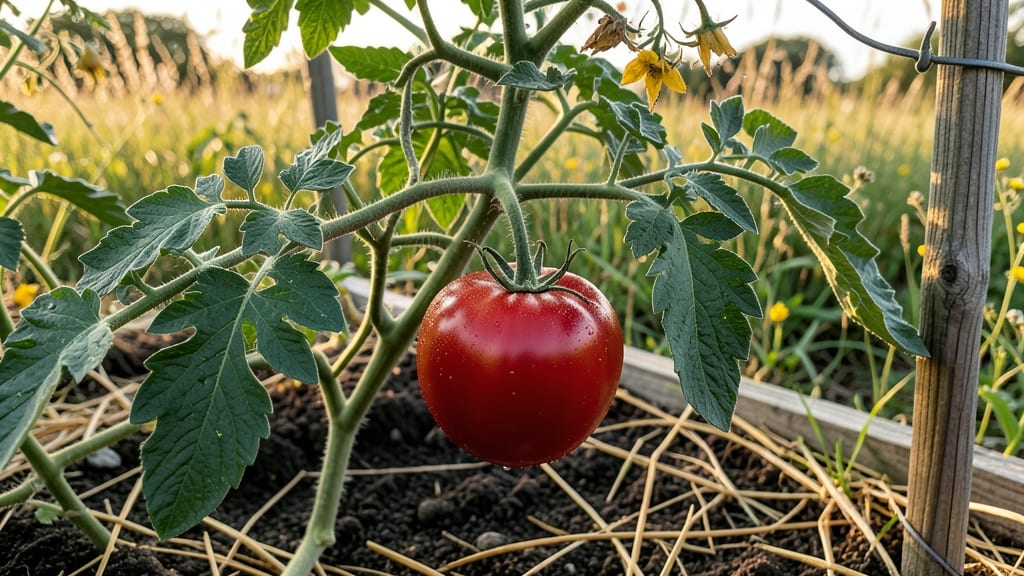
Beefsteak tomato plants grow to 4 to 6 feet tall with a 3 to 5-foot spread—think of them as the heavyweight champions of the garden 🍅, capable of supporting fruits that weigh over a pound each.
If you’ve ever dreamed of growing massive, juicy beefsteak tomatoes but worried about space constraints, understanding their full size is key—these giants can reach surprising heights and spreads while bearing fruit weighing over a pound each!
Most beefsteak varieties are indeterminate, meaning they keep growing until frost, so proper spacing and support are essential. Without staking or pruning, they can sprawl uncontrollably, taking over garden beds or containers.
In this guide, I’ll break down exactly how tall and wide these plants get, how to manage their size for maximum yield, and the best ways to fit them into your garden—whether you have a sprawling backyard or just a few containers on a balcony.
Beefsteak tomato plant size: exact height, spread & growth stages explained
Beefsteak tomatoes are the heavyweights of the tomato world, known for their massive fruit and impressive plant size. Most varieties reach a mature height of 4 to 6 feet, with a spread of 3 to 5 feet—think of a small tree with sprawling branches.
These indeterminate varieties grow continuously until frost, so their size depends on your growing season length and care.
The key to estimating final size early is observing the plant’s growth habit within the first 6-8 weeks. Fast-growing varieties with large leaves and vigorous vines will likely reach the upper end of the size range.
Meanwhile, slower-growing plants may stay closer to 4 feet tall unless given extra support.
Indeterminate beefsteak tomatoes (like 'Brandywine' or 'Cherokee Purple') are the giants of the group, growing 6+ feet tall and requiring strong stakes or trellises. Determinate varieties (rare in beefsteaks) stay bushier and shorter, typically 3-4 feet tall, but these are exceptions rather than the rule for this type.
Here’s a quick reference for how beefsteak tomato plants grow from seedling to maturity:
| Growth Stage | Height | Spread | Key Features |
|---|---|---|---|
| Seedling | 3-6 inches | 3-6 inches | First true leaves appear; delicate stems. |
| Transplant (4-6 weeks) | 1-2 feet | 1-2 feet | Rapid vertical growth; needs staking. |
| Flowering (8-10 weeks) | 3-4 feet | 2-3 feet | Heavy flowering; prune suckers for airflow. |
| Fruiting (10-14 weeks) | 4-6 feet | 3-5 feet | Max size; fruit weight bends stems. |
| Mature (Season End) | Up to 8 feet (with support) | Up to 6 feet | Vines may need trimming; harvest before frost. |
If you’re growing beefsteaks in containers, expect slightly smaller plants—3-4 feet tall—since root space limits growth. Use a 5-gallon pot minimum and prune aggressively to redirect energy to fruit production. In-ground plants, however, have no such limits and will stretch toward the sky unless pruned.
One way to estimate final size early is to measure the plant’s first 6 inches of growth after transplanting. If it grows 1 inch per week, it’s likely heading toward the 6-foot mark.
Slower growth (½ inch per week) suggests a 4-foot plant. This trick helps you plan stakes or trellises in advance.
Beefsteak tomatoes also develop a wide canopy due to their large leaves, which can shade lower branches. This is why pruning suckers (the shoots in the leaf axils) is critical—it improves airflow and prevents disease. Without pruning, the spread can double, creating a dense, unmanageable mess by midsummer.
For garden planning, leave 3 feet of space between plants and 4 feet between rows to accommodate their mature spread. If space is tight, consider vertical training with a sturdy trellis or tomato cage rated for 50+ pounds of fruit. This not only saves space but also makes harvesting easier.
Remember, the heavier the fruit, the more support your beefsteak tomato needs. A single ripe beefsteak can weigh 1 pound or more, so weak stems will snap under the weight.
Always use wide-gauge twine or soft plant ties to secure vines to supports—never wire, which can damage the bark.
How to manage beefsteak tomato size: pruning, staking & support tips for heavy fruit
Beefsteak tomato plants can grow 4-6 feet tall with 3-5 foot spreads, but their indeterminate growth habit means they’ll keep climbing if unchecked. The key to managing their size lies in pruning, staking, and strategic support—especially when those 1-pound tomatoes start weighing down branches.
Without proper care, your plants may become top-heavy and prone to snapping under the weight of their own fruit.
Start by pruning suckers—those small shoots growing between the main stem and branches. Remove them weekly to redirect energy to fruit production rather than excessive foliage. I like to keep 2-3 main stems for beefsteaks to balance airflow and sunlight penetration, which also reduces disease risk.
The goal is to control sprawl while maximizing those giant beefsteak fruits you’re growing for.
Don’t remove more than 1/3 of foliage—beefsteaks need leaves to photosynthesize for fruit growth. Prune too aggressively and you’ll reduce yield. Stop pruning 6 weeks before first frost to let plants harden off naturally.
For support, trellises or sturdy cages are essential. I recommend 6-foot wooden stakes with twine or nylon ties for individual plants, or 5-foot tomato cages (reinforced with wire) for multiple plants.
Avoid plastic cages—they bend under weight and can crush stems. If growing in windy areas, add extra cross-bracing to prevent stem breakage from heavy fruit loads.
When staking, tie stems every 12 inches using soft velcro strips or old T-shirts to avoid stem damage. Never use wire or tight knots, as these can girdle the plant over time.
I also weave branches through the trellis horizontally to distribute weight evenly—this prevents single points of failure where heavy fruit clusters might snap the main stem.
Watch for wind damage, especially in late summer when tomatoes reach peak weight. If your area gets strong gusts, consider adding a windbreak or securing plants with additional stakes.
I’ve seen 50-pound tomato plants topple in 20 mph winds—don’t let that happen to your hard-earned harvest! Mulch around the base to stabilize soil and reduce root movement during storms.
Finally, harvest regularly to prevent overloading branches. Remove overripe or cracked tomatoes immediately—they attract pests and can weigh down nearby fruit. With the right pruning, staking, and support, your beefsteak tomatoes will thrive without sprawling, giving you bigger, healthier fruit all season long. 🌱