
Companion Plants
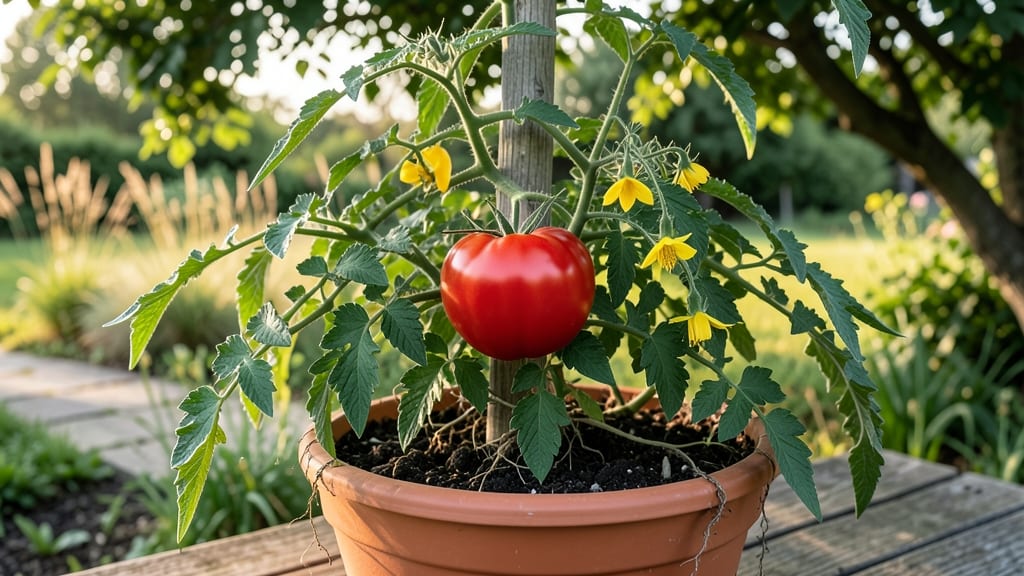
Growing beefsteak tomato plants in pots lets you enjoy 10-pound monsters on your patio without a backyard. 🌱 The key is choosing the right container—at least 5 gallons per plant—and giving those vines room to sprawl vertically.
I’ve grown beefsteaks in fabric pots, wooden barrels, and even repurposed trash cans, and the secret isn’t just the size, but the setup. Start with well-draining potting mix (avoid garden soil) and a sturdy trellis or tomato cage that can handle 6+ feet of growth.
Beefsteaks need 6-8 hours of sun daily and watering that keeps soil consistently moist but never soggy. Overwatering is the #1 killer—stick your finger in the soil before watering to check. By mid-summer, you’ll be harvesting glossy, beefy fruits that put store-bought tomatoes to shame.
The vines will climb like crazy, so prune suckers regularly to focus energy on fruit production. A balanced fertilizer every 2-3 weeks keeps them fed without burning the roots.
This method works for balconies, rooftops, or sunny porches—just watch for pests like aphids and provide shade cloth if temperatures hit 90°F+. With the right setup, you’ll outgrow your neighbors’ in-ground gardens. Let’s get those pots planted!
📚 In This Guide
- What you need
- Instructions
- Tips and common mistakes
- Wrapping up and next steps
What you need
- ● Pots: At least 5-gallon containers (1 per plant) with drainage holes. Pro tip: Larger pots (10+ gallons) yield bigger tomatoes! 🌡️
- ● Beefsteak tomato seeds or seedlings: Choose disease-resistant varieties like 'Brandywine' or 'Cherokee Purple.'
- ● High-quality potting mix: A well-draining, nutrient-rich blend (avoid garden soil—it compacts!).
- ● Slow-release fertilizer: Look for a balanced 10-10-10 or tomato-specific formula (follow package instructions).
- ● Support system: A sturdy tomato cage (5–6 ft tall) or bamboo stakes to keep vines upright.
- ● Gloves & trowel: For planting and soil prep.
- ● Watering can or hose with a gentle nozzle: Avoid overwatering—tomatoes hate soggy roots! ✨
- ○ Mulch (optional): Straw or shredded leaves to retain moisture and suppress weeds.
- ○ Pruning shears (optional): For trimming suckers and dead leaves.
- ○ pH test kit (optional): Aim for a soil pH of 6.0–6.8 for optimal growth.
Step-by-Step instructions for growing beefsteak tomatoes in containers
Here's how to coax those massive beefsteak fruits from vines you'll train up and out—no backyard needed.
🪴 Step 1: Select and Prepare the Right Containers
Beefsteak tomatoes need 5-gallon minimum containers—I use fabric grow bags because they breathe and prevent root circling, which is deadly for these heavy-fruited varieties. Drill drainage holes if your pot doesn't have them, then line the bottom with 2 inches of gravel to improve aeration and prevent soggy roots.
Choose pots with 18+ inches of depth—shallow containers restrict root growth and lead to stunted plants. Place them where they won't be disturbed by wind, as beefsteak vines can reach 6-8 feet tall when properly trained. I position mine against a sturdy fence or trellis system to support the weight of those massive fruits.
🌱 Step 2: Plant with Proper Spacing and Support
Fill the container with high-quality potting mix mixed with compost (I use a 70/30 ratio) and create a planting hole twice as wide as the root ball. Gently remove the plant from its nursery pot and tease the roots outward—this encourages them to spread into the new container. Place the plant so the top of the root ball sits 1 inch below the soil line.
Firm the soil around the roots and water deeply until it drains from the bottom holes. Immediately install your trellis or cage—beefsteak vines grow aggressively and need support from day one. I use a 6-foot tall tomato tower with sturdy metal stakes that won't bend under the weight of 1-pound tomatoes. Tie the main stem loosely to the support with soft plant ties.
☀️ Step 3: Provide Optimal Light and Watering Routine
Beefsteak tomatoes demand full sun exposure—6-8 hours daily. Place your containers where they'll receive morning sun and afternoon shade if you're in a hot climate. I rotate my pots quarter-turn weekly to ensure even growth and prevent the vines from leaning toward the light source.
Water when the top 2 inches of soil feel dry—these plants drink heavily, especially during fruiting. I use a drip irrigation system set to deliver 1 gallon per plant daily during peak summer, but always check soil moisture first. Never let them wilt—they recover poorly once stressed. Mulch with 2 inches of straw to retain moisture and regulate soil temperature.
✂️ Step 4: Prune and Train for Maximum Yield
Begin pruning when the plant reaches 3 feet tall. Remove any suckers (the small shoots that form in the leaf axils) to direct energy into fruit production. I prune suckers larger than 6 inches using clean, sharp shears—smaller ones can be pinched off with fingers. Leave only the main stem and strong lateral branches that form 45-degree angles from the main vine.
Train the main vine along your trellis, tying it every 12 inches as it grows. When lateral branches reach 24 inches long, trim them back to 12 inches to encourage bushier growth. This pruning strategy prevents disease by improving airflow and ensures your beefsteaks get maximum sunlight for development. Stop pruning when flowers appear to preserve fruit set.
🍅 Step 5: Fertilize and Harvest for Continuous Production
Feed your beefsteak plants with a balanced liquid fertilizer (10-10-10) every 2 weeks during the growing season. I switch to a low-nitrogen, high-phosphorus formula (5-10-10) when flowers appear to boost fruiting. Always water thoroughly before fertilizing to prevent root burn.
Harvest beefsteak tomatoes when they're fully colored and slightly soft to the touch—usually 70-80 days after transplanting. I twist gently to avoid damaging the vine, then let the fruits ripen indoors if needed. Regular harvesting stimulates more production, so check your plants every 2-3 days during peak season. With proper care, a single beefsteak plant can yield 10-20 pounds of fruit per season—enough for years of homegrown sandwiches and sauces.
Tips & tricks for perfect beefsteak tomato growth in containers
Here's what nobody tells you about growing these giants in limited space—tricks that'll make all the difference between decent tomatoes and showstopping beefsteaks.
Container Depth is Non-Negotiable: Those 18+ inches of depth in Step 1 aren't just a suggestion—they're essential for beefsteak's deep root systems. I've seen plants in 12-inch pots struggle to support fruit heavier than a baseball. If you're limited to shallower containers, consider a two-pot system where you train the roots into a second container below the main pot for extra support.
Root Teasing Technique: When you're loosening those roots in Step 2, don't just pull them apart—actually spread them outward like a starfish. This creates a wider root base that can better access nutrients in the 5-gallon container. I use my fingers to gently splay the roots while keeping the root ball intact, then tuck them into the soil. The goal is to encourage horizontal growth rather than just vertical.
Light Rotation Strategy: That quarter-turn weekly rotation in Step 3 isn't just about aesthetics—it's about preventing your plant from growing lopsided. Beefsteak vines naturally grow toward the light source, and without rotation, one side will become woody and weak while the other stretches thin. I mark my pots with a pencil to track which side gets which light exposure each week.
Pruning Timing Secret: The moment you see flowers in Step 4, stop pruning immediately—no exceptions. I've learned this the hard way after removing suckers right before flowering and ending up with stunted fruit. Once those blossoms appear, all energy goes to fruit development. You can still train existing vines along the trellis, but no more aggressive pruning.
Pro Tips for Beefsteak Tomato Plants In Pots
- Here's what nobody tells you about growing these giants in limited space—tricks that'll make all the difference betwe...
- Container Depth is Non-Negotiable: Those 18+ inches of depth in Step 1 aren't just a suggestion—they're essential for...
- Root Teasing Technique: When you're loosening those roots in Step 2, don't just pull them apart—actually spread them ...
Frequently asked questions
Got questions about growing beefsteak tomato plants in pots? You’re not alone! Here are answers to the most common queries to help you cultivate thriving vines and juicy harvests—no matter your experience level.
How big should the pot be for a beefsteak tomato plant?
Aim for a pot at least 18–24 inches deep and wide—beefsteaks need room to stretch their roots and support heavy fruit. Smaller pots (under 12 inches) will stunt growth and reduce yields. Pro tip: Add a 5-gallon fabric grow bag for better drainage and aeration!
When is the best time to transplant beefsteak tomato seedlings into pots?
Wait until after the last frost (when soil temps hit 60°F+) and seedlings have 3–4 true leaves. Transplant in the morning to reduce stress. Harden off seedlings 7–10 days before moving them outside for success!
Can I grow beefsteak tomatoes in pots without a cage or trellis?
Yes, but expect smaller, less productive plants. Beefsteaks are heavy! Use a sturdy 5–6 ft tall cage or trellis to support vines and prevent sprawling. Pro tip: Prune suckers (side shoots) to direct energy to fruit growth!
What pests or diseases should I watch for in potted beefsteak tomatoes?
Common issues include:
- Blossom end rot (calcium deficiency)—fix with crushed eggshells or calcium spray.
- Hornworms—handpick or use BT (Bacillus thuringiensis) spray.
- Fungal diseases (early blight)—improve airflow, avoid overhead watering.
Inspect leaves weekly and act fast to protect your harvest!
What are the best companion plants for beefsteak tomatoes in pots?
Pair with:
- Basil (repels pests, boosts flavor).
- Marigolds (deter nematodes).
- Onions or garlic (fight fungal diseases).
Avoid planting with fennel or brassicas (cabbage family)—they compete for nutrients.
Wrapping up and next steps
Growing beefsteak tomato plants in pots is a rewarding adventure that brings big flavors to small spaces! 🌱 With the right containers, companion plants, and care tips, you’ll enjoy juicy, vine-ripened tomatoes even on a balcony or patio.
Whether you’re a seasoned gardener or just starting, this method proves that space isn’t a limitation—just a creative challenge.
Now that you’re armed with the know-how, roll up your sleeves and get planting! 🌿 Next, pick your favorite beefsteak variety, grab those pots, and let the sun do the rest. Happy growing—your taste buds (and Instagram feed) will thank you!