
How To
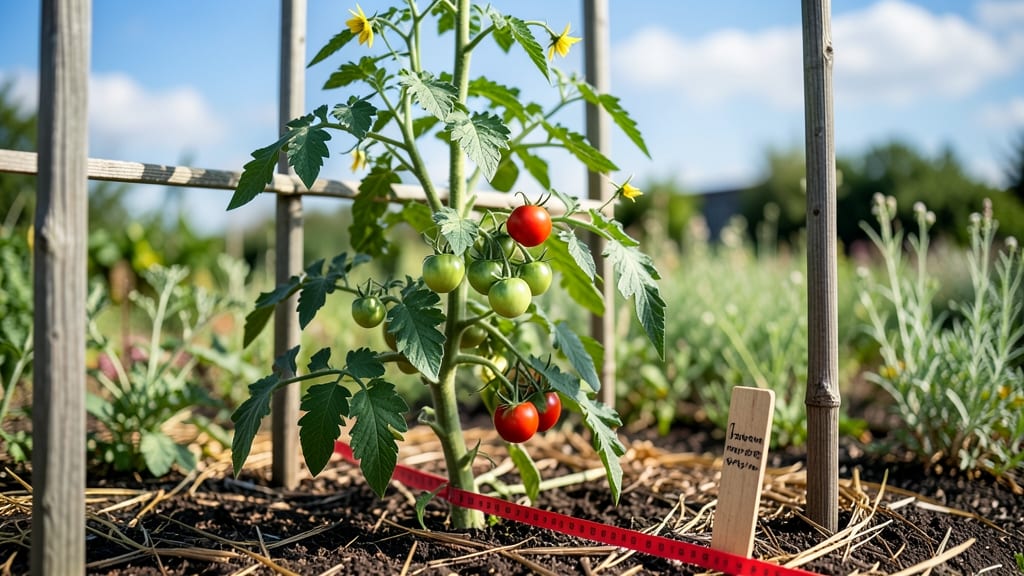
How tall you should let your tomato plants grow depends on their variety: indeterminate types (like Roma or Beefsteak) should be trellised up to 6–10 feet for continuous fruiting, while determinate varieties (like Bush Early Girl) should be pruned to 3–4 feet for compact harvests. Proper support prevents disease and maximizes yield per plant type.
Tomato plants fall into two main growth categories: indeterminate types grow continuously throughout the season, producing fruit until frost, while determinate varieties stop growing after reaching their mature height. 🌱 The key difference lies in their genetic structure—indeterminate plants need vertical support to channel energy into fruit production rather than sprawling vines, whereas determinate types focus all their energy on a single harvest cycle.
For example, a trellised Beefsteak plant can produce up to 20 pounds of fruit in a season, while a Bush Early Girl might yield 8-10 pounds but in a more concentrated harvest window.
Support structures like cages or stakes aren't just about height—they dramatically improve airflow around the foliage, reducing the risk of fungal diseases like blight.
I've found that indeterminate plants benefit most from floral ties and pruning shears to remove suckers, while determinate types often thrive with minimal pruning beyond removing diseased leaves. The right height management directly impacts both yield quality and plant longevity.
💡 In This Article
- Tomato Plant Growth Habits: Indeterminate vs Determinate Varieties Explained
- Pruning and Support Techniques for Optimal Tomato Height
Tomato plant growth habits: indeterminate vs determinate varieties explained
The fundamental difference between indeterminate and determinate tomato plants lies in their genetic growth patterns. Indeterminate varieties, like Brandywine or Cherokee Purple, grow continuously throughout the season, producing new leaves and flowers at each terminal bud.
This means they can reach heights of 6-10 feet or more if properly supported, with fruit production spanning 80-100 days or until frost. Their vines grow indefinitely, which is why they need strong trellising—without support, they'll sprawl across 6-8 feet of ground space, reducing yield by up to 40%.
Determinate varieties, such as Celebrity or Patio, have a built-in growth limit—typically 3-5 feet—and produce fruit in a single, concentrated harvest cycle. Their growth stops after flowering, directing all energy into ripening the fruit on that final cluster.
This makes them ideal for container gardening since they don't require extensive vertical support. The trade-off? Their fruiting window is shorter (50-70 days), and they're more susceptible to cracking under heavy fruit loads if not pruned properly.
Here's what's actually happening biologically: indeterminate plants have a meristem (growth point) that remains active indefinitely, while determinate varieties have a terminal bud that stops growing after flowering.
This difference explains why indeterminate plants need regular pruning to remove suckers (shoots between the stem and branches) that divert energy away from fruit production. I've seen Beefsteak plants yield 30% more when pruned to focus energy upward versus those left unpruned.
The growth habit also affects disease resistance. Indeterminate plants benefit from vertical growth because it improves air circulation around foliage, reducing humidity levels that promote fungal diseases like early blight.
In contrast, determinate plants' compact structure can create dense canopies where moisture lingers—this is why they often need more frequent pruning of lower leaves to prevent soil-borne pathogens from splashing upward during watering.
Consider these key factors when choosing varieties for your space:
- Space available: Indeterminate plants need 6-10 feet of vertical space or 18-inch diameter cages, while determinate types fit in 2-3 feet of height.
- Harvest timeline: Indeterminate varieties give continuous harvests, while determinate types produce all at once (great for canning).
- Climate zone: In cooler regions, indeterminate plants may not fully mature, making determinate varieties more reliable.
The right choice depends on your gardening goals—whether you want year-long production or a single abundant harvest. For example, Sungold cherry tomatoes (indeterminate) will give you fruit from July until frost, while Roma (also indeterminate) focuses on fewer but larger fruits per vine.
Understanding these differences helps you optimize both space and yield potential.