How To
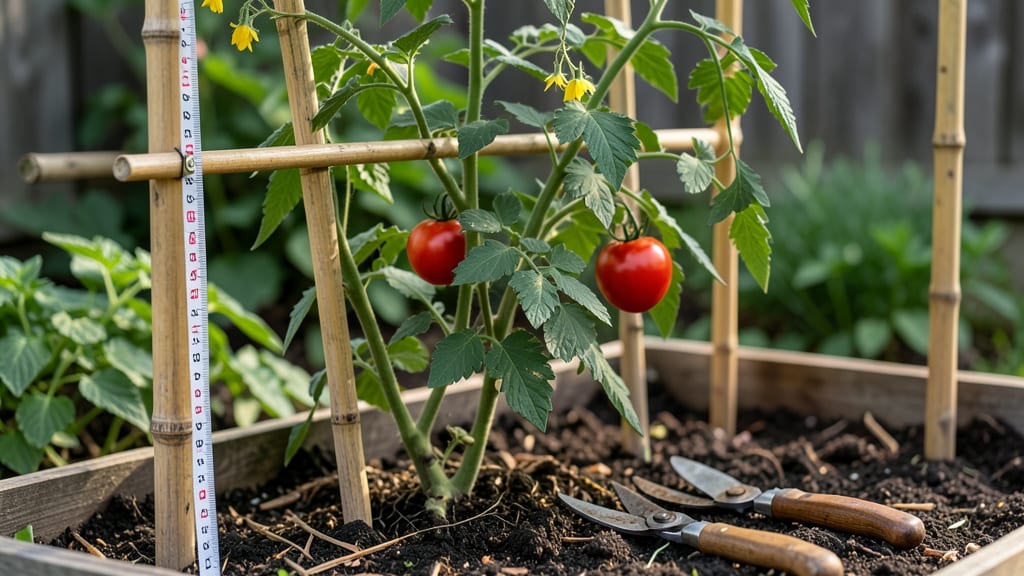
How tall does tomato plants grow? You’ll find heights ranging from 3 to 8 feet, depending on whether you’re cultivating bushy determinate types or sprawling indeterminate varieties 🍅 — and knowing the difference can save you space (or heartache) in your garden.
If you’ve ever wondered whether your backyard can handle towering tomato vines or if bush varieties are the better fit, knowing the height differences between tomato types is key to maximizing your garden space—and your harvest.
Determinate tomatoes stay compact, topping out around 3 to 5 feet, while indeterminate varieties can climb to 6 to 10 feet if left unchecked. That means your choice isn’t just about flavor—it’s about staking, trellising, and even how much room you have between rows.
Below, I break down the height ranges for popular varieties, how to control sprawl with pruning, and which types thrive in small spaces versus large gardens. No more guessing—just better planning for your next harvest.

Tomato plant height by variety: trellis vs. bush types explained
When planning your tomato garden, one of the first questions I ask myself is: how tall does tomato plants grow? The answer depends entirely on whether you're growing determinate (bush) or indeterminate (trellis) varieties.
These two types have completely different growth habits, space needs, and support requirements. Understanding their height differences will help you choose the perfect varieties for your garden layout and maximize your harvest potential.
Determinate tomatoes are the classic bush varieties that grow to a predictable height—typically between 2 to 5 feet. They stop growing once they reach maturity and produce fruit all at once, making them ideal for container gardening or small spaces.
Indeterminate tomatoes, on the other hand, are the vining giants that can grow 6 to 12 feet tall or more if left unchecked. They produce fruit continuously throughout the season, but they need strong support structures like trellises or cages.
Here’s the key difference: determinate tomatoes are like the reliable, compact neighbors who stay within their property lines, while indeterminate tomatoes are the free-spirited climbers that need a ladder—or a sturdy trellis—to reach their full potential.
Knowing which type you’re working with will save you from crowded plants, broken stems, and missed harvests. Let’s break down the specifics so you can plan your garden like a pro.
If you’re working with limited space, determinate varieties like Roma or Patio Princess are my go-to choices. These plants stay neatly contained, making them perfect for containers or raised beds.
For example, the Roma tomato typically maxes out at around 3 feet tall, while Patio Princess stays under 2 feet—ideal for a sunny windowsill or balcony. The trade-off? You’ll get a single, concentrated harvest rather than a prolonged supply of fruit.
On the other hand, if you have vertical space to spare, indeterminate varieties like Sungold or Brandywine will reward you with continuous fruit production all season long. These vines can easily reach 8 to 10 feet tall if given proper support.
I’ve seen Brandywine tomatoes climb to 12 feet in my garden when trained on a sturdy trellis! The key here is to provide a strong support structure early in the season to prevent the plants from flopping over under the weight of their own fruit.
One common mistake I see in beginner gardens is assuming all tomato plants need the same amount of space. Indeterminate varieties require at least 3 feet of vertical space and 18–24 inches between plants to thrive, while determinate types can be spaced 2–3 feet apart in all directions.
If you’re growing both types in the same garden, plan accordingly—place taller varieties along fences or trellises to save ground space for bushier plants.
Another factor that influences tomato plant height is your pruning habits. Indeterminate varieties benefit from regular pruning to direct energy toward fruit production rather than excessive foliage.
I like to prune suckers (the small shoots that grow in the joint between the stem and branches) to keep my Sungold tomatoes under control, even though they’re naturally vigorous growers.
With proper pruning, you can even train an indeterminate plant to stay within a 6-foot height limit, making it more manageable in smaller gardens.
Climate also plays a role in how tall your tomato plants grow. In warmer climates, indeterminate varieties may grow even taller and produce fruit for a longer season.
Meanwhile, in cooler regions, growth might be slower, and plants may not reach their full potential height. If you’re in a shorter
Best tomato varieties for small gardens vs. large-scale growing
Choosing the right tomato varieties can make all the difference in a small urban garden or a sprawling backyard. Compact varieties save space while tall types maximize yield in larger plots. Let’s explore the best options for each scenario, including their height ranges, yield potential, and care essentials.
For small gardens, look for determinate varieties that stay under 4 feet tall. These bushy plants produce fruit all at once, making them perfect for containers or tight spaces. Meanwhile, indeterminate varieties (6+ feet) thrive in larger gardens, producing fruit continuously throughout the season.
🌱 Numbered Highlights: Tomato Varieties by Height & Space Needs
- 🌿 Compact Varieties (Under 4 ft) – Ideal for containers, balconies, or small plots. Examples: Tiny Tim (2-3 ft), Patio Princess (3 ft), Bush Early Girl (3-4 ft).
- 🪴 Semi-Dwarf Varieties (4-5 ft) – Great for raised beds or small gardens. Examples: Sweet Million (4-5 ft), Roma VF (4 ft), Stupice (4-5 ft).
- 🌳 Tall Varieties (6+ ft) – Perfect for large gardens or trellises. Examples: Sungold (6-8 ft), Brandywine (7-10 ft), Cherokee Purple (6-8 ft).
- 🍅 Yield Potential – Compact varieties yield 10-20 lbs per plant, while tall types can produce 20-50 lbs per plant with proper support.
- 💧 Care Tips – All tomatoes need 6+ hours of sun and consistent watering, but tall varieties require staking or trellising to prevent sprawl.
If you’re working with limited space, Tiny Tim is my top pick—it’s a cherry tomato that matures in just 55 days and stays under 2 feet tall. Place it in a 5-gallon container with a tomato cage for support, and you’ll enjoy a steady harvest all season.
For large-scale growing, Sungold is a game-changer. This indeterminate cherry tomato can grow up to 8 feet tall and produces prolific sweet fruit. Train it on a trellis or sturdy stake to save space and improve airflow, reducing disease risk.
Don’t overlook disease-resistant varieties like Roma VF or Celebrity, which stay compact (3-4 feet) but offer high yields and built-in protection against common issues like verticillium wilt or fusarium. These are ideal for small gardens where disease pressure is higher.
Pro tip: If you love heirloom tomatoes but lack space, try Stupice, a semi-dwarf variety that grows just 4-5 feet tall but delivers flavorful, beefsteak-sized fruit. Pair it with a small trellis to keep it manageable while still maximizing yield.
Whether you’re a container gardener or managing a half-acre plot, selecting the right tomato varieties based on height and space needs ensures a bountiful harvest without the chaos. Start small, experiment with a few varieties, and watch your garden transform into a tomato powerhouse! 🌱