
Planting
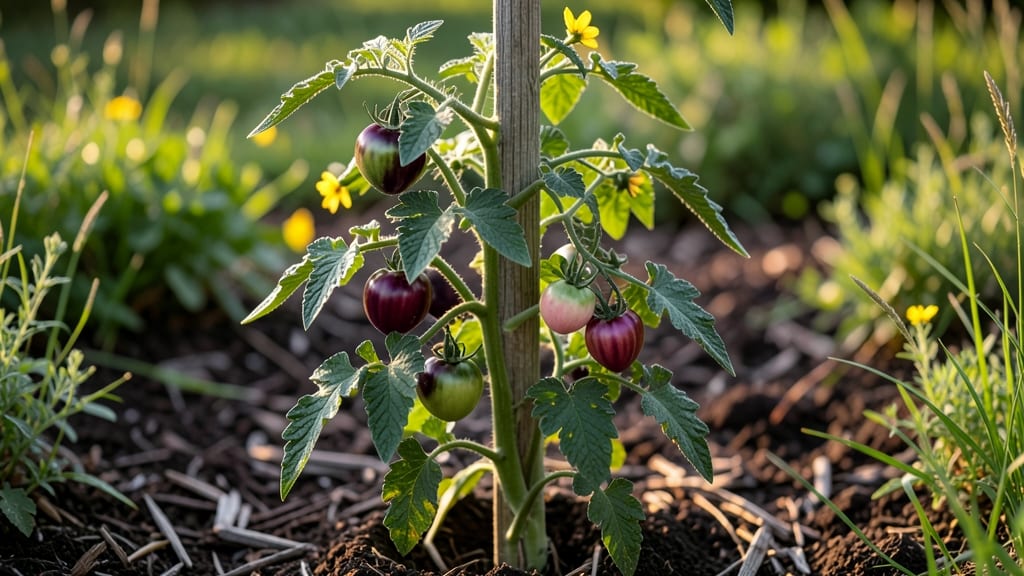
The Cherokee Purple tomato plant height can reach 5 to 8 feet—taller than most gardeners expect, but with the right care, you’ll turn that vertical growth into a bounty of deep purple, beefsteak-sized slices.
If you’ve ever dreamed of growing heirloom tomatoes with rich, smoky-sweet flavor but worried about space, the Cherokee Purple is your perfect match—yet its dramatic height demands smart planning.
This indeterminate variety keeps climbing until frost, which means proper spacing, staking, or trellising isn’t just a suggestion—it’s a must. Skip these steps, and you’ll end up with tangled vines, fewer fruits, and a lot of frustration.
Below, I’ll walk you through how to manage its height, from pruning techniques to spacing tricks, so you can maximize your harvest without sacrificing your garden’s layout.

How tall Cherokee Purple tomatoes grow: height stages & growth habits
The Cherokee Purple tomato is a heirloom variety known for its deep purple fruit and rich flavor, but its indeterminate growth habit means it can reach impressive heights.
Unlike dwarf varieties, these plants don’t stop growing—they keep climbing until frost. Understanding their height stages helps you plan support structures and maximize space efficiently.
From seedling to maturity, Cherokee Purple tomatoes grow in distinct phases, each with unique height milestones. Climate and care play huge roles in how tall they become—some plants hit 8 feet in ideal conditions, while others may stay closer to 5 feet in cooler regions.
Let’s break down what to expect at each stage and how to nurture their growth.
| Growth Stage | Height Range | Timeframe | Key Notes |
|---|---|---|---|
| Seedling | 3–6 inches | 0–3 weeks | Delicate stems; needs support when transplanted. |
| Early Vegetative | 1–2 feet | 3–6 weeks | Rapid stem elongation; stake or cage early. |
| Flowering | 3–5 feet | 6–10 weeks | Heavy fruit load; prune suckers to control height. |
| Mature (Peak) | 5–8 feet | 10–14 weeks | Indeterminate; continues growing until frost. |
| Exceptional Cases | Up to 10+ feet | Long growing seasons | Requires strong trellising; common in warm climates. |
At the seedling stage, Cherokee Purple tomatoes start small—typically 3–6 inches tall—but their growth accelerates once transplanted. During the early vegetative phase, they can shoot up 1–2 feet in just a few weeks, making early support essential.
Without proper staking or caging, stems may bend or break under their own weight.
The flowering stage is when things get exciting—and challenging. Plants often reach 3–5 feet by this point, and their indeterminate nature means they’ll keep growing. This is also when you’ll see the first purple blossoms, signaling heavy fruit production ahead.
Pruning sucker growth (those little shoots in the leaf axils) helps redirect energy to fruit rather than extra height.
By maturity, most Cherokee Purple tomatoes stand 5–8 feet tall, though some exceptional plants in warm climates can exceed 10 feet. Their vine-like growth requires sturdy trellises or cages to prevent sprawling.
In cooler regions, like USDA Zone 5, expect slightly shorter plants (4–6 feet) due to shorter growing seasons. Always account for this when planning your garden layout.
Climate plays a huge role in how tall Cherokee Purple tomatoes grow. In hot, sunny regions (like Zone 9 or 10), these plants thrive and may grow taller due to extended growing seasons.
Conversely, in cooler climates, their growth slows, and they may not reach their full potential height. Soil fertility also matters—over-fertilizing with nitrogen can lead to lush foliage but fewer fruits, while balanced feeding supports both height and productivity.
If you’re growing Cherokee Purple tomatoes in containers, expect slightly shorter plants (4–6 feet) due to root restriction. However, with proper pruning and trellising, you can still encourage vertical growth.
For small gardens, consider training them along a fence or using a floral arch trellis to save space while maximizing height potential.
One common mistake gardeners make is underestimating support needs. Without proper staking or caging, Cherokee Purple tomatoes can topple over under the weight of their heavy fruit loads. Always install support structures at planting time—even if the plant is small—to avoid damaging roots later.
A 5-foot tomato cage is a good starting point, but taller trellises may be needed for exceptional growth.
To encourage optimal height without sacrificing fruit production, focus on balanced care. Provide 6–8 hours of sunlight daily, water deeply at the base (avoid wetting leaves), and mulch to retain moisture.
Avoid over-pruning, as this can stunt growth. Instead, remove only suckers and diseased leaves to maintain airflow and plant health.
🌱
Optimal spacing for Cherokee Purple tomatoes: avoid crowding & boost yields
The Cherokee Purple tomato thrives when given room to stretch—18 to 24 inches apart between plants is ideal. This spacing isn’t just about fitting them in; it’s about ensuring each vine gets the sunlight, airflow, and nutrients it needs to produce those heirloom-sized fruits.
Crowding leads to poor air circulation, which invites fungal diseases like blight and weakens the plant’s ability to support its own weight.
For rows, maintain 3 to 4 feet between them. This wider spacing allows you to move between plants easily for pruning, harvesting, and checking for pests. If your garden is small, consider vertical growing—trellises or cages can save space while keeping the plants healthy and productive.
Here’s how different spacing methods compare for Cherokee Purple tomatoes:
If you’re growing Cherokee Purples in containers, opt for 5-gallon pots or larger to accommodate their deep root systems. Smaller pots restrict growth and limit fruit production. Always use a well-draining potting mix enriched with compost to support their heavy vines and large fruits.
For small gardens, consider a cage or trellis system. These not only save space but also improve air circulation, reducing the risk of disease. Prune suckers regularly to redirect energy into fruit production rather than excessive foliage.
A 3-foot-tall cage can support multiple plants if spaced closely, but avoid overcrowding—even in vertical setups.
Remember, proper spacing isn’t just about fitting plants into your garden—it’s about setting them up for success. With the right layout, your Cherokee Purple tomatoes will reward you with bountiful harvests and minimal stress. Happy growing!