
Tools
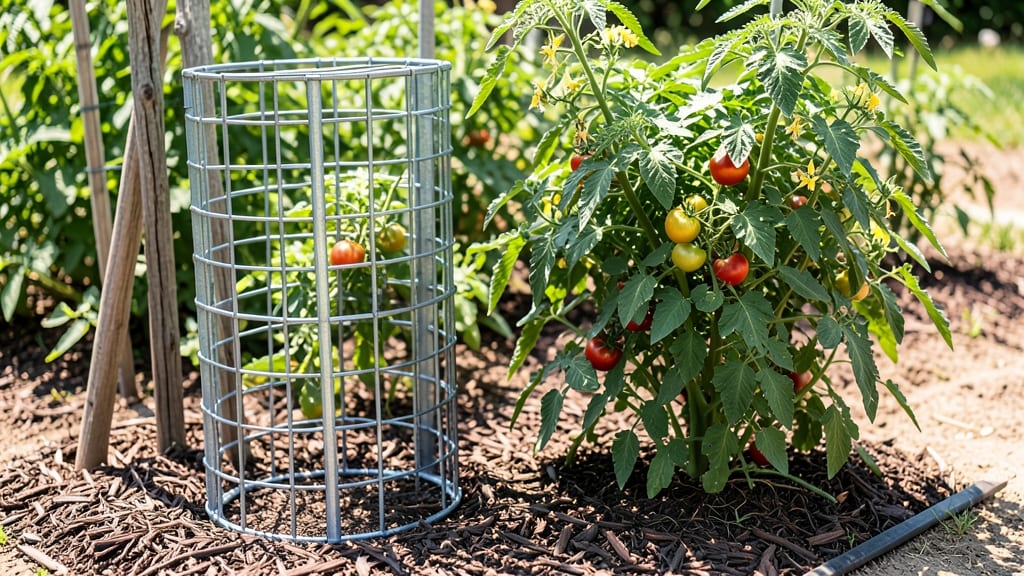
My first heavy-duty tomato cages saved my 20-pound beefsteak tomatoes from collapsing in last summer's windstorms—no more bent wire cages or flattened plants. 🌱 The right cage transforms a sprawling mess into a tidy, productive tower that actually holds weight, even when laden with fruit.
Look for cages made from galvanized steel or thick plastic that won't bend under 10+ pounds of fruit. I swear by the 6-foot tall versions for indeterminate varieties—they're tall enough to keep plants vertical without crowding.
Install them early, before vines get heavy, and bury the base 6 inches deep for stability.
You'll end up with tomatoes that ripen evenly, stay dry (reducing rot), and don't touch the ground. The cages also make harvesting easier—no more wrestling with sprawling vines. Plus, they look neater than stakes and ties, which is a bonus for front-yard gardens.
For extra insurance in windy areas, add a wooden stake at the base or use soft plant ties to secure the main stem. The combination handles everything short of a hurricane. Here's how to pick and use them right from day one.
What Weakens Sturdy Supports
Understanding why even the strongest tomato cages fail helps you choose the right support—and avoid frustration. Heavy-duty cages aren’t immune to stress, and several factors can compromise their stability. Here’s why they might not hold up as expected:
Tomatoes are heavy when laden with fruit, and their vines grow aggressively. A 50-pound tomato plant (or more!) creates immense downward force on the cage’s structure. If the cage isn’t designed with reinforced steel or thick galvanized wire, the frame can bow, twist, or even collapse under the weight.
Why it matters:
- Wire gauge matters: Thinner wire (like 14-gauge) bends easily, while 12-gauge or thicker resists sagging.
- Height distribution: Taller cages (6+ feet) need additional cross-bracing to prevent top-heavy tipping.
- Soil compaction: Loose or rocky soil reduces stability—stake the cage deep (12+ inches) for better anchorage.
Even the sturdiest cage can fail if Mother Nature gets involved. High winds, rain, or hail exert lateral pressure, while prolonged moisture weakens metal over time.
Why it matters:
- Galvanization vs. plain steel: Uncoated steel rusts quickly, losing strength. Hot-dipped galvanized wire lasts 5–10 years longer.
- Wind exposure: Cages in open areas need tie-down straps or guy wires to prevent toppling.
- Snow/ice buildup: In cold climates, accumulated weight can snap weaker frames—remove excess snow if growing in snowy regions.
Extreme heat or cold causes metal to expand or contract, leading to micro-fractures over time. Cheap cages made from low-grade steel or plastic-coated wire degrade faster under thermal stress.
Why it matters:
- Heat weakens metal: Prolonged exposure to 90°F+ temperatures reduces tensile strength—choose powder-coated or stainless steel for longevity.
- Cold makes metal brittle: Freeze-thaw cycles accelerate rust and cracking—store cages indoors in winter if possible.
- Plastic vs. metal: While heavy-duty plastic cages resist rust, they yellow in UV light and become brittle after 2–3 seasons.
Squirrels, rabbits, and even armadillos (yes, really!) chew through wire cages, while termites or fungal rot can weaken wooden supports. Even bird perches on the top ring can cause imbalance.
Why it matters:
- Animal-proofing: Use 1-inch or smaller wire mesh to deter gnawing pests.
- Elevate cages: Place them on brick or metal bases to prevent burrowing animals from tunneling underneath.
- Inspect regularly: Check for gnaw marks, rust holes, or bent wires—repair or replace before the plant outgrows the damage.
Even the best cage fails if not installed correctly. Shallow staking, uneven placement, or overcrowding plants distributes weight improperly.
Why it matters:
- Depth matters: Drive stakes at least 12 inches deep—shallow cages lean or tip.
- Spacing plants: Give each tomato 18–24 inches of space—overcrowding forces cages to lean against each other.
- Tying vines properly: Loose or tight ties (too tight = vine damage; too loose = no support). Use soft cloth or Velcro straps to avoid wire cuts.
Cages aren’t meant to be reused indefinitely. After 3–5 seasons, even heavy-duty wire loses structural integrity from rust, bent sections, and accumulated dirt.
Why it matters:
- Replace every 3–5 years: Metal fatigues—don’t patch rusty cages with duct tape (it fails under load).
- Clean annually: Remove dried mud, sap, and debris—buildup adds unnecessary weight.
- Store properly: Coat in oil or store dry to prevent rust between seasons.
Key Takeaway: Most cage failures come from a combination of weight, weather, and poor setup. By addressing these root causes—upgrading wire gauge, securing stakes, and choosing rust-resistant materials—you’ll keep your tomatoes upright and thriving all season long. 🚀
Fixing common tomato cage struggles
Even the sturdiest heavy-duty tomato cages can face challenges—whether it’s flimsy supports, tangled vines, or cages that topple under the weight of lush foliage. But don’t worry! With a few practical fixes and proactive tips, you can keep your tomato plants thriving without the stress.
Here’s how to troubleshoot the most common issues and prevent them from happening again.
If your tomato cages are bowing like noodles or toppling like dominoes, the problem is usually structural weakness—whether from cheap materials or overloaded plants. Here’s how to reinforce them:
- 🔧 Upgrade to Thicker Materials: Swap out flimsy plastic cages for galvanized steel or reinforced metal designs. Look for cages with 1.5-inch or thicker wires and extra-wide bases for stability.
- 🧱 Add External Support: For extra-tall varieties (like ‘Sungold’ or ‘Beefsteak’), tie the cage to a wooden stake or bamboo pole with soft plant ties. Drive the stake 6+ inches deep into the soil for maximum grip.
- 🌱 Prune Strategically: Overgrown vines can weigh cages down. Pinch off suckers (the small shoots between the main stem and branches) and trim excessive foliage to reduce weight. Aim to leave only 3-4 main stems per plant.
💡 Prevention Tip: Start with the right size! Choose a cage that’s at least 5-6 feet tall for indeterminate tomatoes (they keep growing). For determinate varieties (bush types), a 4-foot cage is usually enough.
When tomato vines bully their way out of the cage, it’s often because the cage is too small or the plant is aggressively sprawling. Here’s how to corral those wayward vines:
- 🔄 Use a Larger or Adjustable Cage: If your current cage feels like a straightjacket, upgrade to a 6-foot or tower-style cage with removable or extendable sections.
- 🧵 Weave Vines Gently: Instead of wrestling with tangled vines, guide them upward every few days. Use soft cloth or Velcro ties (never wire!) to secure them to the cage. Avoid wrapping too tightly—this can damage stems.
- 🌿 Add a Side Trellis: For varieties like ‘Brandywine’ that sprawl wide, attach a secondary trellis to the side of the cage. Use jute twine to loosely tie vines to the trellis as they grow.
💡 Prevention Tip: Train early! Start weaving vines into the cage within the first week of growth. This habit prevents rebellious tangles later.
Rusty cages are a metal fatigue issue—usually from moisture, salt, or cheap coatings. Here’s how to protect them:
- 🛡️ Choose Galvanized or Powder-Coated Cages: Galvanized steel (zinc-coated) or powder-coated metal cages resist rust far better than plain steel. Avoid uncoated wire cages.
- 🌧️ Dry Them After Rain: If your cages get wet, shake off excess water and let them air-dry in the sun. Store them upright in a dry place when not in use.
- 🎨 Add a Protective Spray: For extra defense, spray cages with a light coat of car wax or clear silicone spray (available at hardware stores). This creates a water-resistant barrier.
💡 Prevention Tip: Elevate cages slightly! Place them on a small platform of bricks or pavers to improve airflow and reduce soil splatter, which speeds up rust.
If your cages suddenly give out when tomatoes are heavy with fruit, the issue is likely overloading. Here’s how to salvage the season:
- 🍅 Harvest Early and Often: Pick tomatoes as soon as they ripen to reduce weight stress on the cage. Overripe fruit weighs cages down faster.
- 🧱 Reinforce with a Second Cage: For heirloom or beefsteak tomatoes, add a second cage inside the first and tie them together with zip ties or wire. This distributes weight.
- 🌿 Use a Tomato Harness: For individual heavy branches, loop a soft sling (like a fabric strip) under the vine and tie it to the cage’s top. This supports the fruit without crushing stems.
💡 Prevention Tip: Space cages properly! Place them 18-24 inches apart to allow airflow and reduce crowding stress on supports.
With these fixes, your tomato plants will have the sturdy, long-lasting support they deserve—no more flopping or flailing! 🌱🍅
Frequently asked questions
What's the best height for heavy-duty tomato cages?
For indeterminate varieties (like 'Sungold' or 'Beefsteak'), choose 6-foot cages—they grow continuously all season. Determinate types (bush tomatoes) only need 4-foot supports. Always go taller rather than shorter to prevent overcrowding.
Can I reuse heavy-duty cages year after year?
Yes, but only for 3-5 seasons with proper care. After that, metal fatigues and rust weakens structural integrity. Clean cages annually, store dry, and replace if wires show sagging or sharp edges that can damage vines.
How do I prevent cages from toppling in windy conditions?
Drive cages 12+ inches deep into soil and add tie-down straps or wooden stakes at 45-degree angles. For extreme winds, use guy wires anchored to ground stakes. Elevate cages on brick bases to prevent soil erosion at the base.
What's the difference between galvanized and powder-coated cages?
Galvanized steel has a zinc coating that resists rust but can wear off over time. Powder-coated cages have a thicker, more durable plastic finish that lasts longer and won't chip. For coastal areas, powder-coated wins—salt air attacks galvanized coatings faster.
Can I use tomato cages for other vegetables?
They work great for pepper plants, eggplants, and even pole beans. Just adjust the size—4-foot cages suit compact plants while tall varieties need the 6-foot options. The circular design prevents vines from escaping like with traditional stakes.