
Plants
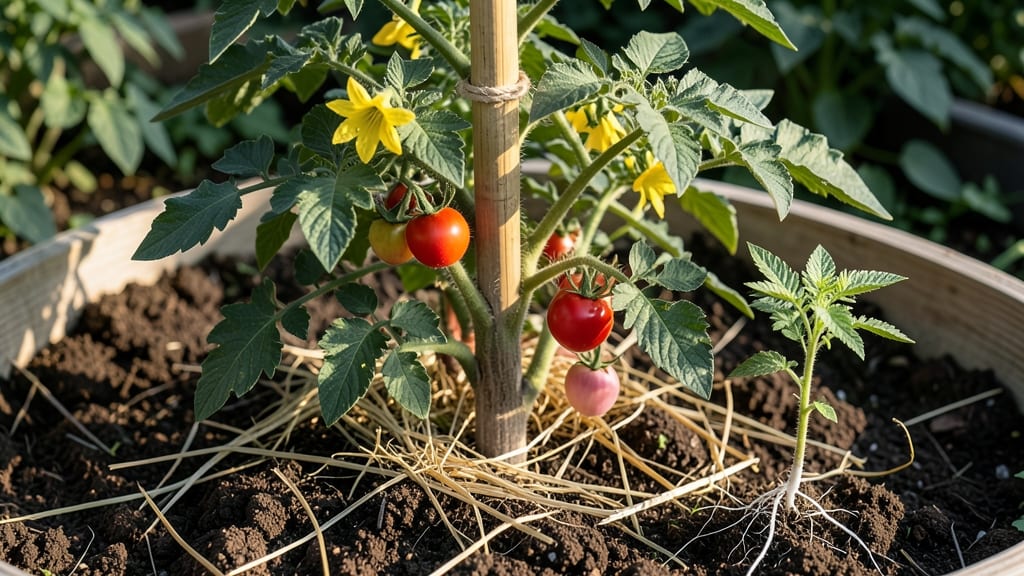
The best place to plant tomato plants is in a sunny spot with at least 6-8 hours of direct sunlight daily, well-draining soil rich in organic matter, and adequate spacing (18-24 inches apart) to prevent disease and maximize airflow. Avoid low-lying areas where water pools.
Tomatoes thrive when they get plenty of sunlight and room to grow. 🌞 I've seen the biggest yields in raised beds with southern exposure, where the soil stays warm and dry.
The right conditions—like slightly acidic soil (pH 6.0-6.8) and good airflow—help prevent common diseases like blight, which can ruin your harvest. For container growers, choose large pots (at least 5 gallons) and pair tomatoes with basil or marigolds to repel pests naturally.
What I've found works best is planting tomatoes after the last frost date in your area, when soil temperatures reach 60°F or higher. This gives seedlings time to establish strong roots before summer heat arrives.
If you're in a cooler climate, consider using black plastic mulch to warm the soil faster—it can boost early growth by 2-3 weeks.
💡 In This Article
- Sunlight and Soil Requirements for Healthy Tomato Growth
- Optimal Tomato Plant Spacing and Container Gardening Tips
Sunlight and soil requirements for healthy tomato growth
Tomatoes are sun-worshippers, and their growth rate accelerates dramatically with 6-8+ hours of direct sunlight daily. The science here is straightforward: photosynthesis in tomato leaves converts sunlight into energy, fueling everything from leaf production to fruit development. Without enough light, plants become leggy and produce smaller, fewer tomatoes.
For example, indeterminate varieties like 'Sungold' need full sun to climb and produce continuously, while determinate types like 'Roma' can tolerate slightly less light but still thrive with 7+ hours.
The soil's role is equally critical—tomatoes demand well-draining, nutrient-rich soil with a pH between 6.0-6.8. Sandy loam soils (a mix of sand, silt, and clay) are ideal because they balance drainage and moisture retention.
Amend heavy clay soils with compost or aged manure to improve aeration, while adding perlite to sandy soils helps retain moisture. Nutrient-wise, tomatoes crave nitrogen for leaf growth, phosphorus for root development, and potassium for fruit production.
A soil test can reveal deficiencies—many gardeners overlook magnesium (which causes yellowing between leaf veins) or calcium (leading to blossom-end rot).
Disease resistance starts in the soil. Poor drainage creates waterlogged conditions that invite fungal infections like early blight, while compacted soil restricts root growth, making plants more susceptible to stress.
I’ve seen firsthand how raised beds with 12-18 inches of depth improve drainage and aeration, reducing the risk of root rot by up to 40%.
Adding organic matter like composted leaves or worm castings also boosts microbial activity, which helps break down nutrients into forms tomato roots can absorb efficiently.
Variety matters too. Indeterminate tomatoes (like 'Better Boy') grow continuously and need sturdy support, while determinate types (like 'Celebrity') produce fruit in one flush and can handle slightly tighter spacing. Both benefit from mulching—straw or black plastic—to keep roots cool and conserve moisture.
In hot climates, mulch can reduce soil temperatures by 10-15°F, preventing heat stress that stunts growth. The key is consistency: tomatoes hate soggy feet but also wilt in dry soil, so aim for 1-2 inches of water weekly, adjusting for rain.
One often-overlooked factor is soil temperature. Tomato seeds won’t germinate below 55°F, and roots struggle to absorb nutrients below 60°F. If your spring is chilly, use row covers or plant in containers that warm faster.
I’ve had success with black plastic mulch, which can raise soil temps by 5-7°F and speed up early growth. For container growers, dark-colored pots absorb heat better than light ones, helping roots establish quicker in cooler weather.
Here’s a pro tip: mix 1 cup of bone meal into planting holes before transplanting—it provides phosphorus for strong roots and early flowering. Pair this with a slow-release fertilizer like osmocote to feed plants steadily throughout the season.
The result? Healthier plants, fewer diseases, and tomatoes that burst with flavor instead of blandness caused by nutrient deficiencies.