
Companion Plants
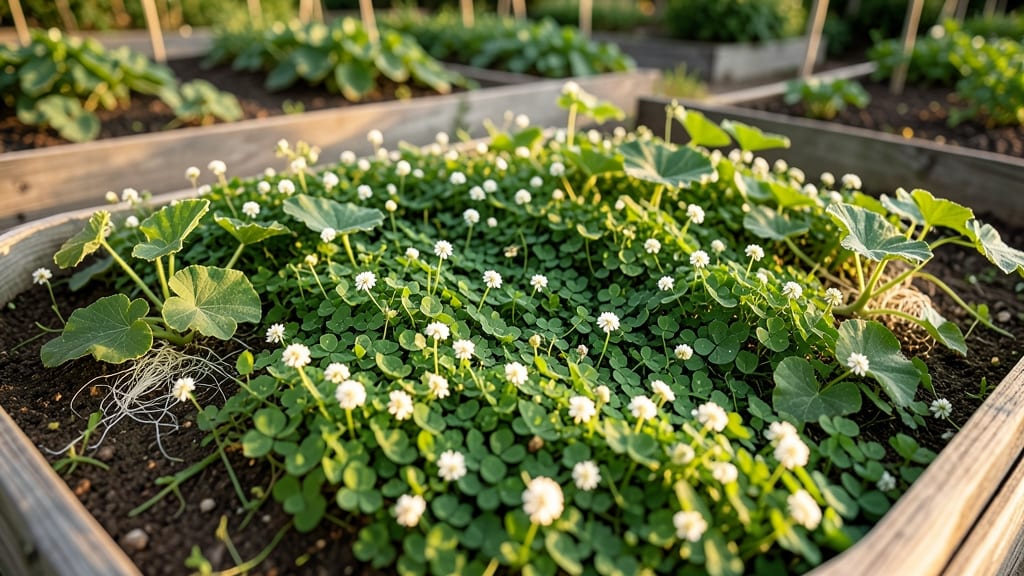
Want bigger cantaloupe harvests and healthier tomato plants? Strategic companion planting can boost yields, deter pests, and improve soil health—here are 10 science-backed pairings to maximize your garden’s potential.
Basil Plants Near Tomato Stems
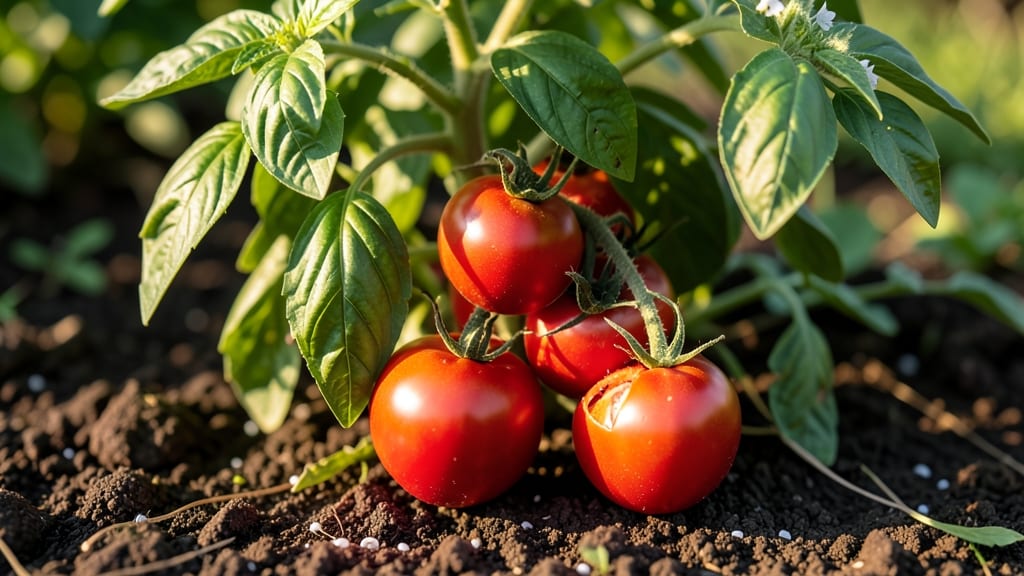
If your tomatoes are battling pests like whiteflies or thrips, tuck a few basil plants right at their stems for a double win. This classic pairing doesn’t just repel those pesky insects—it also intensifies tomato flavor, making your homegrown harvest taste like a gourmet grocery store find.
For best results, plant basil 3-4 weeks after your tomatoes (when seedlings are established) and keep them within 12-18 inches of the stems. In small spaces or containers, use compact basil varieties like 'Spicy Globe' to save room for sprawling cantaloupe vines nearby. The fragrant leaves act as a natural insect barrier while their shallow roots won’t compete with tomatoes.
Urban gardeners and container growers will love this combo—it’s the perfect way to maximize flavor and pest control without sacrificing space. 🌿
Marigolds Surrounding Cantaloupe Beds
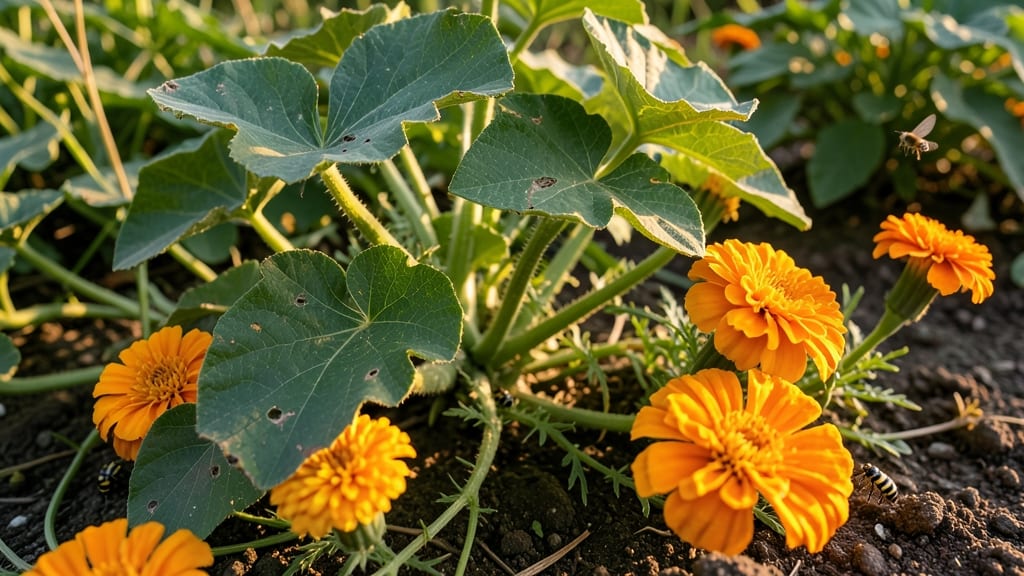
Tired of cucumber beetles munching on your cantaloupe leaves or nematodes weakening your vines? Marigolds are the secret weapon you’ve been missing. These cheerful flowers don’t just add color—they act as a natural shield against pests while inviting pollinators to boost fruit production.
Plant French marigolds (especially the tall varieties) around your cantaloupe beds in early spring, spacing them about 12-18 inches apart. Their scent confuses cucumber beetles and repels nematodes, which can devastate cantaloupe roots. Plus, their bright blooms attract bees and hoverflies, ensuring better pollination for sweeter, more abundant fruit.
This pairing is especially valuable for organic gardeners or those with limited space—marigolds thrive in full sun and improve soil health as they grow. 🌻
Onion Family Near Tomato Roots
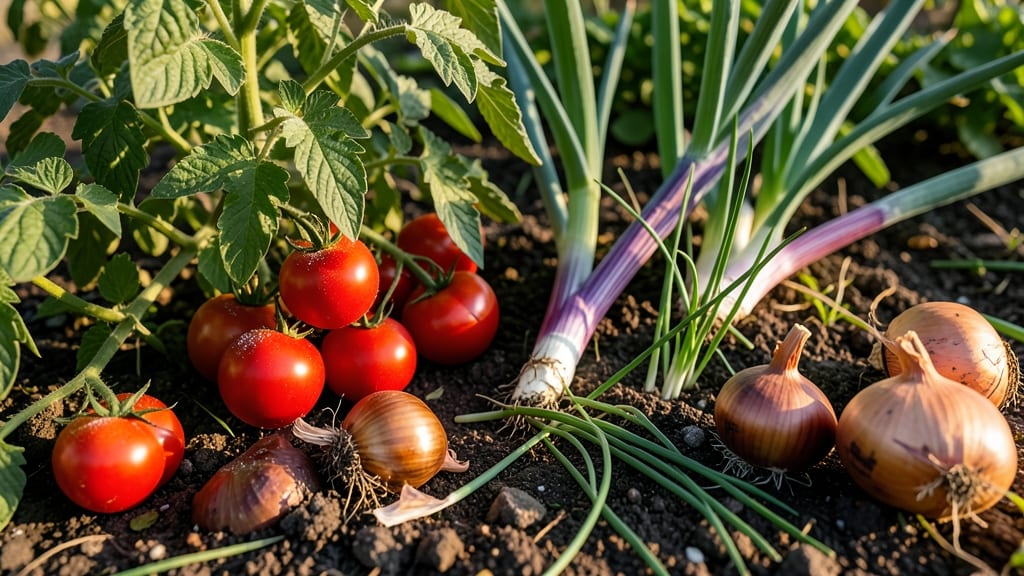
If your tomatoes are battling powdery mildew or early blight, the onion family is your secret weapon. Their pungent aroma confuses aphids and deters fungal spores before they take hold, giving your plants a fighting chance against common diseases.
Plant onions, garlic, chives, or leeks around tomato roots—just keep them 6-12 inches away to avoid competition. The sulfur compounds in their foliage create a natural barrier, while their shallow roots won’t disrupt tomatoes. This combo works especially well for blight-prone varieties like Roma or Beefsteak.
Gardeners with limited space or urban containers will love this pairing—it’s a low-maintenance way to boost tomato health without chemicals. Just remember: harvest onions before they bolt to avoid nutrient competition. 🌱
Nasturtium Trails Along Cantaloupe Vines
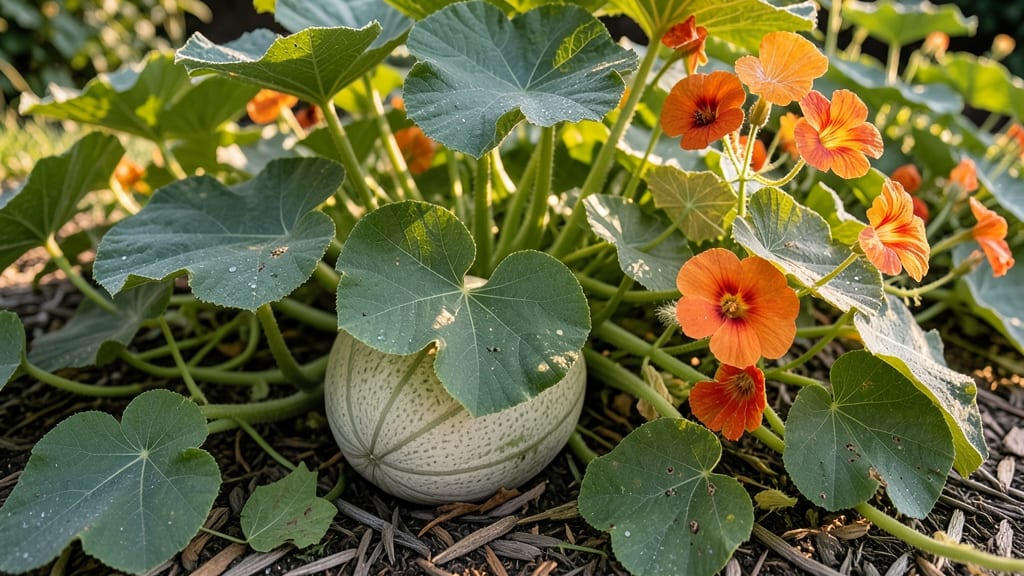
Looking for a dual-purpose plant that protects your cantaloupe while adding flavor to your kitchen? Nasturtiums are the secret weapon you’ve been missing. These vibrant climbers lure aphids and squash bugs away from your cantaloupe vines, acting as a natural trap crop while their peppery leaves double as a gourmet salad ingredient.
Plant nasturtium seeds directly alongside cantaloupe vines in early spring or late summer for a second harvest. Their trailing habit provides shade for cantaloupe seedlings and thrives in partial sun, making them low-maintenance allies. Harvest leaves as needed—young leaves are the most tender and flavorful, with a spicy kick similar to watercress.
This combo is perfect for gardeners who want to grow food and beauty without extra effort. Plus, the bright orange and yellow blooms attract pollinators, giving your cantaloupe an extra boost. 🌻
Garlic Cloves Interplanted With Tomatoes
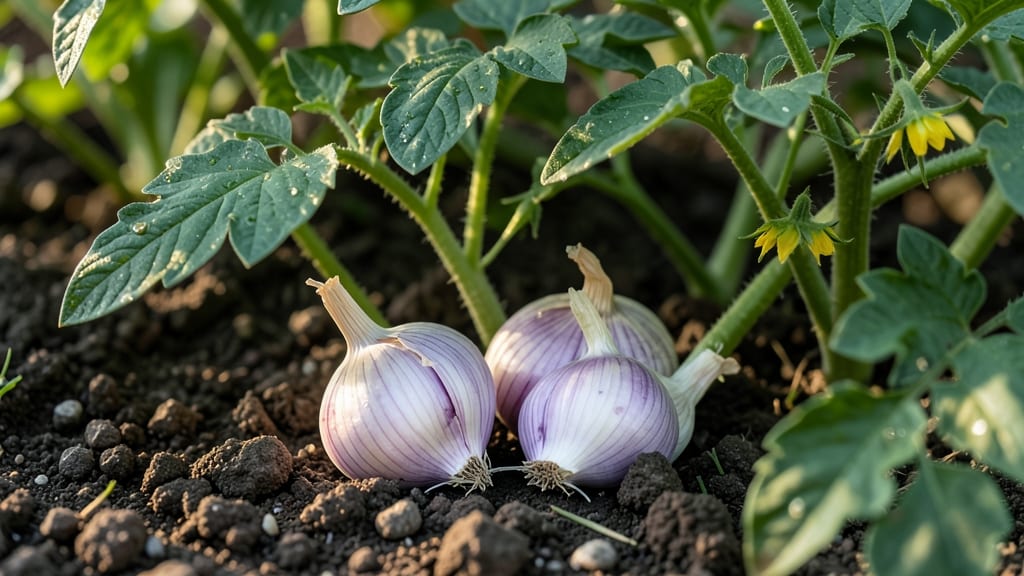
Tired of battling fungal diseases in your tomatoes without harsh chemicals? Garlic cloves planted directly among tomato seedlings act as a natural fungicide, suppressing soil-borne diseases like early blight and damping-off while repelling spider mites—a win for organic gardeners.
Simply tuck 3-4 garlic cloves between tomato plants at the same depth as your tomato seeds. The sulfur compounds released by the garlic create an invisible shield that deters pests and pathogens. This method works especially well in container gardens or raised beds where soil health is critical. Harvest your garlic after the tomato season to enjoy both benefits.
This low-maintenance technique is perfect for beginners and organic growers who want healthier plants without synthetic sprays. Your tomatoes will thrive—and so will your garlic harvest! 💚
Borage Flowers Near Cantaloupe Plants
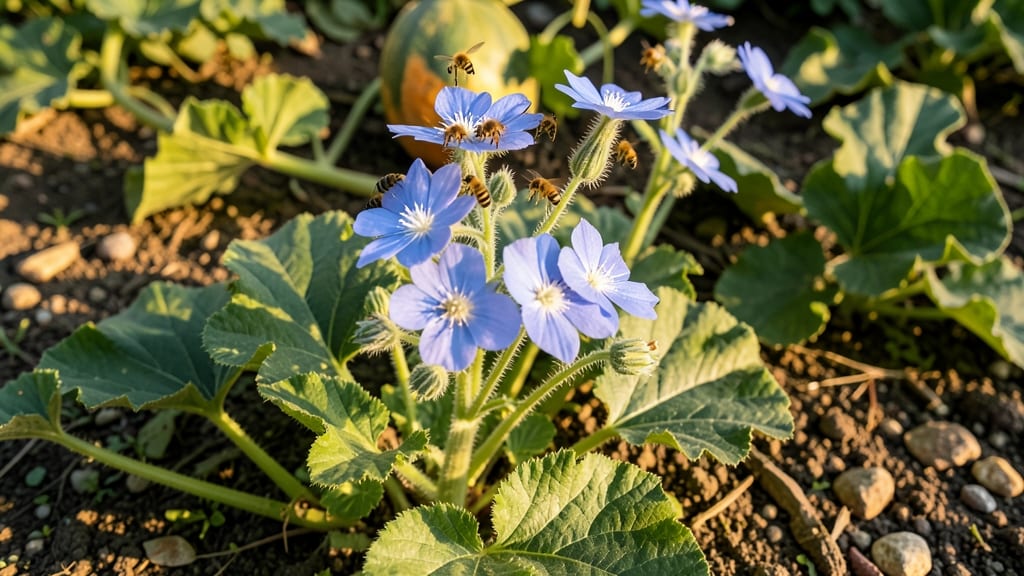
Looking for a dual-purpose plant that boosts cantaloupe yields and adds flavor to your kitchen? Borage is your secret weapon—a bee magnet with edible leaves that taste like cucumber. This hardy annual thrives in poor soil and blooms prolifically from spring until frost, making it a low-maintenance pollinator powerhouse.
Plant borage near cantaloupe vines to lure bees for better fruit set, while its star-shaped blue flowers deter pests like tomato hornworms. The cucumber-flavored leaves (young and tender) are perfect for salads or garnishes, giving you a free harvest. Space plants 12-18 inches apart and let them self-seed for next year’s garden—no fuss, just benefits.
This is the perfect choice for beginner gardeners or pollinator-friendly spaces where you want zero wasted effort. Your cantaloupe will thank you with sweeter, more abundant fruit! 🌻
Radish Plants As Tomato Guardians
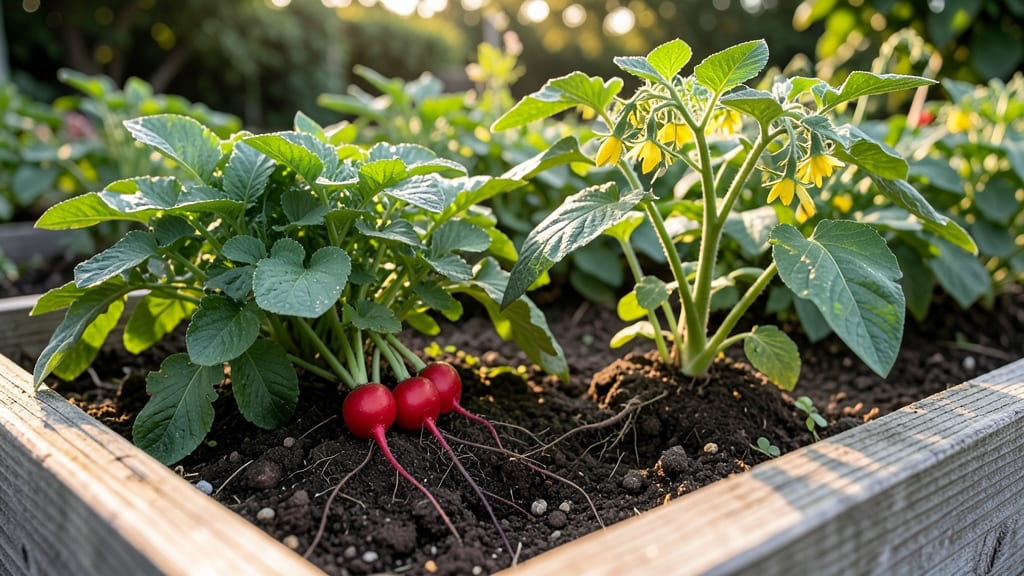
Small gardens don’t have to mean small harvests—radishes can be your tomatoes’ secret weapon. These fast-growing cover crops create a natural barrier against soil-borne pests like nematodes, while their deep roots loosen and compact the soil for better tomato root development.
Plant radish varieties like 'Cherry Belle' or 'Easter Egg' around tomato seedlings when they’re 2-3 inches tall. Their 3-4 week growth cycle means you can succession plant them every 2 weeks, keeping the soil healthy throughout the season. The dense foliage also shades the soil, reducing weeds and moisture loss.
This is especially useful for urban gardeners or those with limited space—radishes thrive in tight quarters and can be harvested before they flower, leaving their roots to decompose and enrich the soil. 🌱
Dill Stalk Amid Cantaloupe Rows
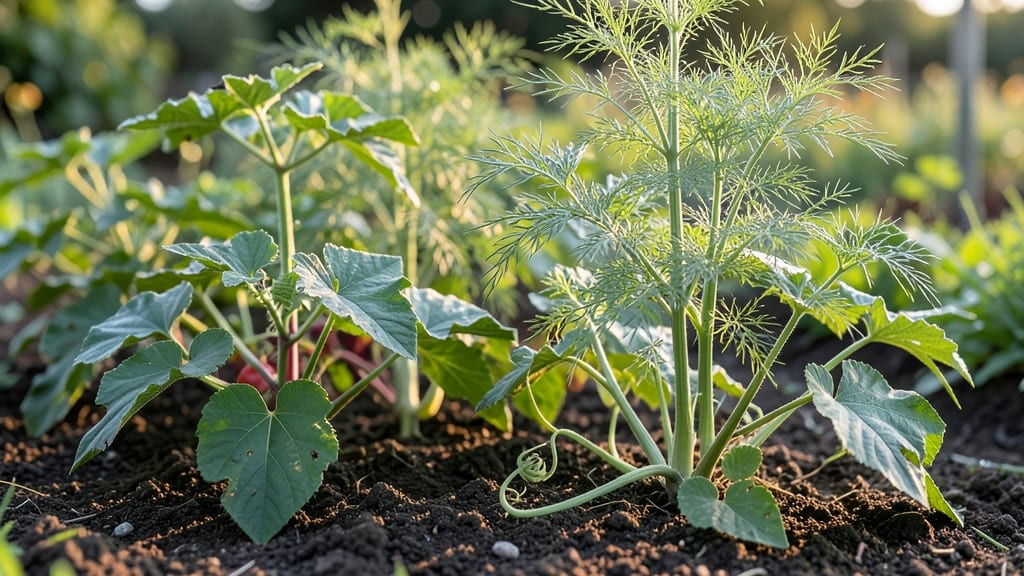
Struggling with tomato hornworms devouring your plants while cantaloupe seedlings struggle in hot sun? A dill stalk between your rows might be the answer. This fragrant herb acts as a natural pest magnet, luring beneficial wasps that hunt hornworms, while its airy foliage provides gentle shade for tender cantaloupe starts.
Plant dill at the edges of your cantaloupe rows or in raised beds, spacing it about 12-18 inches apart from cantaloupe vines. The feathery leaves create a microclimate that reduces heat stress on seedlings, while the wasps you attract will keep your tomatoes thriving. For best results, sow dill seeds 2-3 weeks before transplanting cantaloupe to ensure it's established when seedlings arrive.
This pairing is especially valuable for gardeners using raised beds or small spaces, as dill's vertical growth maximizes vertical space without competing for root room. Plus, you'll get fresh dill for cooking—double the benefits! 🌱
Chamomile Tea Soil Treatment
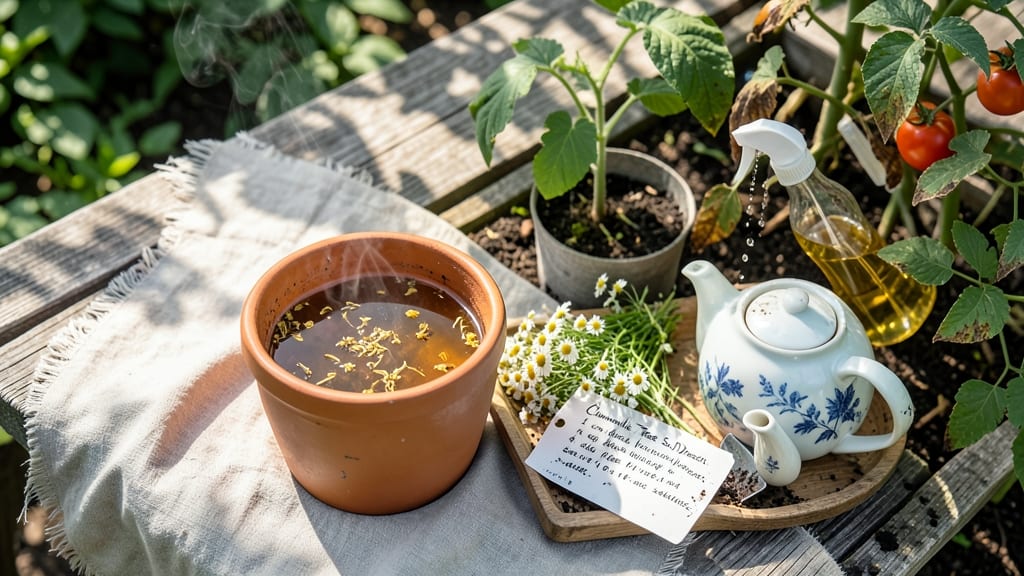
Struggling with damping-off in your cantaloupe seedlings or blight-prone tomatoes? A simple chamomile tea soil drench could be your secret weapon. This gentle, all-natural treatment harnesses the antifungal properties of chamomile to protect your plants without harsh chemicals.
Brew a strong cup of chamomile tea (use dried flowers, no sugar), let it cool, and pour it directly onto the soil around seedlings or tomato bases. The antifungal compounds in chamomile create a protective barrier, reducing fungal diseases by up to 50%. Apply every 2-3 weeks during damp conditions for best results—especially after transplanting.
This method is perfect for organic gardeners, container growers, and anyone looking to avoid synthetic fungicides. It’s also a great way to repurpose chamomile flowers from your garden! 💚
Clover Ground Cover Under Cantaloupe

Struggling with nutrient-poor soil or stubborn weeds in your cantaloupe patch? White clover turns both challenges into opportunities by fixing nitrogen while smothering weeds naturally. This low-maintenance ground cover thrives in partial sun and adapts to nearly any soil type, making it perfect for no-till gardens or neglected beds.
Clover’s shallow roots break up compacted soil as it grows, improving aeration and water retention for cantaloupe vines. Simply sow clover seeds in early spring before transplanting cantaloupe seedlings, then let it spread between rows. The nitrogen-rich soil it creates will give your melons a nutrient boost without synthetic fertilizers, while its dense mat blocks weeds from competing for resources.
This pairing is especially valuable for gardeners using organic methods or those with limited resources. By the time cantaloupe vines sprawl, the clover will have already enriched the soil for a more productive harvest. 💚