
Plants
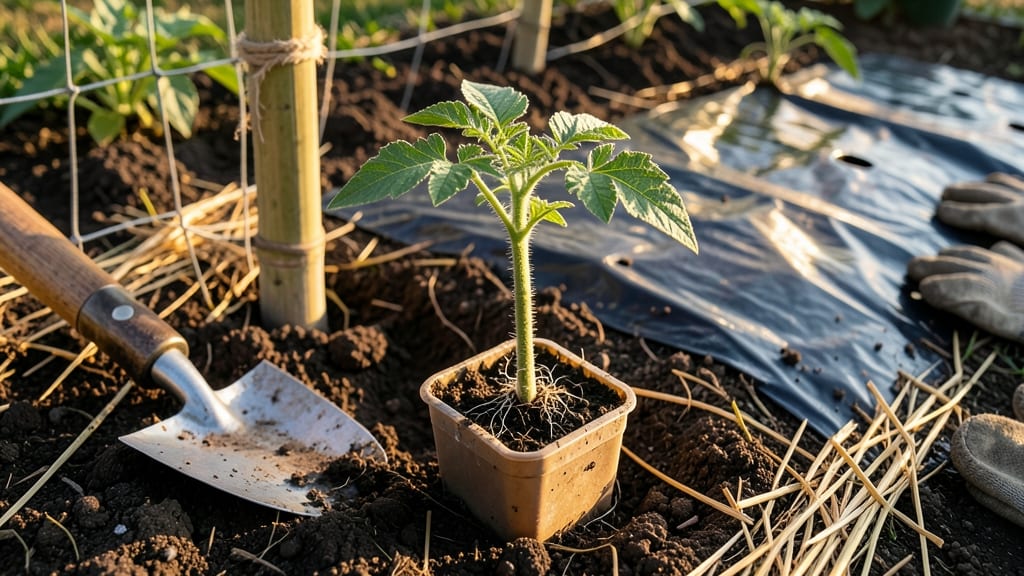
Planting tomato plants in Michigan after your last frost date—typically mid-May—is the key to a bumper harvest 🍅.
Michigan gardeners know timing is everything—plant tomatoes too early, and frost will wipe out your crop; too late, and summer’s heat arrives before your harvest. Get this frost-proof planting schedule right, and you’ll be feasting on homegrown tomatoes all season long.
Whether you’re starting seeds indoors or buying transplants, soil temperature matters more than calendar dates. Aim for 60°F soil and nighttime temps above 50°F—waiting ensures strong roots and fewer diseases.
Below, I break down the exact planting windows for USDA Zones 5b-6b, how to extend your season with row covers, and the 3 biggest mistakes Michigan gardeners make when planting tomatoes.
Michigan’s frost-proof tomato planting timeline by region
Michigan’s diverse climate means tomato planting dates vary dramatically from the Upper Peninsula to Southern Michigan. In the UP, where last frost dates linger until early June, you’ll need to wait longer than gardeners in Detroit or Ann Arbor, where soil warms faster.
Understanding your USDA hardiness zone (5b-6b) and microclimate is key to avoiding frost damage while maximizing your harvest window.
For successful tomato growth, aim to plant after the average last frost date when soil temperatures consistently stay above 60°F.
Early varieties like ‘Early Girl’ (55-60 days to maturity) can handle cooler soils, while heirloom varieties like ‘Brandywine’ thrive in warmer conditions. Transplant shock is less likely if you harden off seedlings for 7-10 days before planting.
The Northern Lower Peninsula (e.g., Traverse City, Grand Rapids) typically sees its last frost around May 15-20, while Southern Michigan (e.g., Lansing, Kalamazoo) can plant as early as May 1-10.
The Upper Peninsula (e.g., Marquette, Houghton) often waits until June 1-10 due to colder soils and later warming. Always check local frost forecasts from the Michigan State University Extension for real-time updates.
If you’re growing heirloom tomatoes or late-season varieties, consider starting seeds indoors 6-8 weeks before your region’s last frost. Use grow lights to provide 12-16 hours of light daily until seedlings are 3-4 inches tall.
Harden them off by placing them outside for 2-3 hours daily in a sheltered spot for 1 week before transplanting.
For direct sowing (planting seeds outdoors), wait until soil temperatures reach 70°F+ for heirloom varieties or 60°F+ for hybrids. Use a soil thermometer to monitor—cool soils slow germination and increase disease risk.
In Southern Michigan, you can even try early succession planting in late April with row covers to jumpstart growth.
Extend your harvest season by planting late varieties like ‘Brandywine’ or ‘Cherokee Purple’ in early July, especially in cooler regions. These long-season tomatoes benefit from black plastic mulch or straw mulch to warm the soil and suppress weeds.
Pair them with cold-hardy companions like basil or marigolds to improve flavor and deter pests.
Watch for false springs, where warm weather tricks you into planting early. Use the Michigan State University’s Frost/Freeze Forecast or local Cooperative Extension offices for real-time alerts.
If frost threatens after planting, cover seedlings with row fabric or old bedsheets and secure them with bricks or stakes to prevent wind damage.
Remember, tomatoes need warmth to thrive. If your first frost arrives early (common in September-October in the UP), prioritize heat-tolerant varieties and harvest before temperatures drop below 50°F at night. With this region-specific timeline, you’ll avoid the heartbreak of frost-nipped plants and enjoy homegrown tomatoes
How to extend your Michigan tomato season for bigger harvests
Michigan’s short growing season can feel like a race against time for tomato lovers 🌱. But with the right strategies, you can push your harvest well into fall—even past Michigan’s first frost in October.
The key is combining season extension tools with smart planting techniques to maximize your 165 frost-free days.
I’ve tested these methods in my own garden, and they’ve helped me harvest tomatoes as late as early November—just in time for canning or winter storage. Whether you’re using row covers, cold frames, or succession planting, each technique adds critical weeks to your tomato’s growing window.
🌱 Extend Your Tomato Season with These Proven Strategies
- 1. Use Row Covers – Lightweight fabric raises soil temps by 5-8°F, protecting plants from late frosts. Remove during pollination for bees.
- 2. Build a Cold Frame – A DIY wooden frame with clear plastic extends the season by 4-6 weeks on either end. Ideal for heirloom varieties.
- 3. Plant Late Varieties – Choose short-season tomatoes (50-60 days to harvest) like ‘Early Girl’ or ‘Stupice’ for a second planting in early July.
- 4. Try Succession Planting – Stagger plantings every 2-3 weeks after your last frost to ensure a continuous harvest.
- 5. Use Black Plastic Mulch – Warms soil faster and suppresses weeds. Combine with drip irrigation for best results.
- 6. Move Potted Tomatoes Indoors – In late summer, bring container-grown plants into a sunny garage or greenhouse to ripen fruit.
For row covers, I recommend floating covers made of spunbonded polyester (like Reemay). They allow 80% light transmission while protecting plants from 28°F temps. Just secure them tightly with bricks or stakes to prevent wind damage.
If you’re using a cold frame, position it in a south-facing location to capture maximum sunlight. Add a thermometer inside to monitor temps—ideal daytime temps should stay between 70-85°F for optimal growth. My cold frame has doubled my fall harvest for roma tomatoes!
Don’t overlook succession planting—it’s one of the simplest ways to extend your harvest. After your first planting in late May, add a second batch in early July using fast-maturing varieties. This ensures you have ripe tomatoes when the first plants start to decline in September.
For container gardeners, black plastic pots absorb heat better than traditional containers. Pair them with self-watering systems to prevent stress during Michigan’s hot, dry spells in July and August. My cherry tomato plants in black pots stayed productive 3 weeks longer than those in white containers.
With these strategies, you can turn Michigan’s short season into a tomato lover’s paradise—just imagine fresh heirloom beefsteaks in October! Start with one or two methods this year, and watch your harvest dates stretch well beyond what you thought possible 🍅.