Companion Plants
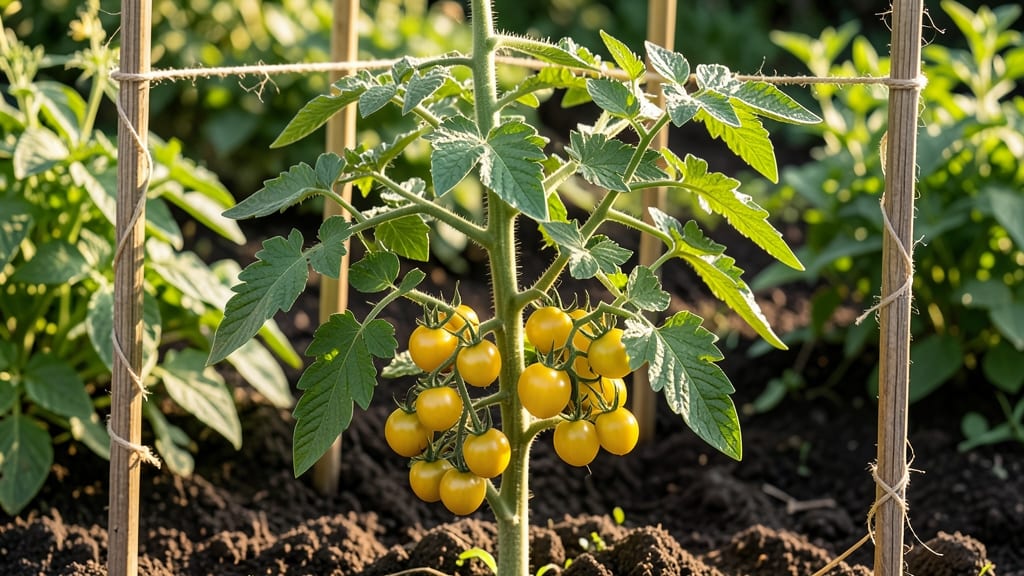
Golden cherry tomato plants turn small spaces into candy-filled vines. 🌱 Their compact growth habit means you can grow them in pots, hanging baskets, or even window boxes—no sprawling garden needed. These little powerhouses produce sweet, sunburst-colored tomatoes that burst with flavor, and they're perfect for container gardening.
The secret to their success? 5-gallon containers with well-draining soil, 6-8 hours of sunlight daily, and consistent watering that keeps the soil moist but not soggy.
I've grown them in everything from classic terracotta pots to recycled buckets, and they thrive as long as they get enough light and airflow. Prune regularly to encourage bushier growth and more fruit, and watch those clusters of golden jewels appear by mid-summer.
By late July, you'll be harvesting pint-sized tomatoes that taste like sunshine—sweet, juicy, and perfect for snacking straight off the vine. The plants keep producing until frost, giving you a steady supply all season long. They're also early producers, so you'll get your first tomatoes weeks before traditional varieties.
These tomatoes handle containers beautifully, making them ideal for balconies, patios, or even kitchen windowsills. The key is choosing the right variety—look for 'Tiny Tim,' 'Golden Sweet,' or 'Sun Gold' for the best compact performance.
With just a little care, you'll have a vine full of sweet surprises by summer's end.
📚 In This Guide
- What you need
- Instructions
- Tips and common mistakes
- Wrapping up and next steps
What you need
- ● Golden cherry tomato seeds or seedlings: Choose disease-resistant varieties like 'Tumbling Tom' or 'Sungold' for compact growth. Quantity: 1-3 plants per container (depending on size).
- ● Containers: 5-gallon pots or fabric grow bags (minimum 12" deep) with drainage holes. Quantity: 1 per plant or more for companion planting.
- ● High-quality potting mix: Lightweight, well-draining blend with compost (e.g., 60% potting soil, 30% perlite, 10% compost). Quantity: 1 bag (1-2 cubic feet) per container.
- ● Balanced fertilizer: Slow-release granules (10-10-10 or 5-5-5) or liquid fertilizer (e.g., fish emulsion). Quantity: 1 tbsp per plant (granular) or as directed (liquid).
- ● Tomato cages or stakes: 3-4 ft tall (for support). Quantity: 1 per plant.
- ● Drip irrigation or watering can: For consistent moisture without overwatering.
- ○ Mulch (optional but recommended): Straw or shredded leaves to retain moisture and suppress weeds.
- ● Gloves and pruning shears: For handling plants and trimming suckers.
- ● pH testing kit: To ensure soil pH is 6.0–6.8 (ideal for tomatoes).
- ○ Companion plants (optional): Basil, marigolds, or nasturtiums to deter pests and boost flavor.
- ● Shade cloth (for hot climates): 30–50% coverage to protect plants from scorching.
Step-by-step instructions for growing golden cherry tomatoes in containers
Here’s the foolproof method I’ve used to grow 4 lush golden cherry tomato plants bursting with sweetness—no sprawling vines, just compact vines packed with flavor.
🌱 Step 1: Choose the Right Container and Soil Mix
Golden cherry tomatoes thrive in 5-gallon containers with at least 12 inches of depth—deeper is better for root development. I use fabric grow bags because they allow roots to breathe while preventing soil compaction. Drill 4-6 drainage holes in the bottom if your container doesn’t have them; golden cherries hate soggy roots.
Fill each container with a sterile, well-draining potting mix—never garden soil. I blend 60% premium potting mix, 20% perlite, and 20% compost for aeration and nutrients. Moisten the mix until it’s evenly damp but not soggy, like a wrung-out sponge. Press it down lightly to remove air pockets, but don’t compact it—roots need room to explore.
☀️ Step 2: Plant Transplants at the Right Depth and Stake Early
Plant one golden cherry tomato transplant per container, burying it deeper than the original pot—up to the first set of true leaves. This encourages stronger root growth. I always trim the lower leaves (the ones below where the stem meets the soil) to reduce disease risk and improve airflow. Place a 6-foot bamboo stake or tomato cage in the center of each container immediately—golden cherries grow fast, and waiting means wrestling with leggy vines later.
Water deeply right after planting to settle the soil around the roots. You’ll see new growth within 7-10 days if conditions are right—watch for tiny, rounded leaves (the first true leaves) popping up. If your seedlings look wilted the next day, don’t panic; it’s normal as they adjust. Give them bright, indirect light for the first week to avoid sunburn on tender leaves.
💧 Step 3: Water and Feed for Maximum Sweetness
Golden cherry tomatoes need consistent moisture—water when the top 1-2 inches of soil feel dry. I use a self-watering system (a drip line on a timer) set to 10 minutes every other day in summer, but hand-watering at the base in the morning works just as well. Avoid wetting the leaves to prevent fungal diseases like early blight. You’ll know you’re nailing it when the soil stays evenly moist but never waterlogged—like a damp sponge.
Feed every 2 weeks with a balanced liquid fertilizer (10-10-10 or 5-5-5) diluted to half strength. I switch to a tomato-specific fertilizer (higher in phosphorus and potassium) once flowers appear to boost fruit production. You’ll see vibrant yellow blossoms within 4-6 weeks, and those flowers mean sweet, gold-orange cherries are on the way.
✂️ Step 4: Prune and Train for Compact Vines
Here’s the secret to controlling vine size while maximizing fruit: prune aggressively. Remove suckers (the tiny shoots that form in the leaf axils) weekly—they sap energy from fruit production. I also pinch off the first flower clusters until the plant has 4-5 main stems, which encourages stronger growth before fruiting. Once the plant is established, let it flower freely, but prune back any branches that grow beyond the container’s edges to keep it compact.
Train the main stems along the stake or cage, tying them loosely with soft twine every 5-7 days. Golden cherries don’t need heavy pruning like slicers, but removing lower leaves (the ones touching the soil) improves airflow and reduces disease. You’ll know you’re doing it right when the plant looks busy but controlled—not leggy or overcrowded.
🍅 Step 5: Harvest and Extend the Season
Golden cherry tomatoes ripen all at once, so check your plants every 2-3 days starting 60-70 days after transplanting. Harvest when they’re fully gold-orange and slightly soft to the touch—waiting too long makes them mealy. Pick in the morning when sugars are highest, and use scissors or pruning shears to avoid damaging the vine. You’ll get a steady harvest for 4-6 weeks if you keep up with pruning and feeding.
To extend the season, move containers to a sheltered spot (like a garage or under a porch) when nights dip below 50°F. Bring them back outside in the morning. I’ve kept golden cherries producing well into October this way—just watch for first frost warnings and act fast. And here’s the best part: the sweeter they get as the season progresses, so save some for late harvests!
Tips & tricks for perfect golden cherry tomato plants
Here's what nobody tells you about growing these sun-kissed beauties—these are the little details that make all the difference between decent plants and showstopping harvests.
Container Depth Matters: While the instructions call for 5-gallon containers with at least 12 inches of depth, I've found that adding 2-3 extra inches (up to 15 inches) gives roots more room to grow, especially if you're growing in hot climates. The deeper roots mean better drought resistance and more stable plants. I use fabric grow bags because they allow roots to breathe while preventing compaction—this is a game-changer for root health.
Soil Mix Secrets: The 60% premium potting mix, 20% perlite, 20% compost blend works wonders, but here's my upgrade: I add 1 tablespoon of worm castings to each container before planting. Worm castings are packed with beneficial microbes that help roots absorb nutrients more efficiently. This isn't just about feeding the plants—it's about creating a thriving ecosystem in your containers.
Pruning Like a Pro: When the instructions say to remove suckers weekly, I take it a step further by pruning in the morning when the plants are turgid (full of water). This makes the stems easier to handle and reduces stress on the plant. I also use sterilized pruning shears (dipped in rubbing alcohol) to prevent disease transmission between plants. The key is to always prune just above a leaf node—this encourages new growth in the right direction.
Fertilizer Timing: The instructions recommend switching to tomato-specific fertilizer once flowers appear, but I've found that adding 1/4 teaspoon of Epsom salt to each container's watering can at the first sign of blossoms gives an extra magnesium boost. This helps prevent blossom end rot and ensures those vibrant yellow flowers develop into sweet, plump cherries. The 10-minute watering every other day schedule works perfectly, but I adjust to 15 minutes when temperatures exceed 90°F to keep the soil consistently moist.
Pro Tips for Golden Cherry Tomato Plants
- Here's what nobody tells you about growing these sun-kissed beauties—these are the little details that make all the d...
- Container Depth Matters: While the instructions call for 5-gallon containers with at least 12 inches of depth, I've f...
- Soil Mix Secrets: The 60% premium potting mix, 20% perlite, 20% compost blend works wonders, but here's my upgrade: I...
Frequently asked questions
Got questions about growing golden cherry tomato plants? You’re not alone! Here are answers to the most common queries—from planting tips to troubleshooting—so you can enjoy sweet, sun-kissed tomatoes all season long.
How long does it take for golden cherry tomato plants to produce fruit?
With proper care, you can expect golden cherry tomatoes to start producing fruit 60–70 days after transplanting (or 80–90 days from seed). Early varieties may yield sooner, especially in warm climates. Patience pays off—once they begin, the harvest is rapid and abundant!
Can I grow golden cherry tomatoes in containers year-round?
While they thrive in containers, golden cherry tomatoes are warm-season plants and need temperatures above 50°F (10°C) to grow. In cooler climates, grow them as annuals (spring to fall). For year-round harvests in mild zones, use greenhouses or season extenders.
What are the best companion plants for golden cherry tomatoes?
Pair them with basil, marigolds, oregano, or lettuce to deter pests and boost growth. Avoid planting near fennel or brussels sprouts, as they compete for nutrients. A companion planting chart can help maximize your container garden’s efficiency!
Why are my golden cherry tomato leaves turning yellow?
Yellow leaves often signal overwatering, nutrient deficiency (like nitrogen), or fungal issues. Check soil moisture—golden cherry tomatoes prefer well-draining soil. If spots appear, treat with neem oil or adjust watering. Prune affected leaves to redirect energy to fruit production.
Are golden cherry tomatoes sweeter than regular cherry tomatoes?
Their higher sugar content (thanks to the golden gene) makes them 30–50% sweeter than red varieties. The flavor profile is tropical, honey-like, and less acidic, perfect for snacking or gourmet dishes. Try them in caprese salads or as a sweet glaze!
Wrapping up and next steps
Growing golden cherry tomato plants in containers is a rewarding way to enjoy sweet, sun-kissed tomatoes without taking up garden space. Their compact vines and vibrant fruit make them perfect for balconies, patios, or small yards—plus, they pair beautifully with herbs and other companion plants!
Whether you’re a seasoned gardener or just starting, these cheerful plants deliver big flavor in small packages.
Ready to dive in? Grab your supplies, pick a sunny spot, and let these golden gems brighten your harvest. Happy planting—your taste buds will thank you! 🌱✨