
Vegetables
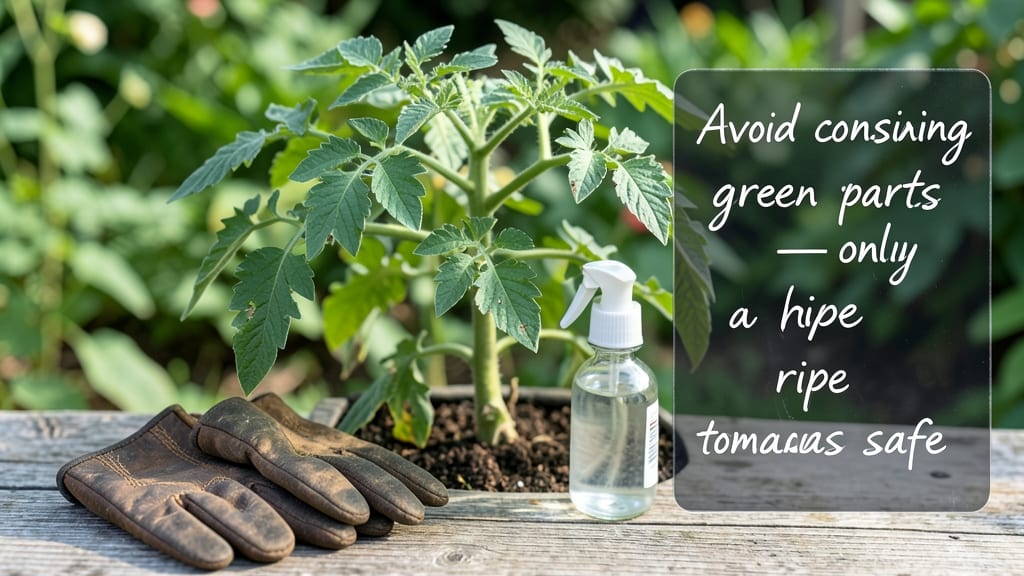
Tomato leaves are poisonous to humans and pets, containing solanine and other toxic alkaloids that can cause nausea, vomiting, or neurological symptoms if ingested in large amounts. Cooking does not neutralize the toxins, so avoid consuming any green parts of the tomato plant.
Tomato plants produce natural toxins called glycoalkaloids, primarily solanine and tomatine, which concentrate in the leaves and stems. 🌿 These compounds act as a defense mechanism against pests and diseases, but they can trigger digestive upset in humans and pets even in small doses.
The USDA confirms that while occasional exposure is unlikely to cause severe harm, repeated or large-scale ingestion may lead to more serious symptoms like dizziness or weakness. Even cooking won't break down these toxins, so it's safest to treat all green parts as non-edible.
What's interesting is that the toxicity varies by plant part—the ripe fruit contains trace amounts that are harmless, but the leaves and stems can be 5-10 times more concentrated.
This is why gardeners should always compost or dispose of pruned leaves properly, especially in households with curious pets or young children. For those growing tomatoes, wearing gloves during pruning adds an extra layer of protection.
💡 In This Article
- Toxic Compounds in Tomato Leaves and Their Effects
- Safe Gardening Practices to Avoid Tomato Plant Toxicity
Toxic compounds in tomato leaves and their effects
The primary culprits in tomato leaves are solanine and tomatine, two glycoalkaloids that act as natural pesticides. Solanine levels can reach 0.02-0.05% by weight in green parts, while ripe fruit contains only trace amounts (0.001%).
These compounds disrupt nerve cell function by binding to acetylcholine receptors, similar to how some neurotoxins work. 🌱 The body absorbs them quickly, which is why symptoms often appear within 6-12 hours of ingestion.
Acute poisoning typically requires consuming 100-200g of green leaves (about 1-2 cups) for noticeable effects, though sensitivity varies. Early symptoms include nausea, vomiting, diarrhea, and abdominal pain—your body's way of trying to expel the toxins.
In severe cases (eating 500g+ of leaves), neurological effects like confusion, hallucinations, or even paralysis can occur, as these compounds cross the blood-brain barrier. 🚨 Pets are more vulnerable due to their smaller size; even 5-10g of leaves can cause toxicity in a 10-pound dog.
Chronic exposure is less studied but may contribute to digestive issues or liver strain over time. The good news? These toxins don't accumulate in the body—they're metabolized and excreted relatively quickly. However, cooking (boiling, frying, or baking) doesn't reduce their potency, as glycoalkaloids are heat-stable.
This is why traditional remedies or recipes claiming to "detoxify" tomato leaves through cooking are dangerously misleading. The only safe approach is complete avoidance of green parts.
Interestingly, tomato plants produce more solanine when stressed—by pests, disease, or even excessive sunlight. A leaf exposed to direct midday sun may contain 2-3 times more toxins than one grown in partial shade.
This is nature's way of protecting the plant, but it means home gardeners should be extra cautious with summer-grown leaves. 🌞 The same principle applies to green tomatoes: their solanine levels drop significantly as they ripen, but unripe fruit can still pose risks.
For comparison, potato leaves contain even higher solanine levels (0.05-0.1%), which is why they're more commonly associated with poisoning cases. Tomato leaves fall into a "gray area"—mildly toxic but rarely fatal unless consumed in large quantities repeatedly.
The key takeaway? Treat them like you would nightshade berries: admire their beauty but keep them far from your plate.