Plants
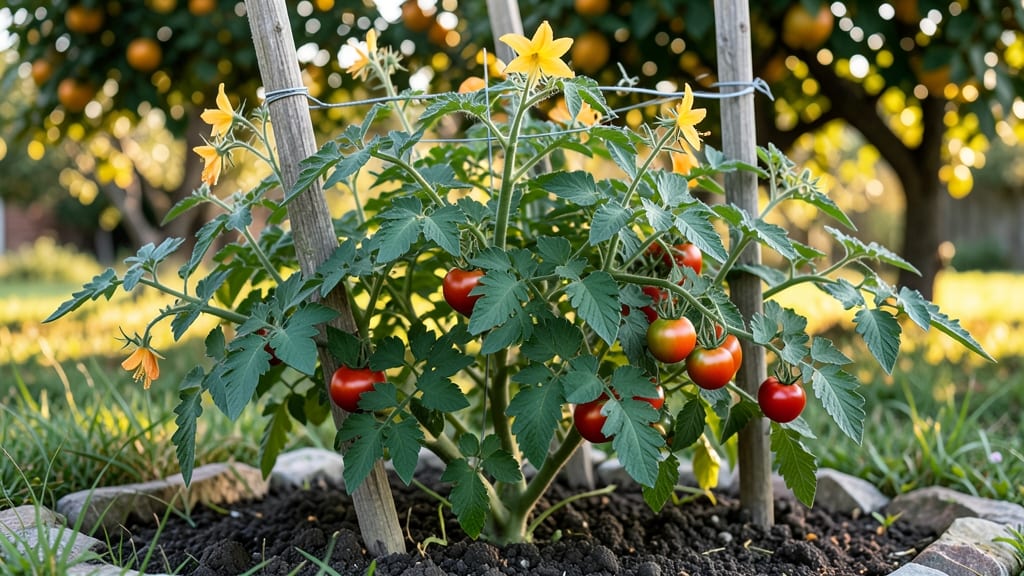
Do tomato plants like full sun? Absolutely—they thrive with 6 to 8+ hours of direct sunlight daily to produce the sweet, flavorful fruit you’re craving.
If your tomato plants aren’t producing the juicy, plentiful harvest you expected, their light exposure could be the culprit—tomatoes are famously sun-hungry, but not all gardeners know exactly how much light they truly need for optimal fruit development.
Too little sun leads to weak stems, sparse leaves, and underdeveloped fruit, while too much can cause sunburn. The key is finding the right balance—whether you’re planting in raised beds, containers, or your backyard garden.
Below, I’ll break down exactly how much sun tomato plants need, how to position them for maximum growth, and what to watch for if they’re not getting enough light.

How much full sun do tomato plants need for peak growth?
Tomatoes are sun worshippers, and their love for light directly impacts fruit production. While most gardeners know tomatoes need full sun, the exact amount—and how to measure it—often gets overlooked.
Without proper sunlight, your plants may grow tall and leggy but produce few, if any, tomatoes. Understanding the photosynthesis process helps explain why sunlight is non-negotiable for these plants.
Sunlight triggers chlorophyll production, which converts energy into sugars that fuel fruit development. When tomato plants receive 6-8+ hours of direct sunlight daily, they thrive, producing robust vines and heavy yields.
However, not all garden spots offer equal sun exposure. Dappled shade or afternoon shadows can trick you into thinking your plants are getting enough light—when they’re actually starving for energy.
Determinate varieties (like Roma or Bush Early Girl) tolerate slightly less light—around 6-7 hours daily—but still perform best with 8+ hours. Indeterminate varieties (such as Cherry Tomatoes or Beefsteak), which grow continuously, demand 8+ hours of full sun to support their endless vine growth and fruit load. Skimping on sunlight for these varieties often results in weak stems and poor fruit set.
Measuring sunlight in your garden isn’t just about guessing—it’s about tracking daily exposure.
Use a sunlight tracker or observe your garden from 6 AM to 8 PM. Note when shadows from trees, fences, or buildings block light. Morning sun is gentler, while afternoon sun (especially in summer) can be intense.
If your garden only gets 4-5 hours of direct light, tomatoes will struggle, leading to leggy stems and poor fruit development.
One common mistake is assuming partial shade is acceptable. While some shade in hot climates (like afternoon shade) can help, prolonged shade—especially in morning hours—reduces photosynthesis. For example, a tomato plant in dappled shade from a nearby tree may grow leaves but produce tiny, underdeveloped tomatoes.
To test your garden’s sunlight, place a white board in potential spots and mark shadows every hour. If shadows cover the board for more than 2-3 hours daily, relocate your tomatoes.
In container gardening, sunlight needs are even more critical because pots can’t shift to follow the sun. Place containers on south-facing patios or rooftop gardens where they receive uninterrupted sunlight.
If your balcony only gets 4-5 hours of sun, choose determinate varieties and supplement with a grow light for 2-3 hours daily. Even LED grow lights can help bridge the gap when natural light is insufficient.
Another factor is seasonal sun shifts. In spring and fall, the sun arcs lower in the sky, reducing effective sunlight hours. Tomatoes planted in early spring may need supplemental light until temperatures rise. Conversely, summer solstice offers the longest daylight hours—ideal for tomato growth.
If you notice blossom drop (flowers falling off without setting fruit), it’s often a sign of inconsistent sunlight or temperature fluctuations, both of which stress the plant.
For urban gardeners with limited space, prioritize south-facing walls or vertical gardening to maximize sunlight. If your only option is a north-facing window, consider a sunny windowsill with a reflective surface (like aluminum foil) beneath the pot to bounce extra light onto the plant.
Even small adjustments, like rotating containers throughout the day, can help ensure all sides of the plant get equal exposure.
Finally, remember that tomato leaves are your early warning system. Healthy leaves should be deep green and upright. If they’re yellowing or curling, it’s a sign of light deprivation. Conversely, sunburned leaves (white or brown patches) mean too much direct sun, especially in
Signs your tomato plants aren’t getting enough sun (and how to fix it)
Tomatoes are sun-worshippers, and when they don’t get enough light, they’ll send you clear distress signals. The most obvious sign is pale, yellowing leaves—especially on the lower stems—because the plant stretches toward any available light.
You might also notice weak, spindly stems that struggle to support fruit, or small, underdeveloped tomatoes that never ripen properly. Even if your plants look healthy, poor fruiting is a red flag that they’re not getting the 6-8+ hours of full sun they crave daily.
Another clue is leggy growth, where the distance between leaves grows unusually long as the plant reaches for light. This makes them more prone to disease and pests because the stems can’t support foliage properly.
If you’re seeing fewer flowers or blossoms dropping before setting fruit, that’s often a sign of insufficient light too. Even in containers, tomatoes will lean toward the brightest side, which can cause uneven growth and poor yields.
Do Tomato Plants Like Full Sun?
- Max fruit production (6-8+ hours/day)
- Faster ripening of tomatoes
- Stronger stems for support
- Higher disease resistance
- Sunburn risk (white/yellow patches)
- Blossom drop in extreme heat
- Soil drying too quickly
- Overheating containers
If you suspect your tomatoes aren’t getting enough light, start by moving them to a sunnier spot immediately. In gardens, this might mean pruning nearby trees or shrubs that cast shade, especially in the late afternoon when sun is strongest.
For container growers, rotate pots weekly so all sides get equal light exposure—tomatoes will grow toward the sun, and uneven light causes lopsided plants. You can also place reflective surfaces like white gravel or mirrors near containers to bounce extra light onto the plants.
For indoor growers, a south-facing window is ideal, but if that’s not an option, supplement with grow lights (12-16 hours/day) positioned 6-12 inches above the plants. LED grow lights with a red and blue spectrum mimic sunlight best.
Avoid placing tomatoes near west-facing windows, where afternoon sun can overheat leaves and cause sunburn, especially in summer.
Even with these fixes, overwatering stressed plants can worsen light deficiency symptoms. When tomatoes don’t get enough sun, they can’t photosynthesize efficiently, so they rely on stored energy. This means watering deeply but less frequently (every 2-3 days) and avoiding wet foliage to prevent fungal issues like blight.
If your tomatoes are already leggy, prune the lower leaves to improve air circulation and redirect energy to fruit production.
Remember, tomatoes won’t tolerate partial shade for long-term growth. If you’re in a shady spot, consider dwarf varieties like 'Tiny Tim' or 'Patio Princess,' which can handle 4-6 hours of sun but still produce fruit—just smaller yields.
For most gardeners, though, full sun is non-negotiable if you want juicy, vine-ripened tomatoes all season long.