
Plants
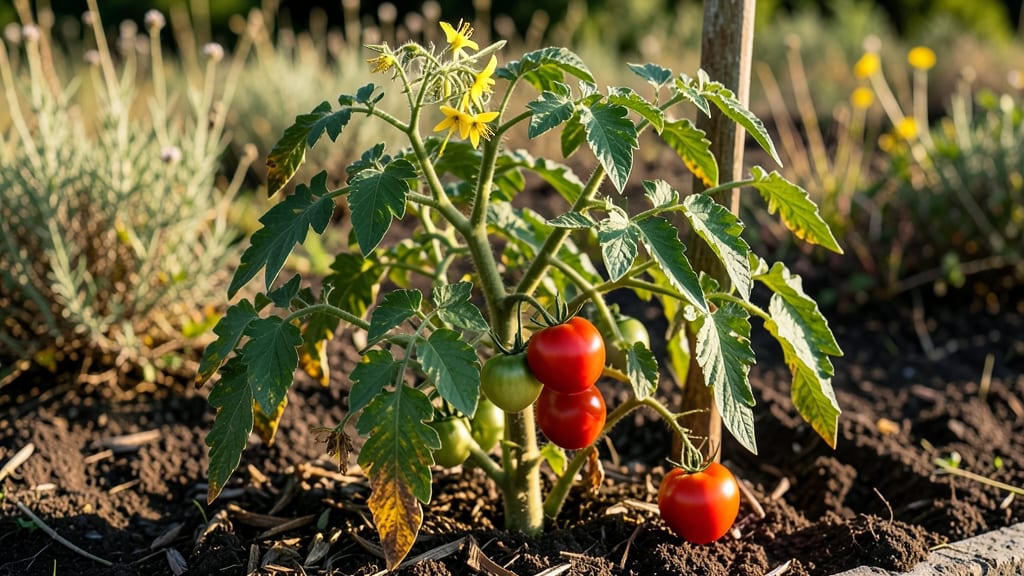
Tomato plant leaves are poisonous to humans and pets because they contain solanine and tomatine alkaloids, which can trigger nausea, vomiting, or stomach upset if eaten in large quantities. While cooking reduces their toxicity, consuming raw leaves is always unsafe.
These toxic compounds are actually the plant's natural defense mechanism against pests and disease. 🌱 Unlike the fruit, which becomes safe to eat when fully ripe, tomato leaves maintain their toxicity throughout the plant's life cycle.
The good news? Most accidental exposures cause only mild symptoms, but pets—especially dogs—are far more sensitive and should never be allowed near tomato foliage.
If you're growing tomatoes at home, I recommend wearing gloves when handling leaves and washing your hands thoroughly afterward. Composting tomato leaves is also tricky—since they don't break down like fruit scraps, they should go in the trash instead.
For gardeners with pets, keeping tomato plants in elevated containers or fenced areas adds an extra layer of safety.
💡 In This Article
- Toxicity in Tomato Leaves: Solanine and Tomatine Breakdown
- Safe Handling of Tomato Leaves: Gardening and Kitchen Precautions
Toxicity in tomato leaves: solanine and tomatine breakdown
The toxicity in tomato leaves stems from two key chemical compounds: solanine and tomatine, both belonging to the glycoalkaloid family. These compounds act as natural pesticides, deterring insects and fungi from damaging the plant.
Solanine concentrations in tomato leaves typically range from 0.1% to 0.5% of the leaf's dry weight, while tomatine can reach even higher levels—up to 1% or more in some varieties.
For comparison, a single medium tomato leaf (about 5 grams) could contain 5-25 milligrams of these alkaloids, a dose that might trigger mild symptoms in humans.
What makes these compounds dangerous is their ability to disrupt cellular processes in mammals.
Once ingested, solanine and tomatine interfere with acetylcholine receptors in the nervous system, leading to symptoms like nausea, dizziness, or even hallucinations in severe cases. 🌿 The body processes these alkaloids primarily in the liver, where enzymes break them down into less harmful byproducts.
However, pets—especially dogs—lack the same metabolic efficiency as humans, making them far more vulnerable to the same quantities. A 20-gram ingestion (roughly four medium leaves) could cause noticeable symptoms in a small dog.
The difference between toxic leaves and edible fruit lies in the plant's developmental priorities. While leaves prioritize producing solanine and tomatine for defense, the fruit shifts its energy toward sugars and acids as it ripens.
A green, unripe tomato still contains some alkaloids (about 5-10 milligrams per 100 grams), but ripe red tomatoes have negligible levels—typically under 1 milligram per 100 grams. This is why peeling tomatoes and discarding the stems/calyx (where most alkaloids concentrate) is a common safety practice in cooking.
Cooking does reduce toxicity, but not entirely. Heat breaks down some glycoalkaloids, but prolonged exposure to stomach acids can actually regenerate portions of these compounds. For example, boiling tomato leaves for 10 minutes might reduce solanine levels by 30-50%, but it's still unsafe to consume.
The key takeaway? Never eat tomato leaves raw, and even cooked preparations should be avoided unless you're certain they've been thoroughly processed and rinsed.
Interestingly, some traditional cuisines—like Italian—do use tomato leaves in cooking, but only after extensive preparation. These leaves are typically blanched, dried, and used in small quantities as a flavoring agent, not as a primary ingredient.
The practice relies on the assumption that prolonged cooking neutralizes most of the toxins, though scientific studies on this are limited. Always err on the side of caution with any plant part that isn't traditionally considered edible.
For gardeners, understanding these compounds helps explain why tomato plants sometimes develop green shoulders on ripe fruit—the plant is essentially "leaking" defensive chemicals into the fruit when stressed.
This is another visual cue that the plant is prioritizing protection over fruit development, making those areas even less safe to consume. 💫