
Vegetables
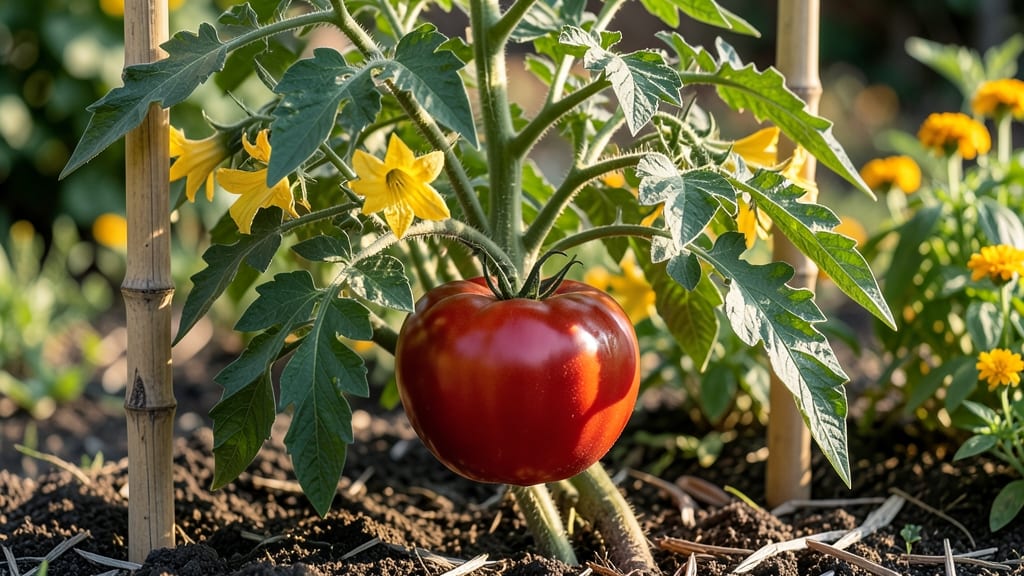
Calling all tomato lovers—the beef tomato name Brandywine is just one of the meaty stars of any garden. 🌿 From the deep pink Brandywine to the rich purple Cherokee Purple, these tomatoes aren’t just big—they’re packed with flavor and texture that turns every slice into a juicy masterpiece.
You’ll love how these sun-loving giants thrive in home gardens, producing pound-per-plant yields that make canning and slicing worth every effort. Some, like Mortgage Lifter, even earned their names by outproducing commercial varieties, while others like Brandywine deliver old-fashioned sweetness that rivals heirloom claims.
The secret to their success? Full sun, sturdy cages, and consistent watering—no fancy tricks required. You’ll harvest tomatoes so large they need two hands, with flesh so thick it holds up to grilling, slicing, or sauces without turning to mush.
Perfect for gardeners who want showstopping results without sacrificing flavor. Let’s get growing!
📚 In This Guide
- What you need
- Instructions
- Tips and common mistakes
- Wrapping up and next steps
What you need
- ● Beefsteak tomato seeds or seedlings: Choose heirloom or hybrid varieties like 'Brandywine,' 'Cherokee Purple,' or 'Big Beef.' (1-2 plants per person is ideal for fresh eating.)
- ● Containers or garden bed: Containers: 5-gallon pots or larger (at least 12-18" deep) with drainage holes.
- ● Garden bed: Full sun (6+ hours/day), well-draining soil with a pH of 6.0-6.8.
- ● High-quality potting mix: 1 bag (2-3 cubic feet) of organic, peat-free mix with compost.
- ● Fertilizer: Balanced 10-10-10 or 5-5-5 granular fertilizer (1 lb per plant).
- ○ Optional: Slow-release tomato fertilizer or composted manure (5 lbs per bed).
- ● Tomato cages or stakes: 6-8 ft tall (2-3 per plant for support).
- ● Mulch: Straw, grass clippings, or shredded leaves (2-3 inches thick).
- ● Watering can or hose with soaker nozzle: For deep, consistent hydration.
- ● Gloves & trowel: For planting and soil prep.
- ● Pruning shears: To trim suckers and shape plants.
- ○ pH test kit: To check soil acidity (optional but helpful).
- ● Sunlight tracker: Ensure your spot gets full sun (use a plant light meter if needed).
- ○ Companion plants (optional): Basil, marigolds, or onions to deter pests.
- ● Avoid planting near brassicas (e.g., cabbage).
Step-by-step guide to growing beefsteak tomatoes
Here's how I grow these sun-loving giants—plump, flavorful, and ready to feed a crowd.
🌱 Step 1: Select the Right Variety and Planting Time
Choose a beefsteak variety like 'Brandywine,' 'Cherokee Purple,' or 'Big Beef'—these produce 8-16 ounce fruits with rich, meaty texture. Plant seeds indoors 6-8 weeks before your last frost date, or purchase sturdy transplants from a nursery 2-3 weeks before transplanting outdoors. Beefsteaks need warmth to thrive, so avoid early planting—they won’t tolerate cold soil.
I always check my local frost date and count backward. For me in Zone 7, that means starting seeds in early March. If you’re in a cooler climate, consider using a heat mat to keep soil temperatures above 65°F during germination. The key is patience: beefsteaks grow slowly at first but reward you with massive yields.
☀️ Step 2: Prepare Full-Sun Planting Sites
Beefsteak tomatoes demand full sun—6-8 hours daily—and rich, well-draining soil. Amend your garden bed with 2-3 inches of compost mixed into the top 12 inches of soil. These plants are heavy feeders, so I add a 5-10-10 fertilizer at planting time to give them a nutrient boost right away.
If your soil is clay-heavy, mix in 1 part perlite or coarse sand to improve drainage. Beefsteaks hate soggy roots, which can lead to blossom end rot. Test your soil’s pH—aim for 6.0-6.8. If it’s too acidic, add lime; if too alkaline, work in sulfur. The right soil prep makes all the difference in fruit size and flavor.
🪴 Step 3: Transplant with Care and Support
Transplant seedlings outdoors after all danger of frost has passed and soil is at least 60°F. Bury them deeper than the root ball—up to the first set of true leaves—since buried stems encourage stronger root growth. Space plants 24-36 inches apart in rows 3-4 feet apart to allow airflow and reduce disease risk.
Install sturdy cages or stakes at planting time—beefsteaks can reach 6-8 feet tall and need support. I use 5-foot bamboo stakes driven 12 inches deep for each plant. Avoid flimsy wire cages; they bend under the weight of heavy fruit. Mulch with 2-3 inches of straw to retain moisture and suppress weeds. Water deeply at transplanting to help roots establish.
💧 Step 4: Water and Feed for Maximum Yield
Beefsteaks need consistent moisture—1-1.5 inches per week—but avoid wetting the leaves to prevent fungal diseases. Water deeply at the base early in the morning so foliage dries quickly. Let the top 1-2 inches of soil dry out between waterings to encourage deep root growth.
Fertilize every 2-3 weeks with a balanced liquid fertilizer (like 10-10-10) or a tomato-specific feed. I switch to a low-nitrogen, high-phosphorus formula (like 5-10-10) when flowers appear to promote fruit set. Prune suckers—those little shoots in the leaf axils—to direct energy to fruit production. Remove any leaves touching the soil to improve airflow and reduce disease.
✂️ Step 5: Prune and Harvest for Peak Flavor
Prune regularly to improve airflow and fruit quality. Remove suckers (the shoots between the main stem and branches) and lower leaves that touch the soil. Leave 2-3 main stems for indeterminate varieties to maximize yield. Pinch back the growing tip after the first flower cluster if your plants are getting too leggy.
Harvest beefsteaks when they’re fully colored and slightly soft to the touch—usually 70-85 days after transplanting, depending on the variety. Cut stems with pruners to avoid damaging the plant. These tomatoes are best picked firm but ripe; they won’t ripen further off the vine. Store them at room temperature until fully red, then refrigerate for up to 2 weeks. The flavor? Worth every minute of care.
Tips & tricks for growing perfect beefsteak tomatoes
Real talk: beefsteaks demand patience and precision—but these tricks will help you turn those massive yields into reality.
Variety Matters: When selecting seeds or transplants, prioritize disease-resistant varieties like 'Brandywine' or 'Cherokee Purple'—they're bred to handle common tomato diseases while still producing those 8-16 ounce fruits. I've learned the hard way that cheaper, non-heirloom varieties often sacrifice flavor and size for quantity. Look for seed packets labeled "VFN" (virus, fungus, nematode resistant) for the best balance of productivity and disease resistance.
Soil Temperature Secret: The 65°F soil temperature threshold during germination is non-negotiable for beefsteaks. I use a soil thermometer to verify temperatures before planting seeds, especially in cooler climates. For transplants, wait until soil reaches at least 60°F—cold soil shocks delicate roots and stunts growth. Pro tip: Black plastic mulch warms soil faster than bare ground, giving you a head start in chilly regions.
Support System Strategy: Those 6-8 foot plants need serious support. I've tried everything from flimsy wire cages to heavy-duty tomato towers, but my current favorite is a combination of 5-foot bamboo stakes driven 12 inches deep with a spiral tie system. This setup handles the weight of heavy fruit while allowing for proper airflow. Install supports at planting time—waiting until plants are established makes the process much harder.
Pruning Precision: The 2-3 main stems recommendation isn't arbitrary—it's about balancing yield and airflow. I prune suckers (those little shoots in leaf axils) regularly but leave the first few suckers near the base to create additional stems. This creates a bushier plant that supports more fruit without sacrificing airflow. Always prune with clean, sharp shears to prevent disease transmission between cuts.
Pro Tips for Beef Tomato Name
- Real talk: beefsteaks demand patience and precision—but these tricks will help you turn those massive yields into rea...
- Variety Matters: When selecting seeds or transplants, prioritize disease-resistant varieties like 'Brandywine' or 'Ch...
- Soil Temperature Secret: The 65°F soil temperature threshold during germination is non-negotiable for beefsteaks. I u...
Frequently asked questions
Got questions about growing beefsteak tomatoes? You’re not alone—these sun-loving giants are a gardener’s dream but come with a few quirks! Below, we’ve tackled the most common queries to help you grow the juiciest, sweetest beefsteak tomatoes like a pro.
What’s the best time to plant beefsteak tomato seeds indoors vs. outdoors?
Start seeds indoors 6–8 weeks before your last frost date (typically February–March in most climates). Transplant seedlings outdoors after soil warms to 50°F+ and nighttime temps stay above 55°F—usually late April to early June. Cold soil or chilly nights can stunt growth, so wait for warmth!
Why are my beefsteak tomato plants wilting even though they’re well-watered?
Wilting in beefsteak tomatoes often signals overwatering, root rot, or heat stress. Check for:
- Mushy stems (root rot—reduce watering and improve drainage).
- Drooping leaves that crisp in the afternoon (heat stress—provide afternoon shade or mulch).
- Dry soil at the roots (paradoxically, thirsty plants may wilt despite surface moisture—water deeply at the base).
Can I grow beefsteak tomatoes in containers, and what’s the ideal pot size?
Beefsteaks thrive in containers but need space to sprawl. Opt for pots at least 18–24 inches deep and wide, with drainage holes. Use a lightweight potting mix (avoid garden soil) and support vines with a cage or trellis. Just ensure the container gets 6+ hours of sun daily—these tomatoes are sun-hungry!
What’s a good beefsteak tomato alternative if I want smaller, earlier fruit?
If beefsteaks feel too high-maintenance, try these heirloom or hybrid alternatives for big flavor with less fuss:
- Brandywine – Classic heirloom with sweet, meaty slices (slightly smaller than beefsteaks).
- Cherokee Purple – Rich, smoky flavor and sturdy vines (great for sauces too!).
- Celebrity or Early Girl hybrids – Faster-maturing (60–70 days) with reliable yields.
All three handle heat better than beefsteaks and are disease-resistant in many varieties.
How do I prevent cracking in beefsteak tomatoes?
Cracked tomatoes are heartbreaking—but often preventable! The culprit? Inconsistent watering. Here’s how to fix it:
- Water deeply 1–2 times per week (aim for 1–1.5 inches of water), focusing on the soil, not leaves.
- Mulch heavily (straw or wood chips) to keep moisture steady.
- Avoid overhead watering (especially in the heat) to prevent rapid expansion.
- Harvest promptly when tomatoes are 75% ripe—they’ll ripen off the vine!
Bonus: Calcium deficiencies can also cause cracks—add crushed eggshells or a calcium supplement if needed.
Wrapping up and next steps
Growing beefsteak tomatoes is a rewarding journey that brings big flavors to your plate—and your heart! 🌱 These sun-loving giants thrive with the right care, whether you’re a seasoned gardener or just starting out.
Remember, patience and consistency are key: from staking those vines to savoring the first ripe slice, every step is part of the fun.
Now that you’re armed with tips and tricks, it’s time to get your hands dirty! Start small—plant a few seeds or seedlings this season—and watch your garden transform into a juicy, sweet masterpiece. Happy growing, and may your harvest be bountiful! 🍅✨
Next step: Mark your calendar for planting day and gather your supplies—your beefsteak tomatoes are waiting for their big break!