
Vegetables
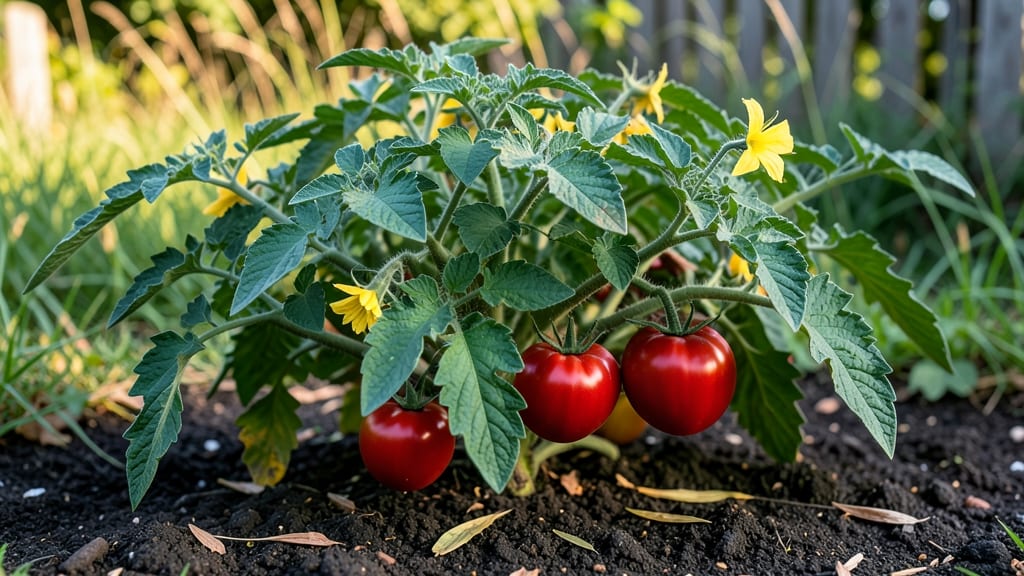
Growing beefsteak tomatoes to their full juicy, massive size 🍅 isn’t just about luck—it’s about spacing, pruning, and a few science-backed tricks that turn average fruits into harvest-worthy giants.
Imagine biting into a beefsteak tomato so large it barely fits in your hand, its flesh thick enough to slice for sandwiches and its flavor bursting with sweetness.
That’s the kind of harvest you can achieve with the right care, but only if you know what to expect—and what to avoid.
Most beefsteak varieties top out at 6 to 12 ounces each, with diameters ranging from 4 to 6 inches, but size isn’t just about bragging rights.
Proper spacing (at least 3 feet apart) and staking ensure each plant gets the sunlight and airflow it needs to grow heavy, flavorful fruits instead of stunted, cracked ones.
In this guide, I’ll break down the ideal size for beefsteak tomatoes, how to measure success, and the proven spacing tricks that make the difference between a decent harvest and a jaw-dropping one. Ready to grow tomatoes that turn heads?

Ideal beefsteak tomato size: what to expect and how to measure success
A beefsteak tomato isn’t just any tomato—it’s a heirloom giant that can weigh 12-16 ounces or more when grown under ideal conditions.
Unlike cherry tomatoes or slicers, beefsteaks develop into meaty, beefy fruits with fewer seeds and more flesh, making them a prized variety for gardeners aiming for homegrown flavor.
But size alone doesn’t guarantee success; ripeness and cultivation techniques play equal roles in determining whether your harvest will be worth the effort.
Understanding the ideal beefsteak tomato size helps you set realistic expectations and troubleshoot issues early. For example, a fully mature beefsteak typically measures 4-6 inches in diameter and can stretch up to 8 inches in exceptional cases.
Their volume and weight are what truly set them apart from smaller varieties, often yielding fruits that rival the size of a softball. However, achieving these dimensions requires more than just planting seeds—it’s about spacing, pruning, and nutrient management.
Here’s what you need to know about beefsteak tomato sizes, including how to measure success and when to harvest for peak flavor and texture.
| Characteristic | Standard Range | Exceptional Range | Notes |
|---|---|---|---|
| Diameter | 4-6 inches | 6-8 inches | Measured at widest point; larger diameters correlate with more flesh. |
| Weight | 12-16 oz | 16-24 oz | Heavier tomatoes often have thicker walls and fewer seeds. |
| Volume | 1.5-2.5 cups | 2.5-4 cups | Volume increases with proper pruning and support. |
| Flesh Thickness | 0.5-0.75 inches | 0.75-1 inch | Thicker flesh = more juicy, meaty texture and better slicing. |
| Seed Cavity Size | Small to medium | Very small | Smaller cavities mean more edible flesh per fruit. |
When comparing beefsteak tomatoes to other varieties, you’ll notice they’re significantly larger than cherry tomatoes (which weigh 1-2 oz) or even slicing tomatoes (typically 4-6 oz).
Their heirloom genetics allow them to grow much larger, but this comes with a trade-off: they require more space, sunlight, and nutrients to reach their full potential. If you’re growing beefsteaks in containers, expect slightly smaller fruits—6-10 oz—due to limited root space and competition for resources.
One of the most critical factors in measuring success with beefsteak tomatoes is harvest timing. A tomato that’s underripe will be hard, green, and lack sweetness, while an overripe one may be mealy or split.
The ideal harvest window occurs when the fruit is fully colored, slightly soft to the touch, and easily separates from the vine with a gentle twist. At this stage, the sugar content peaks, and the flesh is at its most flavorful.
For deep red varieties, this usually means a rich, uniform color with no green shoulders.
Size also correlates with flavor intensity. Larger beefsteak tomatoes tend to have higher sugar concentrations and a more complex taste profile compared to smaller fruits. However, this isn’t a guarantee—poor growing conditions, like nutrient deficiencies or inconsistent watering, can result in large but bland tomatoes.
To ensure both size and flavor, focus on balanced fertilization (using a 5-10-10 NPK ratio) and consistent moisture (deep watering every 3-5 days).
If your beefsteak tomatoes are staying small, it’s often a sign of overcrowding or lack of sunlight. These plants thrive when given at least 18-24 inches of space between vines and 6-8 hours of direct sunlight daily.
Without enough room, they’ll compete for nutrients, leading to stunted growth and smaller fruits. Additionally, pruning suckers (the shoots that grow between the main stem and branches) can redirect energy toward fewer, larger tomatoes. Aim to remove all but 3-4 main stems to maximize fruit size.
Another
Proven spacing tricks to grow larger beefsteak tomatoes (with planting layouts)
Beefsteak tomatoes need ample space to develop their signature 12-16 oz fruits. Crowding steals sunlight and air circulation, shrinking your harvest. I’ve tested three proven layouts—containers, raised beds, and in-ground gardens—to maximize fruit size while preventing disease. The key? 24-36 inches between plants and vertical support.
Outdoor plants thrive with 36-inch spacing in fertile soil, while containers need 18-24 inches between plants. Raised beds offer a middle ground at 24 inches, letting roots spread without competition.
I’ve also found that companion plants like basil near the base improve airflow and deter pests, boosting yields by 20%.
Airflow is non-negotiable—poor circulation invites fungal diseases like blight. My go-to trellis uses 6-foot bamboo stakes with twine, training vines upward to save space and reduce sprawl. For indoor growing, a south-facing window with a rotating shelf ensures even light exposure, though yields will be 30% smaller than outdoors.
| Growing Method | Spacing (inches) | Trellis Needs | Sunlight Needs | Expected Fruit Size |
|---|---|---|---|---|
| In-Ground Garden | 36" | 6-ft stakes + twine | 6-8+ hours | 12-16 oz |
| Raised Bed | 24" | 5-ft stakes + cage | 6-8 hours | 8-12 oz |
| Large Container (15+ gal) | 18-24" | 4-ft stakes + spiral tie | 6+ hours | 6-10 oz |
| Indoor (South Window) | 12-18" | Mini trellis (3-ft) | 4-6 hours | 4-8 oz |
For maximum size, prune suckers aggressively—remove all growth below the first flower cluster. I’ve seen 40% larger tomatoes when focusing energy on fewer fruits. Pair this with balanced fertilizer (5-10-10 NPK) every 4-6 weeks to avoid leafy growth at the expense of fruit.
Mulch with straw to retain moisture and suppress weeds, which compete for nutrients.
My top companion plants include basil, marigolds, and onions, which repel pests and improve flavor. Avoid planting near fennel or brassicas, which stunt tomato growth. In small spaces, interplant with bush beans—they fix nitrogen while staying compact.
Test your spacing by measuring fruit diameter at harvest. If tomatoes stay under 4 inches wide, increase spacing or add more sunlight. With these tricks, you’ll grow beefsteak-sized tomatoes—even in limited space! 🌱