
Companion Plants
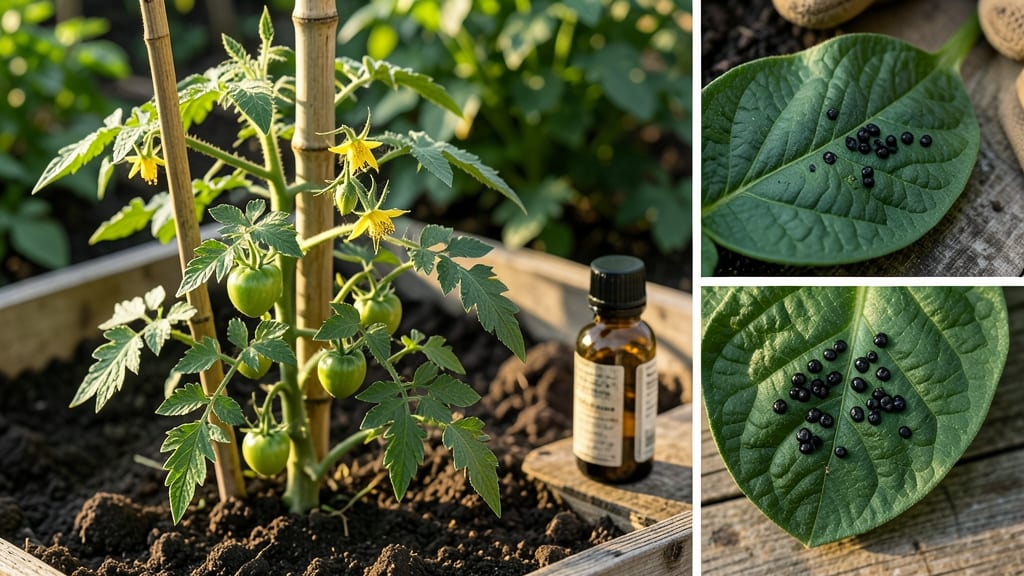
Those tiny black dots on your tomato leaves aren’t just unsightly—they’re a warning sign your plants are fighting fungal spot. 🌱 I’ve battled this exact problem three summers in a row, and these simple steps saved my harvest every time.
The key is acting fast before the spots spread to fruit. Most gardeners assume it’s just cosmetic, but early blight (the usual culprit) can slash yields by 50% if ignored. The black dots start as pinpricks on lower leaves, then multiply like confetti in wet weather.
I learned the hard way that waiting until they reach the stems means it’s too late for a quick fix. With just three targeted treatments—copper fungicide, pruning, and mulch—you’ll see new growth free of spots within 10-14 days. The secret?
Removing infected leaves immediately (yes, even the ugly ones) and keeping foliage dry. Your plants will bounce back stronger than before. This works for both garden beds and containers, and the same principles stop the problem next season too. Let’s turn those dots into a thing of the past—permanently.
Root Causes Of Tiny Dark Spots
Black dots on tomato leaves—or even on the fruit itself—can feel like a mystery, but they’re almost always the work of tiny, unseen invaders or environmental stressors. Understanding why these spots appear is the first step to stopping them before they spread.
Below, we break down the most common culprits, from fungal foes to physical damage, with clear explanations of how they attack your plants.
Fungi are the #1 reason for black dots on tomato plants, and they thrive in damp, warm conditions. These microscopic organisms don’t just ruin leaves—they can weaken your entire plant if left unchecked.
🔬 Early Blight (Alternaria solani)
This fungal disease starts with tiny, black or dark brown spots with concentric rings on older leaves. Over time, the spots expand, turn yellow around the edges, and may develop grayish centers. Early blight loves humidity and poor air circulation, often spreading from soil splashes onto leaves.
- How it spreads: Infected plant debris, wind, or water splashing from the soil.
- Why it’s dangerous: It can defoliate plants, reducing fruit yield and inviting secondary infections.
- Tell-tale sign: Look for spots on the lower leaves first—a classic early blight pattern.
🍅 Late Blight (Phytophthora infestans)
Though more common in potatoes, late blight can devastate tomatoes too. Unlike early blight, its spots are dark, greasy-looking, and often appear on both leaves and fruit.
In humid conditions, the spots develop a white, fuzzy mold (the fungus’s spore-producing structures). Late blight spreads rapidly and can kill plants in weeks.
- How it spreads: Wind, rain, or contaminated tools; thrives in temps between 60–77°F (15–25°C).
- Why it’s dangerous: It can rot fruit while still on the vine, making harvests unusable.
- Tell-tale sign: Spots on upper leaves and stems—unlike early blight, which starts at the bottom.
🌱 Powdery Mildew (Less Common but Possible)
While powdery mildew usually causes white, powdery patches, severe infections can lead to blackened, crinkled leaves as the fungus kills tissue. It’s less aggressive on tomatoes than on squash or cucumbers but can still stress plants.
- How it spreads: Poor air flow, high humidity, and crowded plants.
- Why it’s dangerous: Weakens plants, making them susceptible to other diseases.
Not all black dots are fungal. Some are the result of insects feeding on your plants, leaving behind specks of waste, frass (insect droppings), or even physical scars.
🐜 Aphids & Spider Mites
These sap-sucking pests leave behind tiny black specks (their excrement) on leaves and stems. Heavy infestations cause leaves to yellow, curl, or develop a stippled, dotted appearance.
- How to spot them: Check the undersides of leaves for clusters of tiny insects or fine webbing (in the case of spider mites).
- Why it’s dangerous: They weaken plants and spread viral diseases.
🐛 Fruitworms & Hornworms
While these caterpillars chew holes in leaves and fruit, their frass (droppings) can look like tiny black dots scattered around their feeding sites. Look for irregular holes with black specks nearby.
- How to spot them: Hunt for green, striped caterpillars (hornworms) or brown, hairy larvae (fruitworms) during daylight.
- Why it’s dangerous: Direct damage to fruit and leaves reduces yield and invites rot.
Sometimes, black dots aren’t caused by pathogens or pests at all. Environmental factors or physical damage can create similar symptoms.
🌧️ Water Splatter & Soil Borne Debris
If your irrigation system splashes soil or compost onto leaves, the organic matter can dry into tiny black specks. Similarly, overhead watering can spread fungal spores, creating dark spots where water droplets land.
- How to prevent it: Use drip irrigation or water at the base of plants.
- Why it matters: Wet foliage = fungal paradise.
🪨 Hail, Wind, or Mechanical Damage
Storms, strong winds, or even rough handling during pruning can create tiny blackened scars on leaves. These spots are usually irregularly shaped and lack the rings or mold of fungal infections.
- How to tell: Look for physical tears or bruises on leaves.
- Why it’s less dangerous: The plant can often recover, but damaged tissue is more prone to infection.
🔥 Sunscald or Heat Stress
In extreme heat, tomato leaves can develop blackened or browned edges or spots due to sunscald. This happens when leaves are exposed to too much direct sunlight without adequate hydration.
- How to spot it: Spots appear on sun-exposed leaves, often with a papery or crispy texture.
- How to fix it: Provide afternoon shade (use shade cloth) and ensure consistent watering.
Now that you know why those black dots appear, the next step is identifying the exact cause and treating it effectively. Most issues respond well to preventative care—so stay tuned for our 3-step cure guide!
Quick Fixes for Tomato Plant Spots
Once you’ve identified the culprit behind those pesky black dots on your tomato plants, it’s time to roll up your sleeves and get to work! The good news? Most of these issues are manageable with the right approach—whether you’re dealing with fungal infections, environmental stress, or pests.
Below, we’ll break down practical, step-by-step solutions tailored to each cause, plus prevention tips to keep your plants thriving long-term.
If your tomatoes are battling early blight, late blight, or alternaria, act fast to prevent spread.
🔥 Step 1: Prune Infected Leaves
- 👨🍳 Use sterilized pruners (wipe with rubbing alcohol) to snip off yellow or spotted leaves, especially near the soil.
- 🗑️ Dispose of them in the trash (not compost)—fungal spores can linger and reinfect.
- ⏰ Do this in the morning so leaves dry quickly, reducing humidity (fungi love moisture!).
🍳 Step 2: Apply Organic Fungicides
Mix one of these DIY sprays and apply to both sides of leaves (especially undersides, where spores hide):
- 💡 Copper fungicide spray (1 tsp copper sulfate + 1 gallon water) – Reapply every 7–10 days.
- 🌡️ Baking soda solution (1 tbsp baking soda + 1 tsp dish soap + 1 gallon water) – Safe and gentle!
- ✨ Neem oil spray (2 tbsp neem oil + 1 tsp soap + 1 quart water) – Also deters pests.
🥘 Step 3: Improve Airflow & Soil Health
- 🌬️ Space plants 18–24 inches apart (crowding = fungal paradise).
- 💧 Water early in the day (avoid overhead sprinkling) and mulch to keep soil dry.
- 🌱 Add compost or well-rotted manure to boost plant resilience.
💡 Prevention Tip: Rotate crops yearly—never plant tomatoes or potatoes in the same spot two years in a row.
If aphids, spider mites, or thrips are the black-dot culprits, here’s how to evict them.
🔪 Step 1: Blast Them Off
- 💦 Spray plants with a strong stream of water (dislodges pests and eggs).
- 🧼 Wipe leaves with a soapy cloth (1 tsp mild soap in water).
🕷️ Step 2: Introduce Natural Predators
- 🐞 Ladybugs (eat aphids) – Buy them online or attract them with dill or marigolds.
- 🕸️ Spiders (control mites) – Avoid pesticides; they’re your allies!
🎯 Step 3: Use Barriers & Traps
- 🍅 Yellow sticky traps – Hang near plants to catch flying pests.
- 🌿 Row covers – Lightweight fabric keeps bugs out while allowing sunlight.
🔥 Prevention Tip: Interplant tomatoes with basil, garlic, or onions—their strong scents repel pests naturally!
If black dots are from sunscald, frost, or nutrient burn, tweak your growing conditions.
☀️ Step 1: Shield from Harsh Elements
- 🌞 Shade cloth (30–50%) for afternoon sun if leaves look bleached.
- ❄️ Row covers for frost-prone areas (remove during pollination).
💪 Step 2: Balance Fertilizer Use
- 📊 Test soil pH (ideal: 6.0–6.8 for tomatoes).
- 🥗 Avoid high-nitrogen fertilizers (they burn leaves). Use a balanced 10-10-10 instead.
🌱 Step 3: Support Weak Plants
- 🪑 Stake or cage tomatoes to prevent leaf rub (which causes stress spots).
- 💧 Deep water (1 inch per week) to prevent drought stress.
🌡️ Prevention Tip: Mulch heavily (straw or grass clippings) to regulate soil temperature and retain moisture.
If fertilizer or pesticide residue caused black spots:
- 💦 Flush soil with 5 gallons of water per plant.
- 🌿 Wash leaves with a mild soap solution (1 tsp per gallon).
- 🚫 Avoid further chemicals—opt for compost tea instead.
✨ Pro Tip: If spots persist, repot the plant in fresh, sterilized soil.
Final Thought: Most black-dot issues are fixable with quick action—and a little prevention goes a long way! 🍅💚 Once your tomatoes bounce back, you’ll be rewarded with juicy, blemish-free fruit in no time.
Frequently asked questions
Are black dots on tomato leaves always caused by disease?
Not necessarily! While fungal diseases like early blight are common culprits, black dots can also come from insect frass (droppings), soil splatter, or even environmental stress like sunscald. Always check for other symptoms first—like concentric rings for fungus or tiny webs for spider mites.
Can I still harvest tomatoes if the leaves have black spots?
Yes, but monitor the fruit closely. If spots are from early blight (common on lower leaves), the fruit is usually safe to eat. However, if you see dark, greasy spots on the fruit itself (sign of late blight), remove and destroy those tomatoes immediately to prevent spread.
How often should I spray fungicide if my plants have black spots?
For organic sprays like neem oil or baking soda, apply every 7-10 days during wet weather. Copper fungicide should be used every 2 weeks as a preventive measure. Always spray in the early morning so leaves dry quickly and reduce humidity.
Will removing infected leaves really help stop the spread?
Removing infected leaves breaks the fungal cycle by eliminating spore sources. Always use sterilized pruners and dispose of leaves in the trash (not compost). Focus on lower leaves first, as that's where early blight typically starts.
Can black dots appear on tomato fruits too?
Yes, especially with late blight or severe early blight infections. Black spots on fruit are usually sunken and greasy-looking, while insect damage creates raised, irregular marks. If you find blackened areas on tomatoes, harvest them immediately and compost or discard the affected fruit.