
Plants
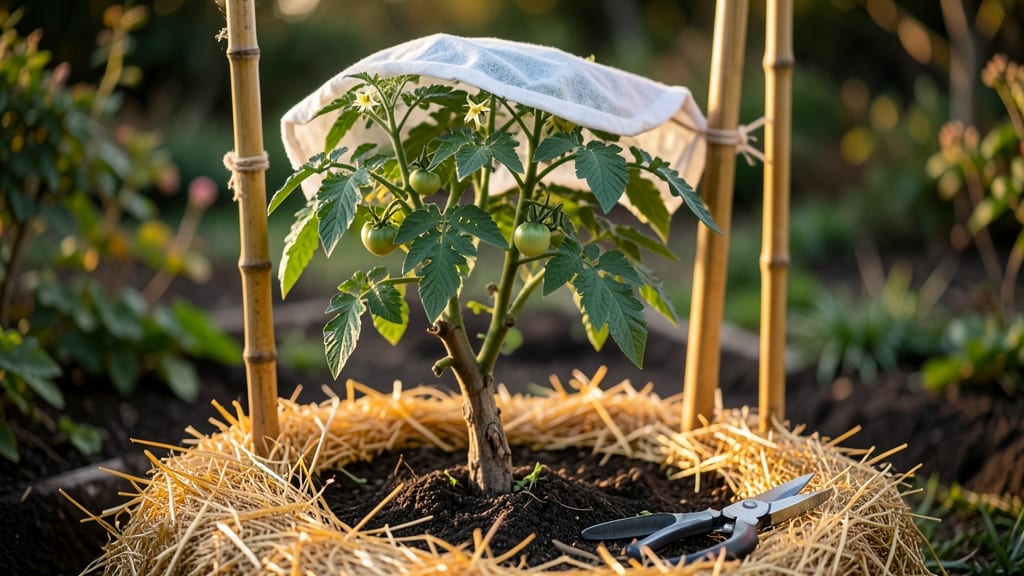
You can overwinter tomato plants with the right approach: relocate them indoors to a bright area, trim excess foliage, and maintain steady moisture and warmth. Supplemental grow lights are essential when natural light falls short to avoid stunted growth or plant death.
Overwintering tomato plants transforms what many see as a seasonal challenge into a rewarding strategy for year-round gardening. 🌱 The key lies in mimicking their natural dormancy cycle—reducing stress while preserving energy.
I’ve found that pruning back to the main stem and repotting in well-draining soil creates an ideal environment for survival. For those in colder climates, a basement with consistent temperatures (around 50-60°F) and humidity works best, while grow lights prevent the plants from entering premature dormancy.
This method isn’t just about saving plants—it’s about extending your harvest potential. Many gardeners who overwinter successfully report healthier plants and earlier blooms the following spring. The trade-off?
Vigilance against pests like spider mites and diseases such as powdery mildew, which thrive in indoor conditions. Regular inspections and proper airflow are non-negotiable for long-term success.
💡 In This Article
- How to Overwinter Tomato Plants Indoors
- Outdoor Overwintering Methods for Tomato Plants
How to overwinter tomato plants indoors
Overwintering tomato plants indoors requires recreating their ideal growing conditions while minimizing stress. The process begins with selecting healthy, disease-free plants—look for stems with 3-4 main branches and no signs of yellowing or wilting.
Prune back the foliage to half its size before moving indoors to reduce water loss and energy expenditure. This aggressive trimming forces the plant to focus its remaining energy on root and stem development rather than maintaining leaves.
Container selection is critical for success. Use pots with drainage holes and a diameter of atstrong>12-16 inches to accommodate root growth without becoming waterlogged. A well-draining potting mix (60% peat or coco coir, 20% perlite, 20% compost) prevents root rot while providing nutrients.
Place the container in a location receiving 6-8 hours of sunlight daily, supplementing with LED grow lights (12,000-15,000K color temperature) for 12-14 hours/day if natural light is insufficient. Without adequate light, plants enter dormancy prematurely and may die.
Temperature and humidity control are equally vital. Maintain indoor temperatures between 50-60°F—any warmer risks fungal growth, while colder temperatures can cause chilling injury. Use a humidifier or place a tray of water near the plant to maintain 50-60% humidity, as dry air accelerates moisture loss.
Water only when the top 1-2 inches of soil feel dry, reducing to every 7-10 days in winter when growth slows. Overwatering in low-light conditions suffocates roots and promotes rot.
Pest and disease prevention demands constant vigilance. Spider mites and aphids thrive in indoor environments, so inspect leaves weekly for webbing or tiny insects. Treat infestations immediately with neem oil or insecticidal soap.
Fungal diseases like powdery mildew appear as white, powdery patches on leaves—remove affected foliage and improve air circulation with a small fan (3-5 mph airflow) to prevent recurrence. Regularly wipe leaves with a damp cloth to remove dust, which blocks light absorption.
Dormancy management is the final piece of the puzzle. As daylight shortens in winter, reduce watering further and avoid fertilizing—this mimics natural conditions and conserves energy. Some gardeners even place plants in a cool, dark room for 4-6 weeks to induce dormancy, then resume care in early spring.
This reset often yields stronger, more productive plants the following season.
What most people overlook is the importance of gradual reacclimation in spring. Before moving plants outdoors, harden them off by placing them in a sheltered, shaded spot for 1-2 hours/day, increasing exposure over 10-14 days.
Sudden temperature or light changes shock the plant, reversing all your overwintering efforts. 🌿